Nintendo’s Zelda 40th Anniversary Edition Switch 2 Looks Stunning, but Repairs May Come With a Catch
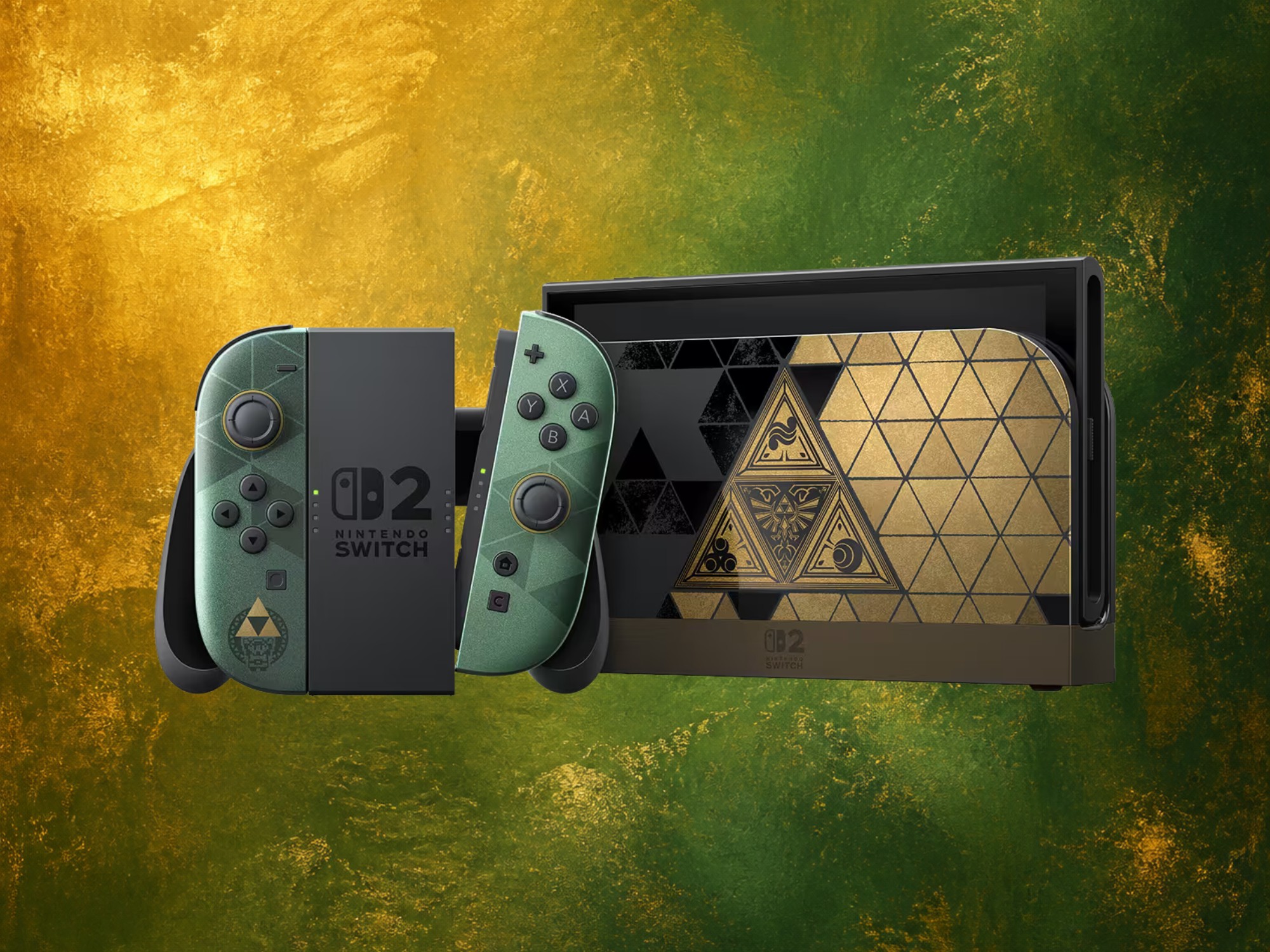
The Zelda 40th Anniversary Edition Switch 2 is one of the most eye-catching versions of Nintendo’s new console so far, pairing the handheld with green-and-gold Joy-Con 2 controllers, a themed dock, and matching anniversary-style accessories. For collectors and longtime Zelda fans, it is exactly the kind of limited-edition hardware that feels worth keeping in pristine condition.
However, there is an important detail buyers may want to keep in mind: if something breaks in the future, Nintendo may not always be able to replace the damaged parts with identical Zelda-themed components.
According to a warning included with Japanese packaging for the Zelda Switch 2 console and its themed Pro Controller, these products are described as limited-edition items with special specifications. The notice explains that if repair service is needed, Nintendo may use components from standard color models instead of the original limited-edition parts.
In simple terms, your anniversary console could return from repair with a part that works perfectly but does not fully match the original design.
That warning has caught attention because the Zelda 40th Anniversary Edition Switch 2 is all about its appearance. The console, dock, Joy-Con 2 controllers, and Pro Controller feature a distinctive color scheme and commemorative styling that separate them from the standard Switch 2 lineup. For regular players, a mismatched replacement part may not be a major issue. For collectors, it could be a disappointment.
The Joy-Con 2 controllers may be the biggest concern. The bundled green-and-gold controllers are among the most distinctive parts of the package, but Nintendo does not currently sell this special version separately. If one of the controllers is damaged beyond repair, owners may eventually have to accept a standard-color replacement if matching parts are no longer available.
The good news is that widespread stick drift has not appeared to be as severe as it was with the original Switch generation. Still, controllers are among the most heavily used parts of any gaming system. They are dropped, worn down, packed into bags, and exposed to everyday wear more than components like the screen or internal battery. That makes long-term availability of matching Joy-Con 2 parts especially important for anyone buying this console as a collectible.
The themed Pro Controller and black-and-gold dock could face the same issue. Both accessories have custom visual elements tied to the Zelda anniversary design, which means replacement shells or exterior parts may become harder to source once Nintendo stops producing the limited-edition hardware.
Not every component is affected in the same way. Internal parts such as the display, cooling fan, and battery are expected to be shared with other Switch 2 models. That should make basic repairs more straightforward, since those components are not exclusive to the Zelda edition. The bigger risk is cosmetic: if a unique outer shell, controller casing, dock housing, or themed accessory part is no longer available, the repaired item may lose some of its original collector appeal.
There is also a separate repairability detail for European buyers. The revised standard Switch 2 model in the region reportedly includes a battery that is easier to replace, helping it comply with right-to-repair requirements. Nintendo previously indicated that the limited-edition Zelda Switch 2 would not include that same benefit. However, some retailer listings have suggested an updated version may exist, creating some confusion over which model buyers are actually receiving.
For now, the biggest unknown is how long Nintendo will continue manufacturing the Zelda 40th Anniversary Edition Switch 2 and its accessories. Limited-edition Nintendo hardware can sometimes remain available longer than expected, especially if restocks continue after launch. The Tears of the Kingdom-themed Switch OLED, for example, remained available through multiple restocks after its debut. If the Zelda Switch 2 follows a similar pattern, Nintendo may have more time to build up a supply of replacement parts.
Even so, limited-edition consoles always come with a trade-off. They look more special than standard models, but that uniqueness can make repairs more complicated years later. Anyone buying the Zelda 40th Anniversary Edition Switch 2 should treat it with extra care, especially the Joy-Con 2 controllers, dock, and Pro Controller.
For players who simply want to enjoy the newest Nintendo hardware, this warning may not be a dealbreaker. But for collectors hoping to preserve the console in its original form, it is worth knowing that future repairs may not always keep the Zelda anniversary design completely intact.