Mitsubishi Materials is preparing for a major production boost as the rapid growth of generative AI fuels demand for faster, more reliable data transmission technology.
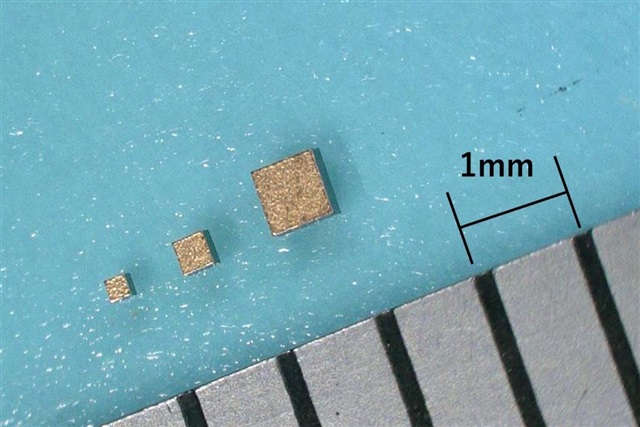
The company plans to significantly expand its output of thermistors, a type of temperature sensor widely used in optical communications equipment. These components play an important role in optical transceivers, which help move large volumes of data across networks. As AI data centers continue to grow and require higher-speed connections, demand for these parts is rising quickly.
To meet this expanding market, Mitsubishi Materials will add more production equipment at its facility in Thailand. The expansion will take place gradually, with the company aiming to increase monthly thermistor production capacity to around 12 million units by November 2027.
That target represents a major jump from 2025 levels, increasing capacity by roughly six times. The move highlights how the generative AI boom is reshaping supply chains far beyond chips and servers, driving stronger demand for critical components used in high-speed optical communication systems.
Optical transceivers are becoming increasingly important as data centers handle heavier workloads from AI training, cloud services, and advanced computing applications. Thermistors help regulate and monitor temperatures inside these devices, supporting stable performance and reliability.
By scaling up production in Thailand, Mitsubishi Materials is positioning itself to better serve manufacturers of optical communications equipment and capture growth in the AI infrastructure market. The expansion reflects a broader trend across the technology sector, where companies are investing heavily to support the next generation of high-speed networks and AI-driven computing.


