Imagine you’re casually chatting with friends on Facebook Messenger or WhatsApp, and suddenly, an unexpected message pops up. It’s from an AI chatbot with a passion for films.
“I hope you’re having a harmonious day!” it greets. “Have you discovered any new favorite soundtracks or composers lately? Or maybe you’re looking for movie night recommendations? Let me know, and I’d be thrilled to help!”
Meet “The Maestro of Movie Magic,” a persona crafted by AI company Alignerr. Meta is teaming up with Alignerr to develop customizable chatbots that proactively engage users, even remembering past conversations, as shared in leaked documents obtained by a leading business publication.
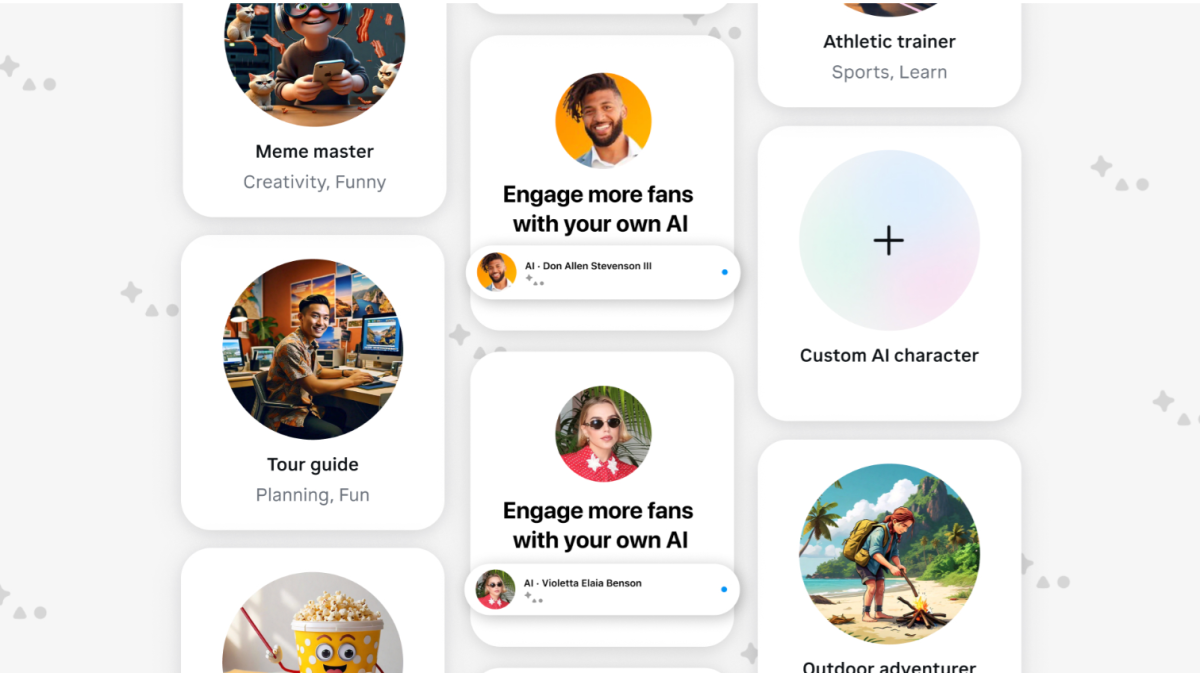
Meta has been testing a feature that allows these AI chatbots to send follow-up messages on platforms like Messenger, WhatsApp, and Instagram. These bots reconnect with users within 14 days after initial contact, provided the user has had at least five exchanges with the chatbot. If there’s no response to the first follow-up, the chatbots gracefully bow out. You can keep your AI companion private or share it through stories and direct links on your profiles.
A spokesperson for Meta noted that this initiative enables users to explore subjects of interest and engage in more meaningful interactions across their apps.
The technology is reminiscent of offerings from AI startups like Character.AI and Replika, which also provide AI companions capable of sparking conversations. Interestingly, Character.AI’s new CEO, formerly Meta’s VP of business products, exemplifies how interconnected these tech spaces are.
However, alongside engagement comes potential risks. Character.AI is presently facing legal challenges related to one of its bots being implicated in a tragic incident involving a young user.
Meta addresses these safety concerns with clear disclaimers, highlighting that AI responses might be inaccurate and should not substitute professional advice. They’re not licensed professionals and shouldn’t be relied upon for critical decisions.
Currently, there doesn’t appear to be a company-imposed age restriction for engaging with these AI chatbots, although some regional laws do limit teen interactions.
While enhancing social connections aligns with efforts to tackle loneliness, Meta’s primary business remains anchored in advertising revenue. The company anticipates its AI endeavors will generate significant income, with predictions soaring to billions by 2035, partly through revenue-sharing with hosts of its Llama AI models. There’s speculation about future integrations featuring ads or subscription services.
Meta remains tight-lipped about its commercialization strategy for AI chatbots or potential integrations with its virtual reality experiences.
For those with insights or confidential information on the unfolding AI industry dynamics and Meta’s role, secure communication channels are available to share tips responsibly.