Global automakers and their suppliers may be treading carefully, but a handful of Taiwanese chip designers are spotting early signs that the automotive semiconductor slump could be bottoming out. While many top-tier automotive chip suppliers are taking a wait-and-see approach, companies in Taiwan hint at a quiet pickup in inquiries, design discussions, and long-cycle planning that typically precede real orders.
The mood shift isn’t a full-blown rebound—it’s more a glimmer than a surge—but in a market that has been sluggish, even a small uptick matters. Names like MediaTek and Realtek are often mentioned when talking about Taiwan’s push into vehicle electronics, and their positioning in connectivity, infotainment, and in-car compute gives them a foothold if demand continues to stabilize.
What’s behind the cautious optimism? After more than a year of inventory corrections and uneven vehicle demand, especially around electric models, the supply chain appears to be normalizing. Automakers and Tier-1 suppliers are resuming longer-term planning for model-year updates, which typically drives design-ins for infotainment systems, digital cockpits, connectivity modules, and domain controllers. Those design-ins can take quarters to convert into revenue, so the earliest signal is usually an increase in technical evaluations and requests for collaboration—exactly the kind of quiet activity now being reported.
The areas most likely to see incremental traction first are the ones where cost-to-performance and rapid integration matter. That points to platforms for:
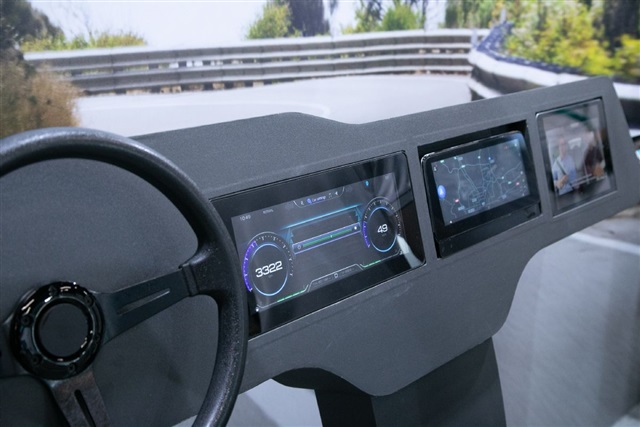
– Infotainment and digital cockpit systems that combine displays, multimedia, and app ecosystems
– Connectivity solutions such as Wi‑Fi, Bluetooth, and in-vehicle networking to support telematics and over-the-air updates
– Sensor hubs and surrounding compute for parking assistance, driver monitoring, and vision-based features
– Power management and energy-efficient components that help automakers meet tighter efficiency and thermal targets
Taiwanese chip designers have natural advantages in these segments. Their strength in highly integrated, cost-optimized silicon, combined with close ties to leading foundries, lets them iterate quickly and tailor solutions to diverse vehicle tiers—from entry-level models that need robust but affordable systems to premium trims that demand higher compute and multimedia capabilities. That agility is valuable in a market where automakers are balancing feature upgrades with strict cost control.
None of this removes the uncertainty hanging over the sector. Macroeconomic headwinds, interest rate trajectories, EV adoption rates, and regional regulatory changes still cloud visibility. Large, established automotive semiconductor suppliers are right to be cautious; qualification cycles are long, and automakers are wary of overstocking after the recent whiplash. But if the current stabilization holds, 2025 and 2026 program ramps could benefit vendors that have been steadily investing in automotive-grade roadmaps during the downturn.
For buyers and partners trying to read the next move, a few signals will be telling:
– Order visibility and lead times improving across infotainment, connectivity, and in-vehicle compute
– Tier-1 inventory metrics returning to historic norms
– More frequent design-win announcements tied to upcoming model years
– Foundry utilization rates edging up for automotive-grade nodes
– Broader adoption of standardized software stacks that simplify hardware swaps
The takeaway is nuanced but encouraging. The global automotive semiconductor industry isn’t roaring back yet, and caution remains the baseline. Even so, Taiwanese designers—particularly those active in infotainment and connectivity—are seeing early green shoots. If those inquiries convert into firm design-ins and volume orders, today’s glimmers could set the stage for a sturdier recovery cycle. In a market defined by long development timelines and exacting reliability requirements, that kind of slow, steady momentum is often how real growth begins.