Marvell’s proposed all-stock acquisition of Lumentum is drawing attention across the optical networking industry, not only because of the changing value of the takeover premium, but because of a bigger strategic question: will optical module makers continue relying on Marvell’s leading optical digital signal processor business, or will they start moving orders elsewhere?
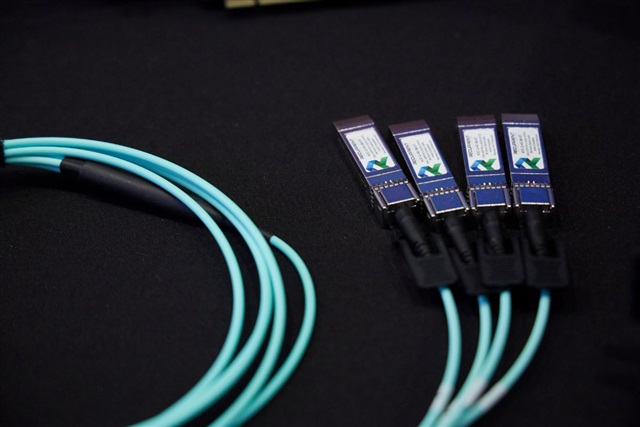
The deal could reshape an important part of the high-speed connectivity market. Optical DSPs are critical components used in optical modules, helping convert and manage data signals as they move through modern networks. As demand for faster data transmission grows across cloud infrastructure, artificial intelligence systems, telecom networks, and data centers, control over optical DSP technology has become increasingly valuable.
Marvell already holds a powerful position in optical DSPs. That dominance is one reason the Lumentum acquisition is being watched so closely. If the deal moves forward, customers may take a fresh look at their supplier strategies. Optical module manufacturers often prefer to avoid becoming too dependent on one major provider, especially when that provider is also expanding its influence across related parts of the supply chain.
This is where the risk comes in for Marvell. Even if the acquisition makes strategic sense on paper, it could encourage some customers to diversify. Rivals in the optical DSP market may see an opportunity to win business from module makers that want alternative sources, better pricing leverage, or more supply-chain flexibility.
The shrinking takeover premium adds another layer of pressure. In an all-stock deal, the value can shift depending on the movement of the buyer’s share price. If investors begin questioning the benefits of the acquisition or worry about customer pushback, that can affect confidence in the transaction.
Still, the logic behind the deal is clear. Lumentum brings expertise in optical and photonic technologies, areas that are becoming more important as networks must handle larger volumes of data at higher speeds. Combining Marvell’s chip capabilities with Lumentum’s optical technology could create a stronger platform for next-generation connectivity products.
The challenge is execution. Marvell must convince customers that the acquisition will improve product development, supply reliability, and long-term innovation without limiting customer choice. Optical module makers will likely be watching closely for signs of pricing changes, roadmap shifts, or any disruption in support.
For competitors, the uncertainty could create a valuable opening. If module makers decide to reduce their exposure to Marvell, alternative optical DSP suppliers could gain traction. Even a modest shift in orders could matter in a market where design wins often influence revenue for years.
The outcome of the Marvell and Lumentum deal may ultimately depend on more than shareholder approval or transaction value. The real test will be whether customers remain confident in Marvell’s role as a key optical DSP supplier after the acquisition.
As the optical networking market continues to expand, especially with rising demand for faster and more efficient data movement, supplier trust will be just as important as technology leadership. Marvell has the scale and expertise to strengthen its position, but the company will need to manage customer concerns carefully if it wants the Lumentum acquisition to become a long-term advantage rather than an opening for its rivals.