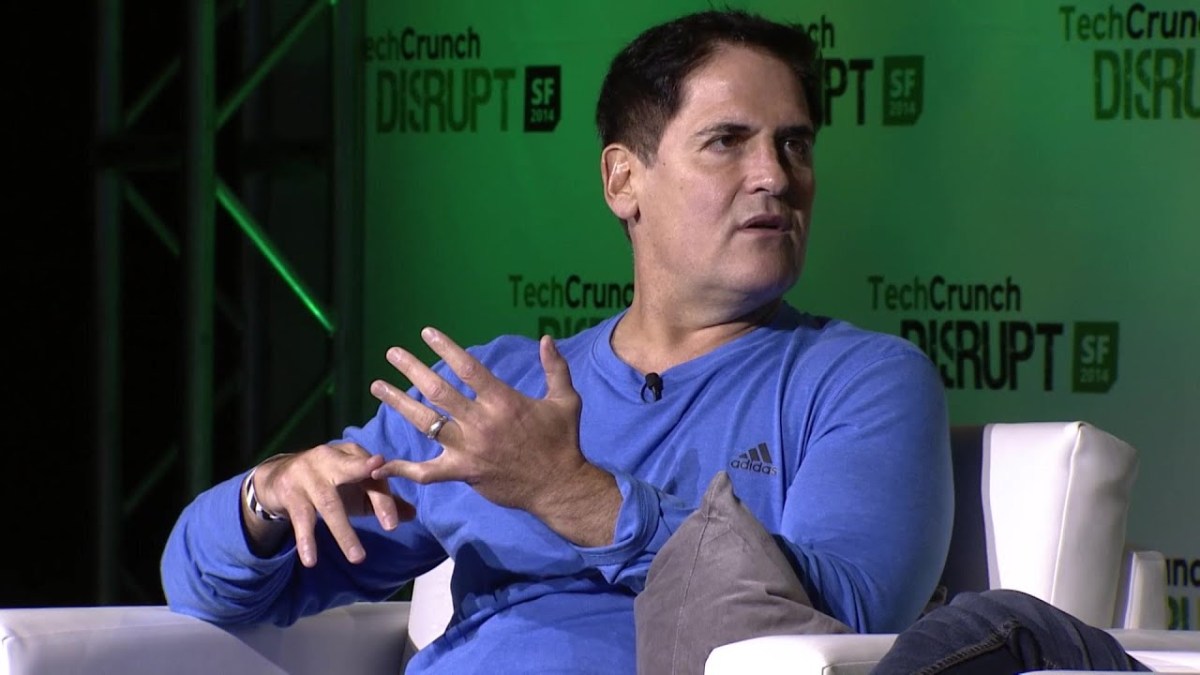
Mark Cuban, the renowned entrepreneur and investor, has his sights set on a revolutionary TikTok alternative. Sharing his vision in a recent TikTok video, Cuban revealed his willingness to fund a new app built on the cutting-edge Bluesky AT Protocol. With the impending U.S. TikTok ban possibly taking effect this Sunday—unless halted by the Supreme Court—users are exploring other video-sharing platforms. But Cuban envisions something beyond quick fixes, eyeing the potential for an entirely new wave of apps harnessing the technology behind Bluesky’s social network.
The AT Protocol is making waves as an innovative, open protocol specifically crafted for decentralized social media applications. It emerged to tackle perceived limitations of current protocols like ActivityPub, widely used by platforms such as Mastodon. While Bluesky serves as the flagship app demonstrating the AT Protocol’s capabilities, a range of new services is actively being developed using this versatile technology.
Interest in open social apps is skyrocketing. Bluesky itself has seen explosive growth following the U.S. presidential elections, soaring from over 10 million users in September to a staggering 27.6 million and counting. Adding to the excitement, a forthcoming Bluesky client called Flashes was recently announced, promising a unique focus on images rather than text.
Cuban is eager to back a project that rivals TikTok but thrives on the AT Protocol. In his video, he elaborates on how the ATProto ecosystem empowers individuals to create their own social networking servers and apps. Cuban extends an invitation to innovators capable of developing a TikTok replacement using the AT Protocol: “If you’ve got the ability, let me know in the comments, and if you create a minimum viable product, that’s even better because you’d likely gain substantial support.”
He highlights the protocol’s extensibility, noting that it ensures no single entity can control or shut down any platform built on it. This feature allows users to move their accounts across servers without losing followers, content, or data—a significant boon for user independence.
Cuban’s interest isn’t merely about expanding the open social web; it’s also a strategic move to encourage competition with Elon Musk’s ventures. Cuban has been vocal in his critique of Musk’s approach to content moderation and other key issues.
Aspiring developers excited by this prospect are encouraged to engage with Cuban directly in the comments of his TikTok post, potentially shaping the future of social networking with their innovative ideas.