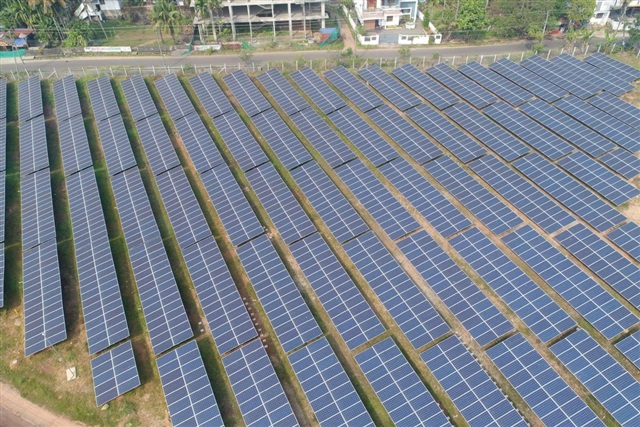
Malaysia’s Renewable Energy Market Set for Strong Growth in 2026 as Solar Firms Move Fast on Supply
Malaysia’s renewable energy sector is heading into 2026 with strong momentum, supported by rapid data center development, growing solar power adoption, and rising demand for energy storage solutions. However, changes in China’s export tax policy are prompting Malaysian solar and battery companies to rethink their purchasing strategies and secure inventory before costs climb further.
The country’s clean energy market has been gaining attention as businesses, property owners, and industrial players look for more affordable and sustainable power options. Solar energy remains one of the most attractive choices, especially as electricity demand continues to rise across commercial and industrial sectors.
One major driver is the expansion of data centers in Malaysia. As more digital infrastructure projects are built, energy consumption is expected to increase significantly. This is creating fresh demand for reliable renewable energy systems, including rooftop solar panels, large-scale solar installations, and battery energy storage systems that can help stabilize power supply.
At the same time, Malaysian solar companies are closely watching policy changes in China, one of the world’s largest suppliers of solar components and energy storage products. The expected end of important export tax rebates in China is already influencing procurement decisions. Many local firms are reportedly rushing to purchase solar panels, batteries, inverters, and related equipment before prices rise.
For Malaysian renewable energy companies, the timing is critical. Higher component costs could affect project pricing, profit margins, and installation schedules. By securing stock earlier, solar and storage providers hope to protect themselves from price volatility and ensure they can continue meeting customer demand throughout 2026.
The shift also highlights how closely Malaysia’s clean energy supply chain is connected to global manufacturing trends. Even as local demand grows, changes in overseas policies can quickly affect equipment costs and market planning. This is especially important for solar developers, installers, and energy storage firms that depend on imported components for large projects.
Despite these cost pressures, the long-term outlook for Malaysia’s renewable energy market remains positive. Government energy transition goals, corporate sustainability commitments, and rising electricity needs are expected to keep solar adoption on an upward path. Battery storage is also likely to become more important as businesses seek backup power, better energy management, and improved grid reliability.
In 2026, Malaysia’s solar industry may see both opportunity and pressure. Demand is rising, but companies will need to manage supply risks carefully. Firms that can secure inventory, control costs, and deliver reliable renewable energy solutions may be best positioned to benefit from the next phase of market growth.
As Malaysia continues moving toward a cleaner energy future, solar power and energy storage are set to play a bigger role in supporting economic growth, digital infrastructure, and long-term energy security.