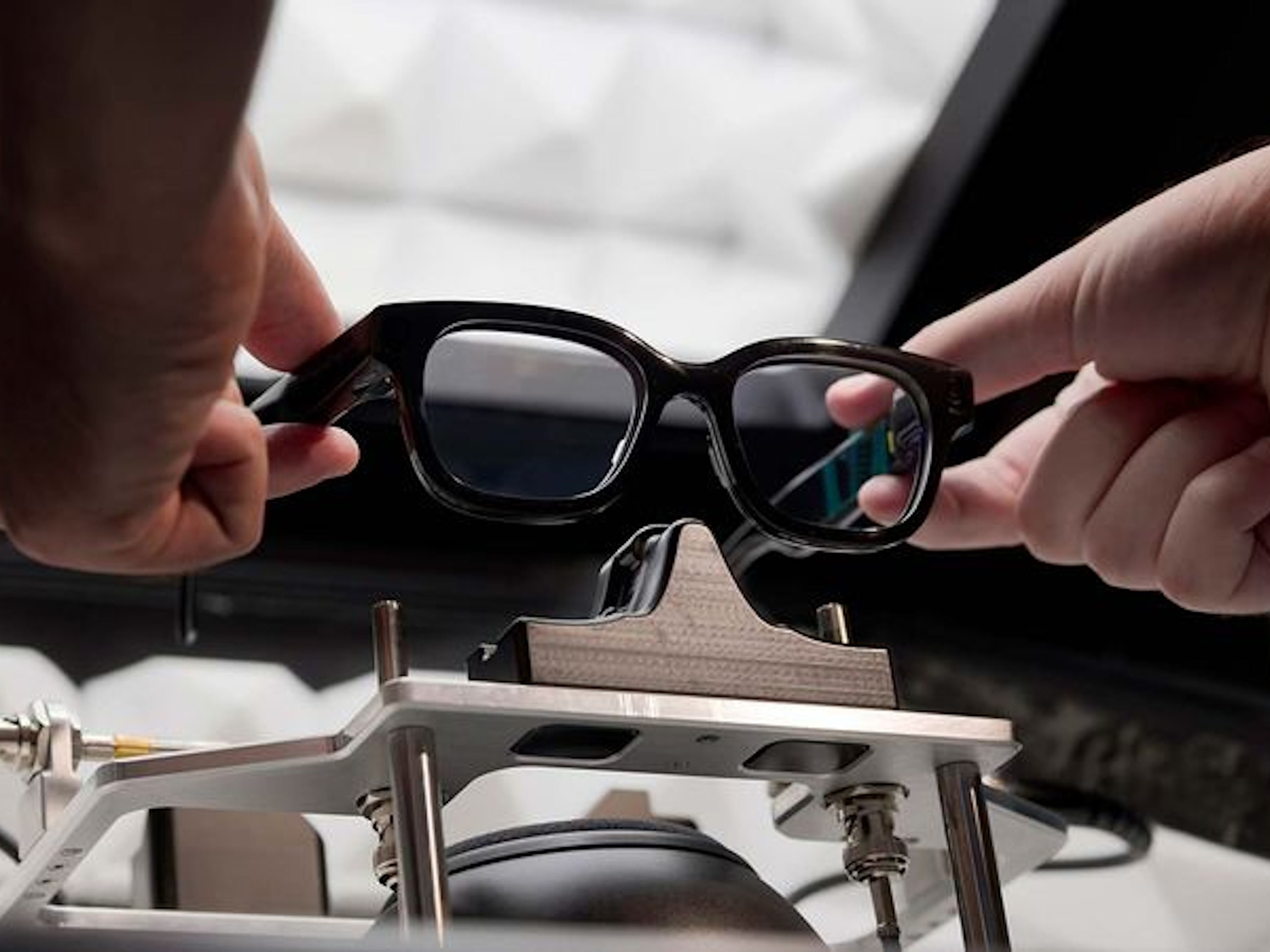
Google and Magic Leap are teaming up to shape the next generation of augmented reality glasses, unveiling a prototype that serves as a reference design for Android XR. The goal is clear: provide a blueprint that other manufacturers can build on, speeding up development of lightweight, capable AR wearables that blend digital content seamlessly into the real world.
The prototype highlights a division of strengths. Google contributes its Raxium microLED display technology, known for high brightness and efficiency in a compact form—crucial for clear visuals outdoors and longer battery life. Magic Leap supplies the optical system and waveguide, directing imagery into the wearer’s field of view with precision while keeping the glasses slim and wearable.
This isn’t a consumer product—at least not in its current form. As a reference design, it’s meant to standardize the foundation for Android XR devices. Hardware partners can customize features, refine ergonomics, and differentiate designs without rebuilding the core architecture from scratch, much like how Android standardized smartphones while enabling diverse hardware.
AI is central to the experience. A demonstration shows the system working with Gemini for context-aware assistance. Users can ask on-the-spot questions and get visual analysis in real time—think identifying architectural styles, interpreting what’s in view, or even recommending the right golf club based on course context. It’s a glimpse of hands-free computing where information appears exactly when and where it’s needed.
Why this matters goes beyond one device. Combining microLED displays, advanced waveguide optics, and Android XR with multimodal AI sets the stage for practical, all-day AR glasses. Expected use cases range from everyday navigation and travel tips to professional scenarios like field service, design visualization, healthcare support, and training.
What to watch next: developers and hardware makers can now iterate on this platform, potentially leading to a wave of AR glasses that are brighter, more power-efficient, and smarter out of the box. While timelines and product names remain under wraps, the message is unmistakable—Google and Magic Leap are laying the groundwork for a broader AR ecosystem, with Android XR as the common language for future AR hardware.