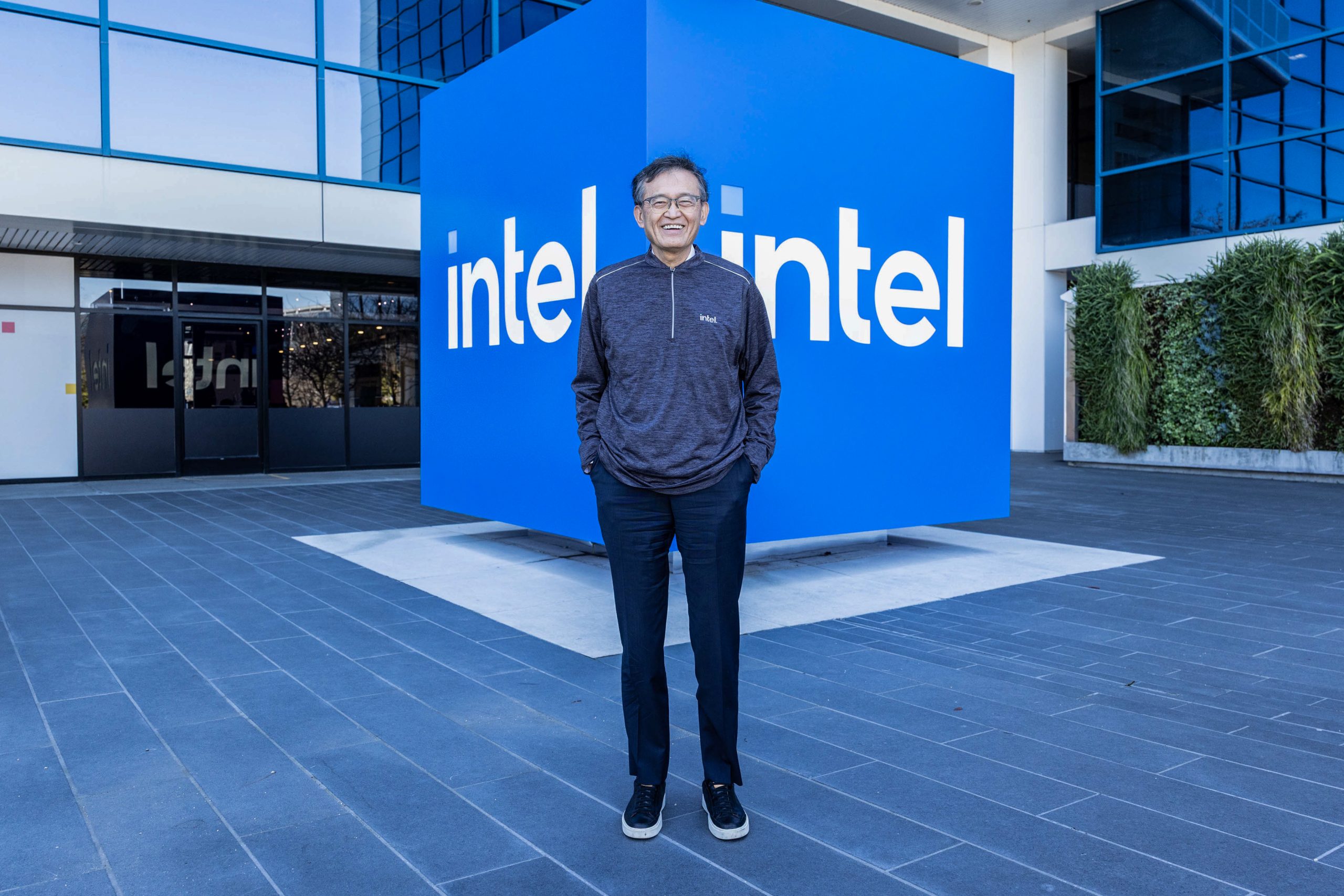
Intel has recently witnessed a shift at the top, welcoming Lip-Bu Tan as its new CEO. This development could signal a transformative era for the tech giant, though the journey back to its former glory is expected to encounter some challenges.
Lip-Bu Tan is no stranger to leading successful ventures. With a proven track record as CEO of Cadence Design Systems from 2009 to 2021, where he impressively doubled the company’s revenue, he brings a refreshingly optimistic outlook to Intel. The optimism is much needed after his predecessor, Pat Gelsinger, faced a tough period marked by declining business segments and missed opportunities in the burgeoning AI sector — areas where Intel’s competitors such as AMD and NVIDIA have surged ahead.
On his first day at Intel’s Santa Clara headquarters, Tan expressed his excitement about embarking on this new chapter and working closely with employees to propel Intel into its next era. His extensive experience and deep understanding of global markets, especially China, set the stage for Intel to penetrate one of the most lucrative AI markets in the world.
In his introductory company letter, Lip-Bu Tan made it crystal clear that the company’s Intel Foundry Services (IFS) would remain integral to Intel’s strategic plans, dispelling any rumors of it spinning off. He portrayed his leadership phase as a pivotal moment for Intel, emphasizing aspirations for the IFS to dominate the semiconductor industry. At a time when Intel is intensely focused on their advanced 18A chip manufacturing process, this vision aims to enhance the company’s competitiveness, particularly against manufacturing giant TSMC.
However, the path to renewal won’t be without its hardships. Lip-Bu Tan is reportedly considering a significant restructuring initiative that might involve tough decisions like large-scale layoffs, although nothing has been confirmed yet. One aspect of Tan’s strategy could include outsourcing semiconductor orders to TSMC, especially if IFS underperforms, leveraging his past relationship with the Taiwanese powerhouse. Despite this, he has stressed the importance of improving Intel’s internal foundry capabilities.
While it remains uncertain whether this era will be one of resurgence or further decline for Intel, the company’s new direction under Lip-Bu Tan is poised to address past shortcomings. The hopes pinned on his leadership reflect a desire for no-nonsense strategies and results—ensuring that neither the board of directors nor Team Blue can justify underperformance anymore. Only time will tell if this leadership shift heralds a revitalized Intel.


