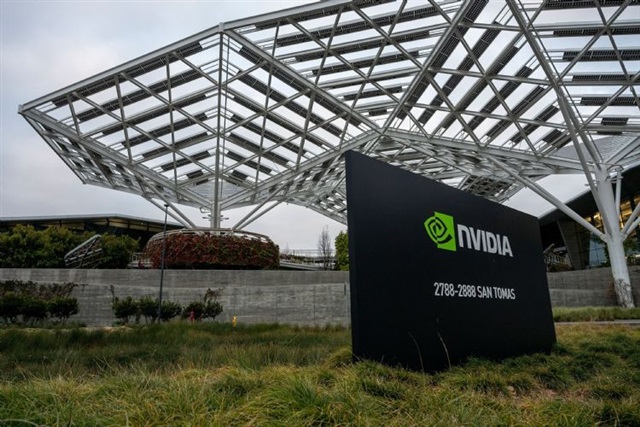
Nvidia will face a jury this November in California over claims it benefited from trade secrets taken from French auto supplier Valeo. A federal judge refused to dismiss the case, finding there is enough circumstantial evidence for a trial to proceed, including assertions that Nvidia’s parking assistance technology advanced using confidential information.
The dispute centers on alleged misuse of proprietary know-how tied to parking assistance systems, a key component of modern advanced driver-assistance systems. While Nvidia denies wrongdoing, the ruling means a jury will weigh whether its technology development improperly drew on Valeo’s trade secrets.
Key points:
– Trial set for November in federal court in California
– Judge rejected Nvidia’s bid to throw out the lawsuit
– Claims involve parking assistance technology and alleged use of confidential data
– Case highlights growing IP battles in automotive and AI technology
Trade secret cases often hinge on whether information was confidential, whether reasonable steps were taken to protect it, and whether the accused party used it without authorization. The judge’s decision does not determine liability but signals that the evidence presented so far merits a full trial.
Why it matters: Nvidia is a major player in AI and automotive computing, and Valeo is a prominent supplier to global carmakers. The outcome could influence how tech and automotive companies share information, vet partnerships, and protect proprietary software and algorithms in a rapidly evolving driver-assistance market.
What’s next: With the motion to dismiss denied, both sides are expected to move into final pretrial preparations, including evidence disclosures and witness lists, ahead of the November trial. If Valeo prevails, potential remedies could include damages or restrictions on the use of disputed technology; if Nvidia prevails, it would remove a significant legal cloud over its automotive efforts.
This case underscores the high stakes of intellectual property in autonomous and assisted driving, where small software advantages can translate into major competitive gains. As the trial approaches, the industry will be watching for insights into how courts assess circumstantial evidence in complex AI-driven product development.


