Apple’s iPhone Air 2 could fix one major flaw, but a new downgrade rumor may worry buyers
Apple’s ultra-thin iPhone Air was expected to be a bold new direction for the iPhone lineup, but its slim design came with compromises that made it a difficult choice for many buyers. While the device stood out for its sleek profile, some users felt that the trade-offs in hardware made it harder to justify, especially at a premium price.
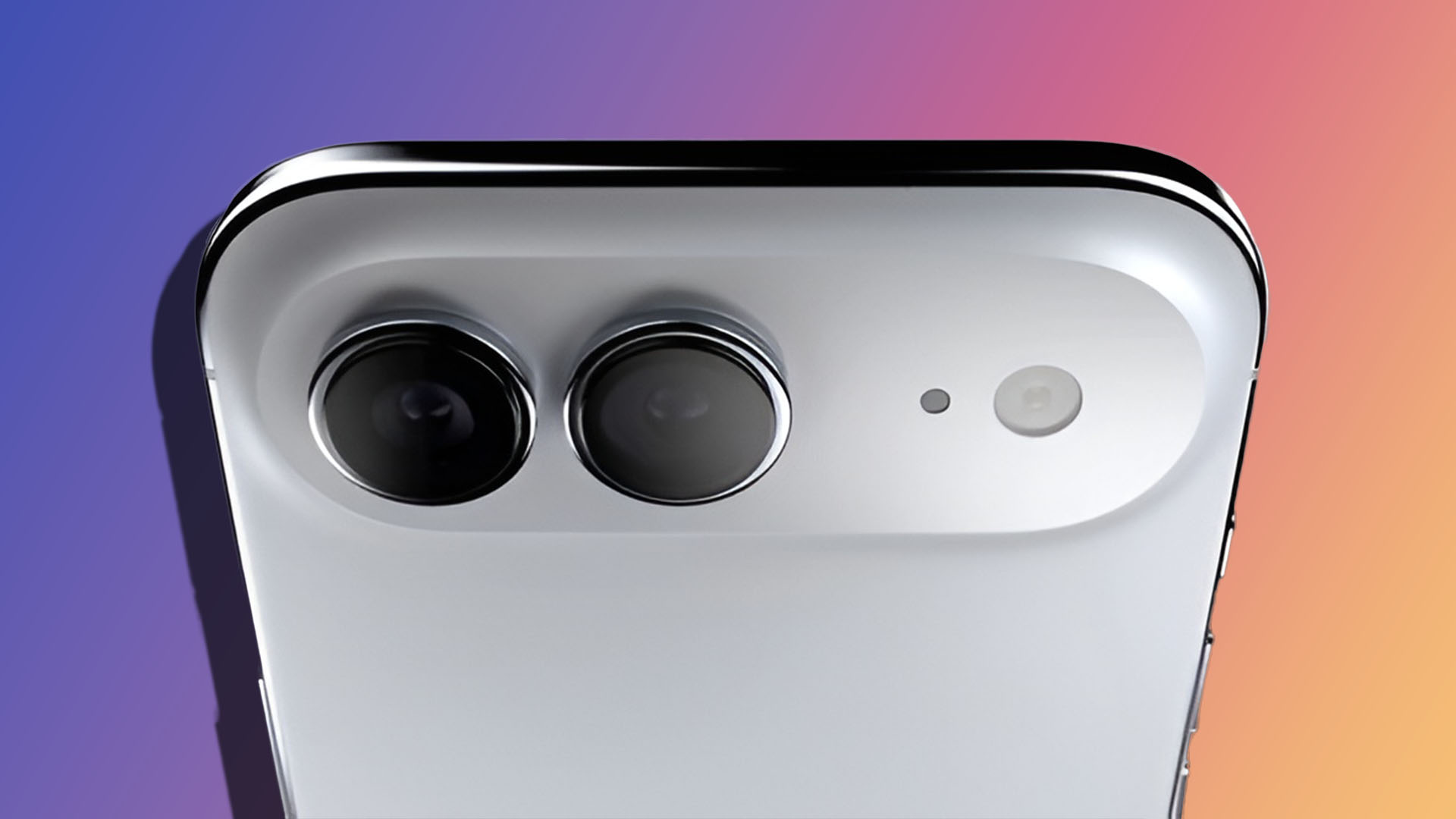
Now, a new rumor suggests Apple may try to address one of the biggest complaints with the next model, the iPhone Air 2. The upcoming device is said to feature a dual rear camera setup with two 48MP sensors. That would be a major improvement over the current model and could make the phone more appealing to users who want a thinner iPhone without giving up too much camera versatility.
However, the same rumor points to a possible downgrade that may be harder for customers to accept. Instead of using Apple’s higher-end A20 Pro chip, the iPhone Air 2 is reportedly expected to run on the standard A20 processor.
If accurate, this would mark a noticeable shift in Apple’s strategy. The original iPhone Air reportedly used a version of the A19 Pro chip, even if it was not the full top-tier configuration. With the iPhone Air 2, Apple may skip the Pro-class chip entirely and use the same processor expected in the base iPhone 18.
That decision could create a serious positioning problem for the iPhone Air 2. If both the iPhone 18 and iPhone Air 2 use the same A20 chip, and possibly similar memory configurations, buyers may wonder why they should pay more for the thinner model. The iPhone Air 2 may offer a slimmer design and an upgraded camera system, but performance may no longer be a major selling point over the standard iPhone.
The rumored move could be tied to rising component costs. Apple is expected to face higher expenses for memory, storage, and next-generation chip production. The A20 series is expected to be based on TSMC’s advanced 2nm manufacturing process, which is unlikely to be cheap. Using the regular A20 instead of the A20 Pro could help Apple control costs while still delivering strong everyday performance.
For most users, the standard A20 would likely still be extremely fast. Apple’s non-Pro chips usually handle apps, gaming, photography, and multitasking very well. But for a device positioned as a premium model, the absence of a Pro chip could hurt its image, especially among buyers who expect Apple’s more expensive iPhones to include the best available hardware.
This is where the iPhone Air 2 could run into trouble. The entire purpose of the Air lineup is to offer a thinner, more stylish iPhone. But the market has already shown that slim smartphones are not always enough to win over customers if battery life, cameras, thermals, or performance are compromised. A better camera system may help, but a weaker chip compared to the Pro models could make the device feel less compelling.
Apple may also be cautious with production. If the first iPhone Air did not generate strong demand, the company could choose to produce the iPhone Air 2 in smaller quantities to avoid excess inventory. That would suggest Apple is still testing whether there is enough long-term interest in an ultra-thin flagship iPhone.
The rumor also raises questions about the future of Apple’s broader iPhone lineup. If the iPhone Air category struggles to attract buyers, Apple could eventually reconsider its strategy and bring back larger non-Pro models, similar to the previous iPhone Plus variants. A bigger screen, better battery life, and lower price may appeal to more users than an ultra-slim design with hardware compromises.
For now, the iPhone Air 2 remains an unconfirmed product, and details could change before launch. Still, the latest rumor paints a mixed picture. A dual 48MP camera setup would be a welcome upgrade, but the use of a standard A20 chip may make the phone harder to recommend if its price remains significantly higher than the regular iPhone 18.
Apple’s challenge will be clear: the iPhone Air 2 needs to feel special enough to justify its place in the lineup. If it only offers a thinner body while sharing core performance with the standard model, buyers may decide that style alone is not worth the extra cost.


