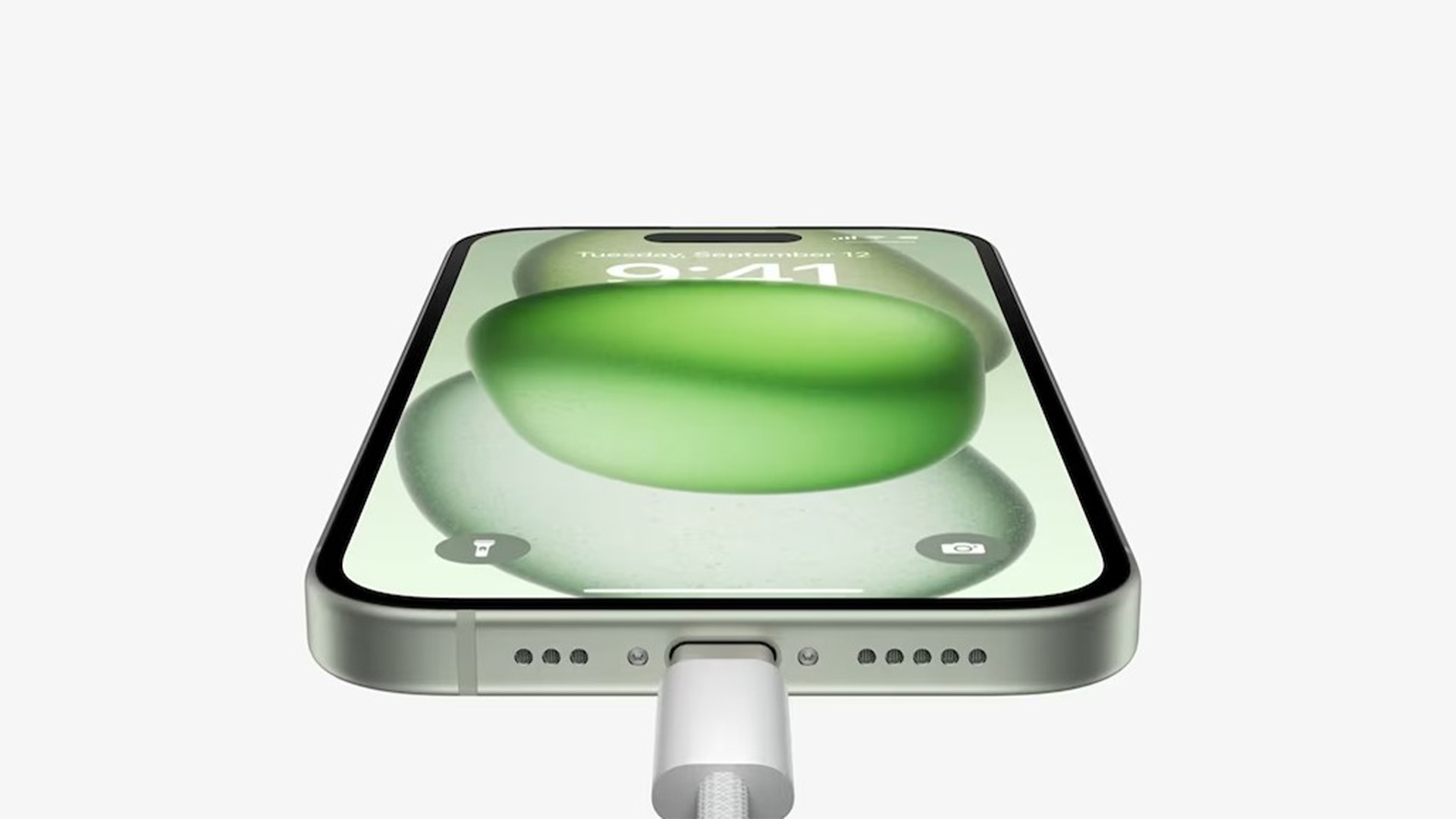
The iPhone lineup has traditionally lagged behind competitors when it comes to battery charging speeds. There’s been ongoing speculation about whether Apple deliberately limits charging speeds to extend battery longevity or if it’s simply slower in adopting the latest standards compared to its rivals. However, the upcoming iPhone 16 series seems poised to close this gap with potential support for 45W wired charging, as revealed by a recent certification leak.
Unlike the iPhone 15 series, which struggles to exceed 30W, the iPhone 16 is set to stand toe-to-toe with the likes of Samsung’s Galaxy S24 models. The China Quality Certification Centre has shared charging specifications for the iPhone 16 series, confirming that all models will support up to 45W charging via their USB-C ports. The tests, conducted within a 5-15 volts range supplying 3 amps of current, indicate significant improvements from previous generations.
To put things into perspective, current iPhone 15 users cannot achieve more than 29W of charging power, even with high-quality chargers. This upgrade means the iPhone 16 family can charge up to 50 percent faster compared to its predecessors. Early rumors had suggested that the iPhone 16 Pro and iPhone 16 Pro Max would cap at 40W with wired charging and 20W using a MagSafe wireless charger. The actual 45W support exceeds expectations.
Interestingly, Apple did not highlight this boost in charging power during the iPhone 16’s announcement. This omission could be due to how far behind the company has been in this area compared to its competitors. Regardless, the new 45W capability marks a significant leap forward for Apple. The key concern now is to observe whether this faster charging speed will have any negative impacts on battery health in the short term.
The leap to 45W wired charging is a welcome change for iPhone aficionados and signifies Apple’s efforts to catch up with industry standards. Keep an eye on how this development plays out and whether it will impact the overall user experience positively in the long run.


