Intel is making strides in the world of graphics technology with its upcoming Xe2 architecture, first showcased in the Lunar Lake APUs. Early leaks suggest that this innovative architecture offers outstanding performance, with the Arc 140V iGPU outperforming even AMD’s Radeon 890M inside the Ryzen AI 9 HX370 Strix Point APU.
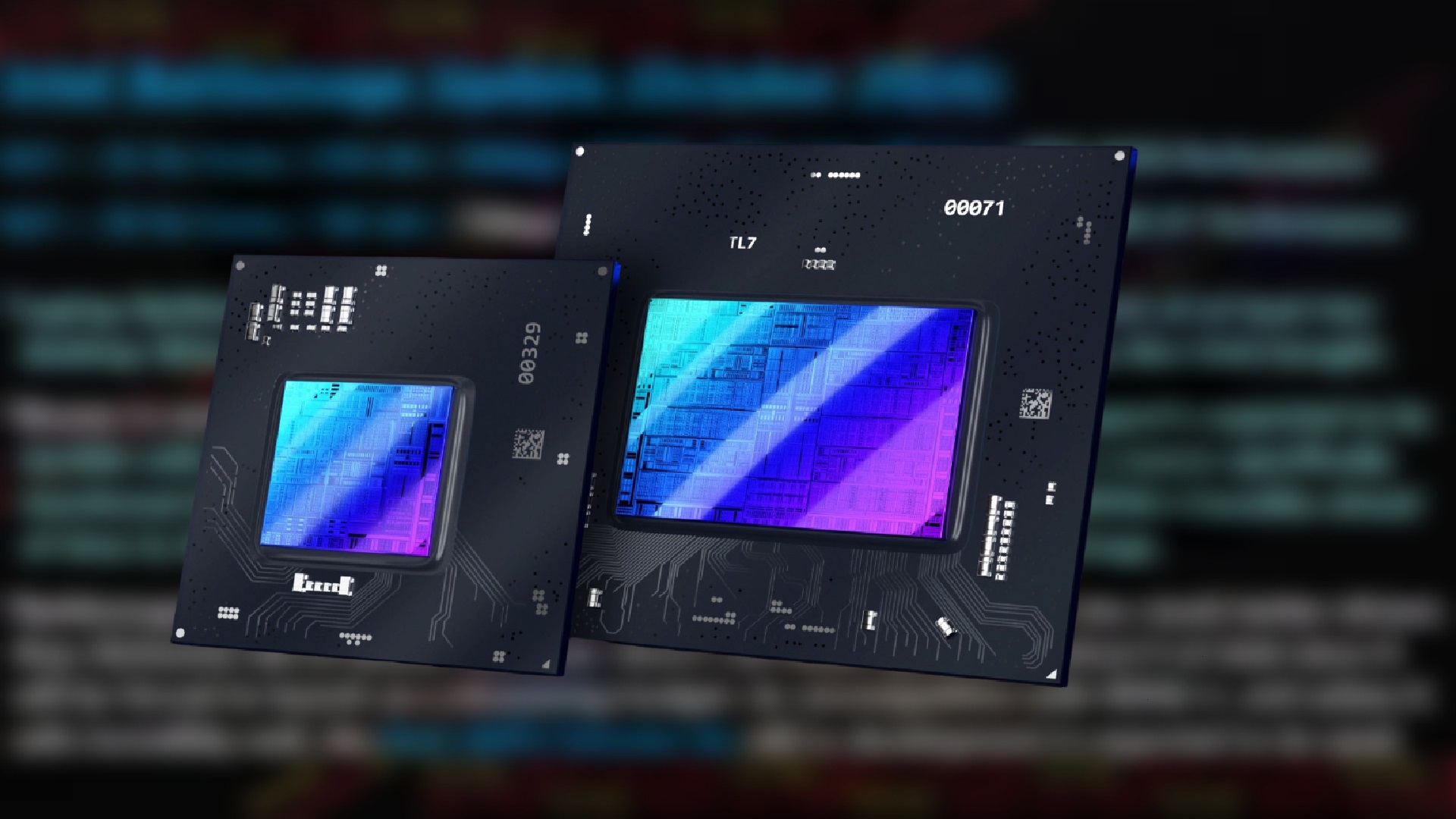
Exciting whispers from the tech world indicate that Intel is planning to introduce its Xe2 architecture to desktop platforms in the near future. Rumors suggest that within the next few months, we could see two distinct Battlemage GPUs: the mid-range BMG G31 and the entry-level BMG G21.
Early leaks have given us some intriguing details about these new GPUs. The BMG G31 is expected to boast 36 Xe cores, a 256-bit wide bus, and 20 Gbps GDDR6 memory. It will also support PCIe 5.0 and DisplayPort 2.1. While specifics about its memory capacity are still under wraps, there is speculation about a possible 16 GB buffer.
In contrast, the smaller BMG G21 may feature 20 Xe cores and a 192-bit bus while maintaining the same PCIe and DisplayPort support as its larger counterpart. Earlier leaks have hinted at a 12 GB VRAM size for this model.
When it comes to performance, Intel seems to have set its sights on the entry-level and mid-range markets. The BMG G31 is rumored to offer performance on par with the RTX 4070, while the BMG G21 is expected to compete closely with the RX 7600 XT. If these predictions hold true, the BMG G31 could see a performance boost of over 20% compared to its predecessor, the Arc A770.
However, there’s a cloud of uncertainty hanging over the Arc Battlemage GPUs. Reports suggest that confidence in these desktop GPUs is not particularly high among manufacturers, with few companies willing to take the plunge. One potential challenge comes from AMD, which is reportedly enticing partners with attractive Ryzen and RDNA 4 bundles to steer them away from Battlemage.
Intel itself seems cautious about the prospects of these GPUs. Despite anticipated driver improvements at launch, there are rumblings of skepticism within the company. Failure in this endeavor could potentially lead to the cancellation of future desktop GPU projects and even a possible exit from the market.
It’s important to remember that leaks and rumors are just that—speculations until proven otherwise. Intel’s past performance in the GPU space has had its ups and downs, but many are hopeful that Battlemage will rise to the occasion and offer fierce competition in the entry and mid-level segments. Only time will reveal the true potential of these new contenders in the graphics arena.