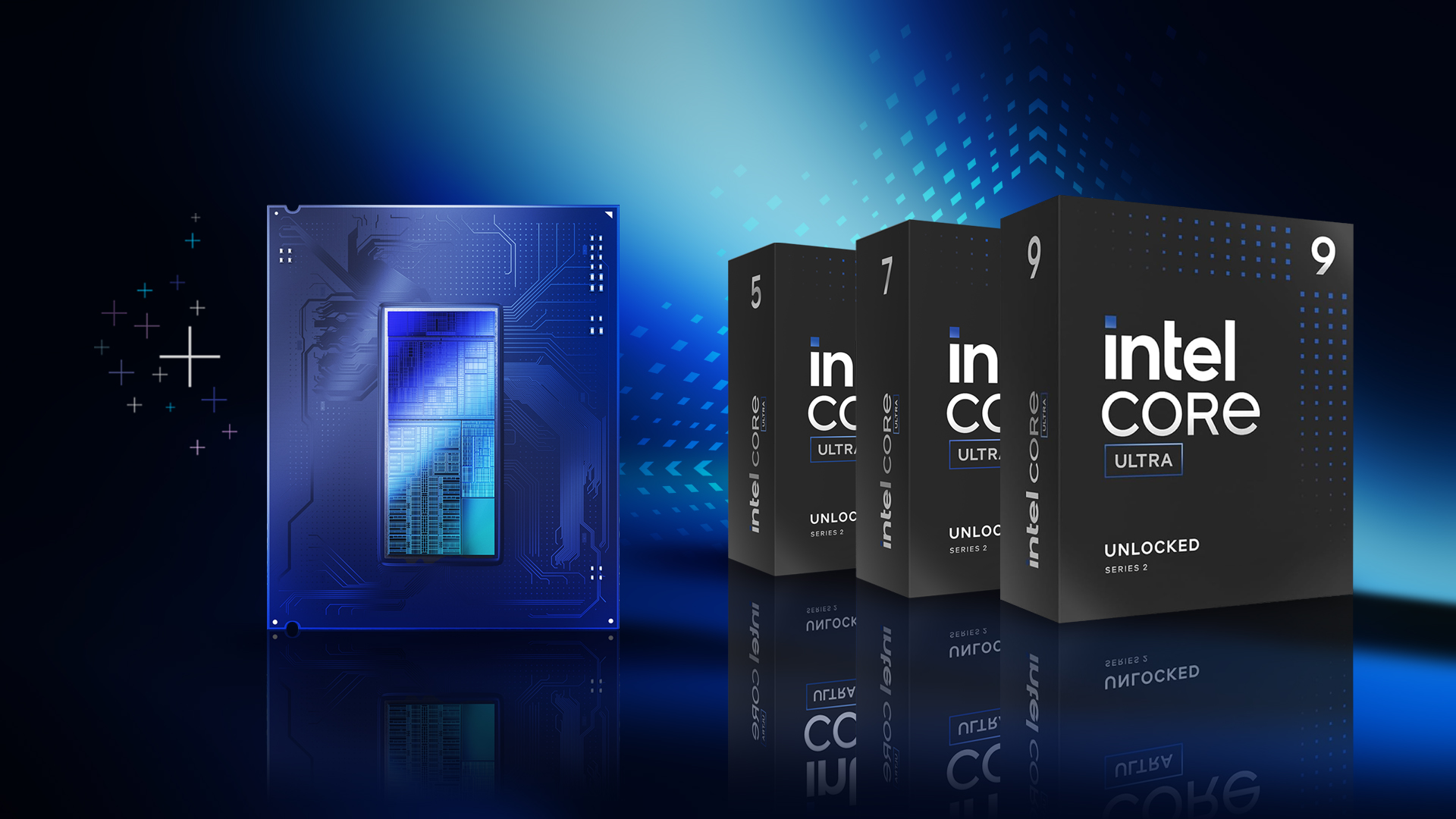
Intel has recently launched a unique overclocking feature exclusively for the Core Ultra 200S (K processors) lineup, designed to push the limits of performance directly from the BIOS. This innovative addition, dubbed the “200S Boost,” is crafted specifically to help gamers unlock extra performance from their Core Ultra 200S SKUs without the risk of voiding their warranty.
For owners of these potent processors, particularly the K-SKUs, this feature is an exciting opportunity to enhance gaming prowess. The 200S Boost profile works by optimizing crucial elements like fabric, die-to-die, and system memory frequencies. According to Intel’s specifications, this profile allows you to increase the fabric clock from 2.6 GHz up to a remarkable 3.2 GHz, and the die-to-die clock from 2.1 GHz to 3.2 GHz. These clock upliftments promise to deliver a noticeable performance boost, particularly in gaming scenarios.
Intel also suggests configuring your memory with a 1DPC (1 DIMM per Channel) setup, enabling RAM overclocking up to 8000 MT/s through the 200S Boost. Such optimizations are projected to improve performance in low-latency applications and gaming. Despite initial struggles with the Arrow Lake CPUs, particularly the Core Ultra 200S desktop processors, Intel’s new feature aims to bridge the performance gap with AMD’s more dominant Ryzen 9000 CPUs, especially the X3D series.
While it’s not expected to revolutionize performance, even a subtle boost could help these CPUs compete more effectively with Intel’s own higher-end 14th gen processors or get closer to the performance of non-X3D Ryzen 9000 CPUs.
Currently, the 200S Boost is available on select Z890 motherboards, with plans for broader compatibility as manufacturers update their BIOS versions to include this feature. However, users should keep in mind that the motherboard design, memory configuration, BIOS optimizations, and accompanying components significantly impact the potential performance gains.
The 200S Boost is specifically tailored for a limited selection of processors: Core Ultra 9 285K, Core Ultra 7 265K/KF, and Core Ultra 5 245K/KF. Unfortunately, the feature isn’t compatible with a 2DPC memory configuration, although users with a 4x UDIMM setup may still experience improved memory speeds.
With this strategic move, Intel hopes to entice gamers to revisit the Core Ultra 200S processors for enhanced gaming experiences, backed by the assurance of full warranty protection.