In the realm of renewable energy, leveraging body heat to generate electricity is not entirely novel, with digital thermometers and space probe isotope batteries tapping into this principle. Yet, the breakthrough of effectively converting body-heat into substantial electric power for everyday use has been a persisting challenge. The Seebeck effect, which harnesses temperature differentials to create voltage, holds promise but has traditionally been implemented with limited success due to low electricity yield.
Recent advancements have reignited interest in this technology. Scientists, including those at the Nara Institute of Science and Technology (NAIST) in Japan, have developed a carbon nanotube that is only 8 nanometers thick, exponentially finer than a human hair. This technological leap could catapult the Seebeck effect from a low-output novelty to a practical power source for personal wearables.
The study from NAIST showcases an impressive increase in power output from their innovation, surpassing previous methods by a considerable margin. Crucially, these nanofibers maintain heat conduction levels similar to prior experiments—a vital aspect to prevent any reduction of the temperature difference that would otherwise decrease power generation efficiency.
The performance metrics are promising: the nanofiber can generate 242 microwatts per meter for each squared degree of temperature difference. To put things in perspective, achieving just a 10 Kelvin temperature difference, a mere 50 meters of this transformative fiber can yield one watt of power. And if 5 watts can be produced, charging portable devices with your clothing becomes a tangible reality.
The potential integration of these nanotubes into clothing is practically unobtrusive due to their minimal thickness. While the wearer would hardly notice their presence, the fibers could be cleverly woven into garments to power electronic devices. Further good news lies in the optimization of the production process – now significantly faster than previous methods – signaling that commercial applications may be just over the horizon.
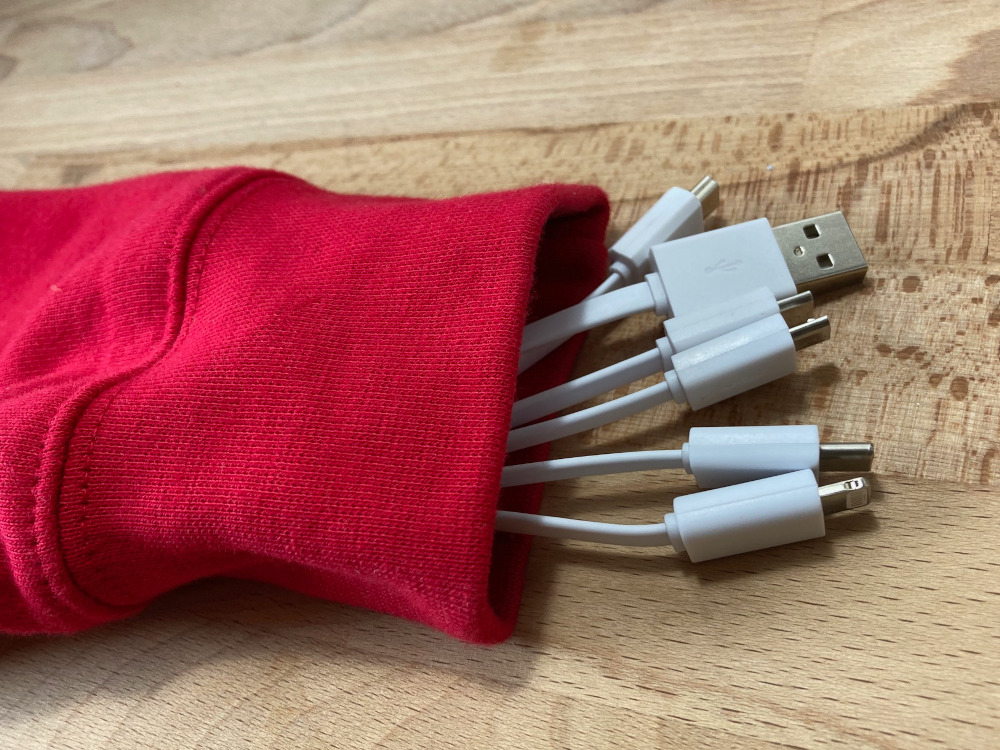
In the near future, the concept of a hoodie that can charge your smartphone or the development of textile-based power sources for a host of portable electronics could become everyday occurrences. This advancement heralds an intriguing confluence of fashion, functionality, and sustainability, transforming the way we stay connected and powered up on the go.