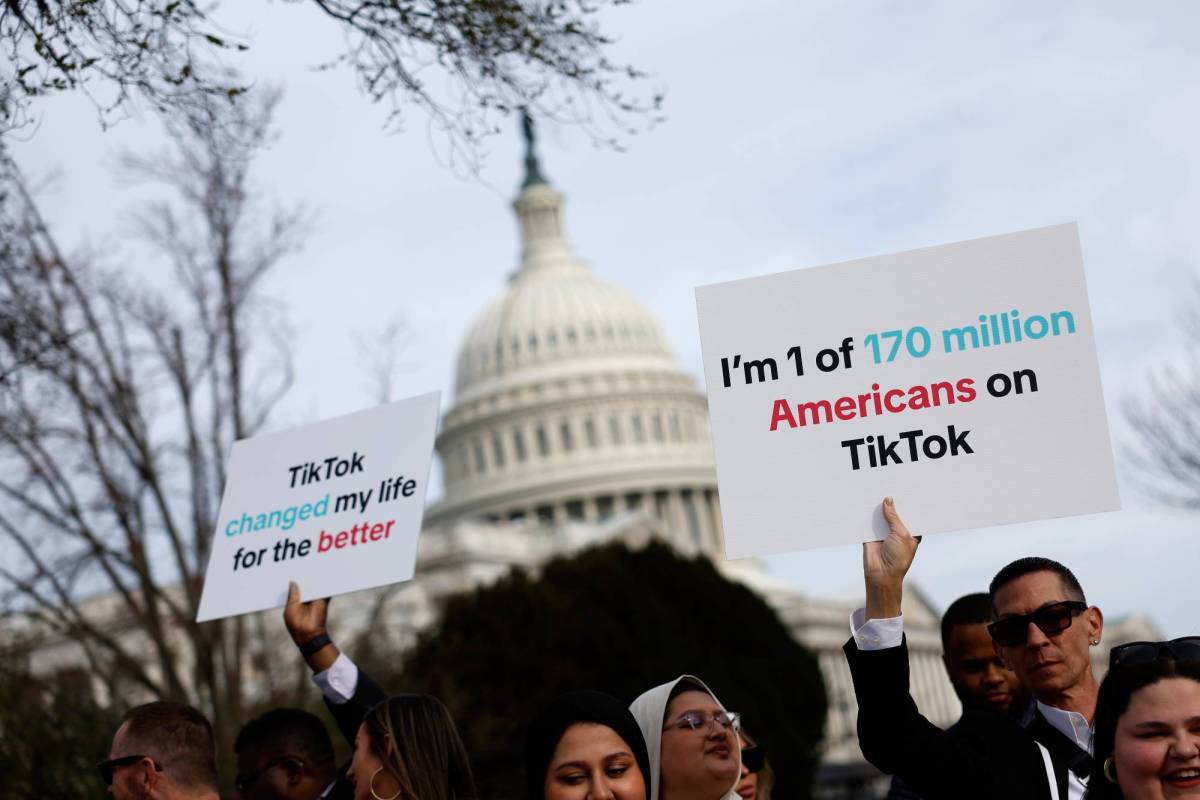
As discussions regarding the regulation of TikTok take a serious turn in the United States, the possibility of a ban on the popular social media app appears more imminent. Recent developments have seen a House subcommittee approve a bill that could lead to either the sale of TikTok from its Chinese parent company, ByteDance, or a complete ban within the country. Following this subcommittee approval, the House itself has cast a majority vote in favor, with only a few dissenting voices. The matter now progresses to the Senate, where it seems to have garnered considerable high-profile backing.
The threat of a TikTok ban has not been taken lightly by its vast user base. Among these users, many are leveraging the platform to speak out against the impending ban and mobilize a response. TikTok has not only become a platform for entertainment but also an essential space for small businesses which utilize the app as a tool for marketing and audience engagement. These businesses stand to suffer significant impact if the ban is enforced.
Yet, there could be an alternative to an outright prohibition – the divestment of TikTok from ByteDance, which might address the concerns of the U.S. government regarding data security and ties to China. However, the feasibility of such a solution is under question, as signals from the Chinese government suggest reluctance or outright refusal to permit such a sale.
It appears that while the legislation was designed with two potential outcomes for TikTok – divestiture or ban – the latter may be the true point of contention. With a clear-cut resolution yet to emerge, the situation remains complex for TikTok, its users, and the U.S. authorities.
As the debate and legal processes continue to unfold, it is clear that users are ready to stand in opposition to a ban. Engagement and activism on the platform are rising as the TikTok community seeks to defend the space they have grown to value. This recent turn of events highlights the growing tensions between national security concerns and the free flow of digital communication and commerce in the global ecosystem. Users and observers alike await the Senate’s response, which could ultimately shape the future of social media accessibility and regulation in the United States.