With the electric vehicle landscape continuously evolving, Tesla has taken a step towards inclusivity by opening its Supercharger network to other EV brands, starting with Ford. This bold move aligns with the growing acceptance of the Tesla-designed North American Charging Standard (NACS) across the industry. Ford’s all-electric vehicles, the F-150 Lightning and the Mustang Mach-E, are now compatible with Tesla Superchargers through a free CCS adapter that is being distributed to Ford owners.
As Ford drivers begin to embrace the use of Tesla’s expansive charging network, they will encounter different pricing structures. Those paying on a per-charging session basis will notice a 30% markup in the price per kWh compared to Tesla owners. However, Ford EV owners can opt for a $12.99 monthly membership to match the rates paid by Tesla vehicle owners.
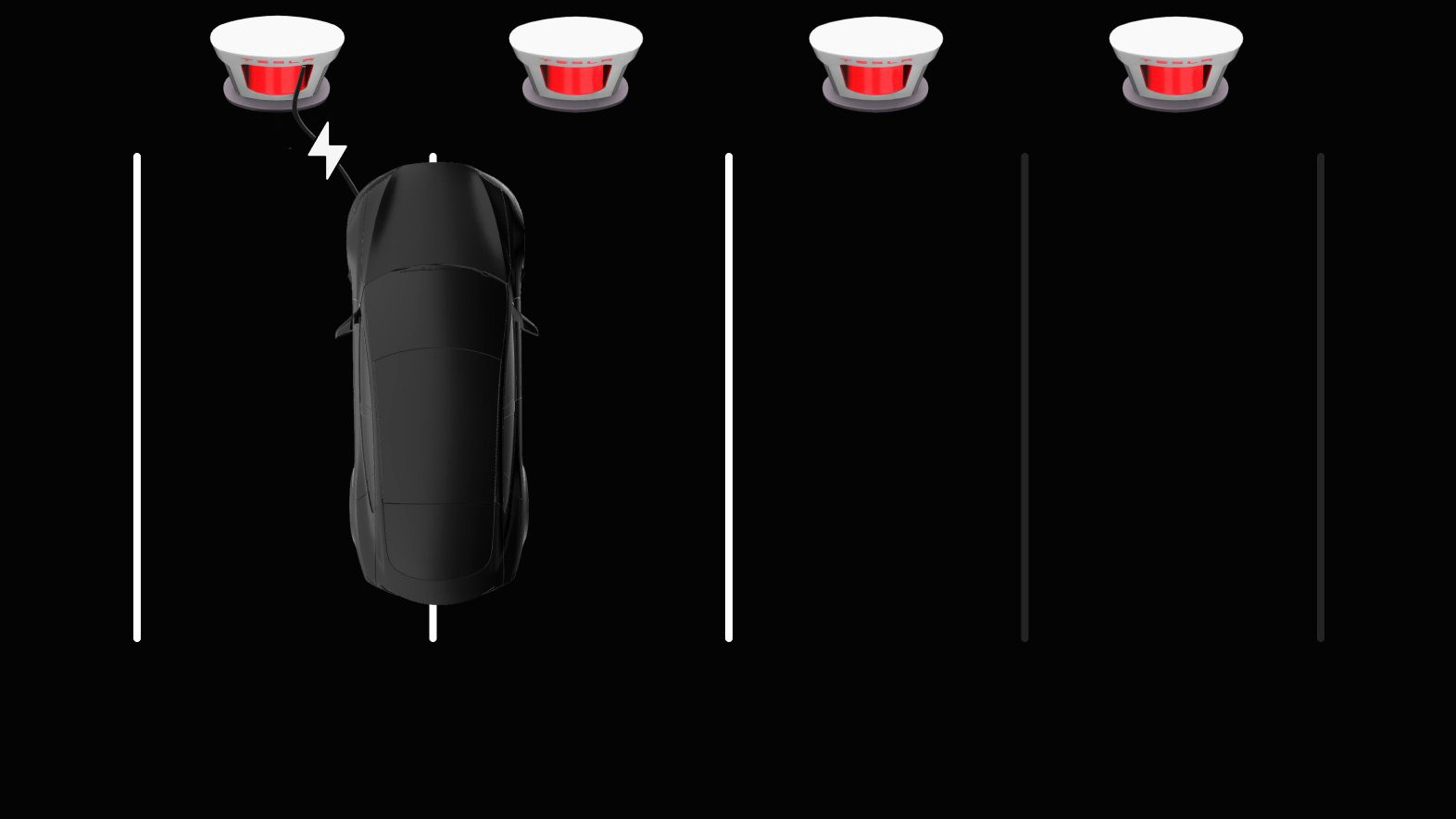
When it comes to Supercharger station etiquette, Tesla’s updated guidelines depict a somewhat accommodating approach for Ford’s F-150 Lightning. Imagery in the app suggests that it is acceptable for the pickup truck to occupy two charging stalls, presumably due to the placement of the charging port on the front of the vehicle. This allowance is specific and does not extend to occupying more than two spaces, as the guidelines explicitly show that parking across three or four spots is discouraged.
As Tesla opens its Supercharger network to other EV makers like Rivian, GM, Volvo, and Polestar this spring, the landscape of charging station etiquette will continue to evolve. Tesla owners may need to adapt to shared spaces with a variety of EVs that have different charging port locations. This inclusion could potentially bring challenges at busy stations. Tesla is attempting to mitigate these concerns with its next-generation V4 Supercharger stations, which feature longer cables to accommodate various parking positions without the need for diagonal parking.
EV owners looking for home charging solutions can consider the Tesla Gen 2 Wall Connector with an 80A rating and a generous 24-foot cable, available through online retailers such as Amazon.
With the electric vehicle industry advancing and charging networks becoming more universally accessible, understanding and adhering to charging station etiquette is vital for ensuring a smooth experience for all EV owners.