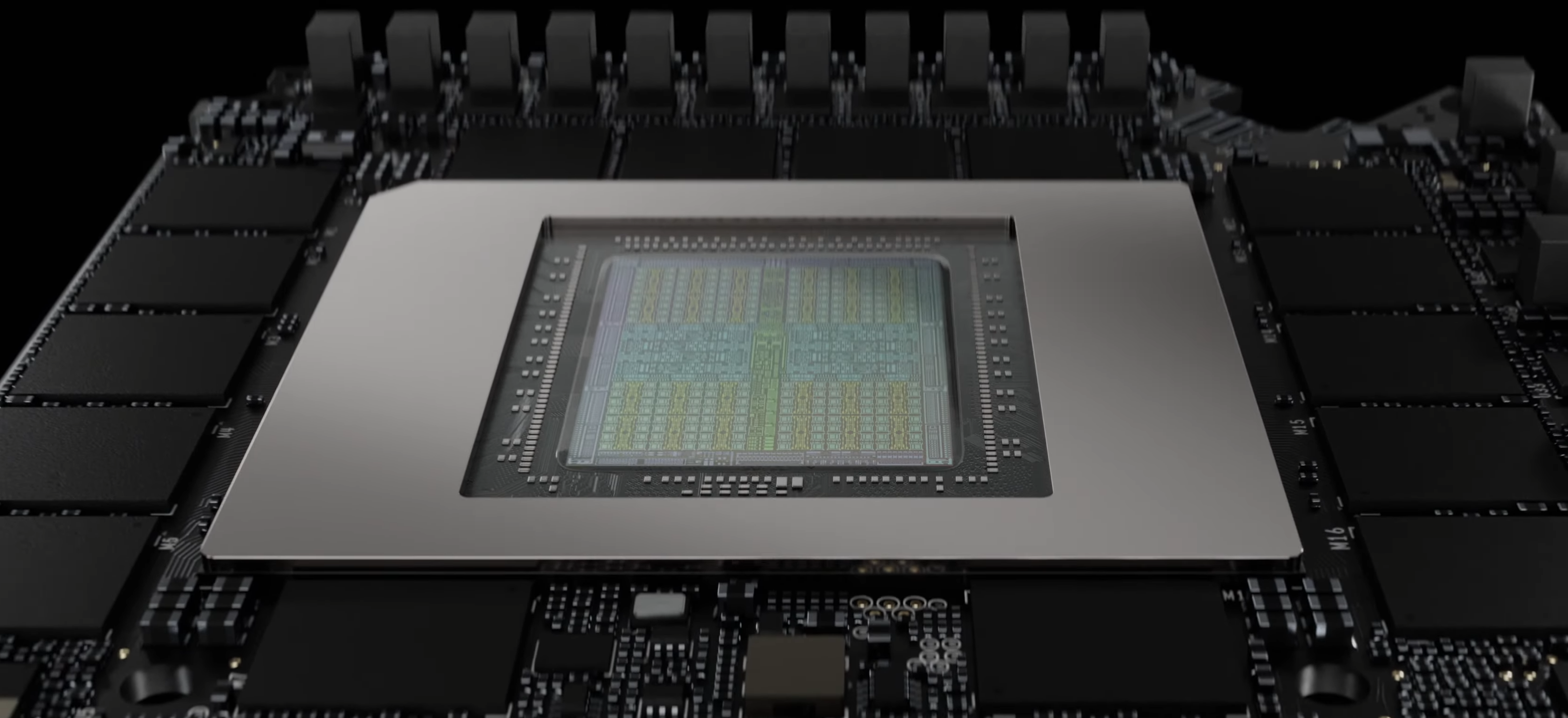
Navigating today’s GPU landscape is no walk in the park, especially with the recent revelation from an NVIDIA board partner that snagging a GeForce RTX 50 series GPU at MSRP is quite the challenge. According to this insider, a substantial portion of the pricing is dominated by the GPU and VRAM costs, with only a small fraction – around 20% – covering additional components like coolers and packaging.
One Chinese vendor has pointed out a growing trend: the margin squeeze at MSRP is making it easier to market Overclocked (OC) models at escalated prices. This feedback emerged during an interaction with a reviewer known as 51972, who delved into the performance of 31 models of the RTX 5080. The heart of the issue seems to rest on the fact that while the board partners do not set the final prices, they find themselves more comfortable marketing UC models at steeper rates due to the slim profit margins when adhering to MSRP. The ever-soaring cost of VRAM and the GPUs themselves is largely to blame.
It turns out, manufacturing costs and incremental expenses – like those for radiators and fans which range from a few dozen to nearly $100 – barely leave any room for profitability on models priced at MSRP. For instance, creating an RTX 5080 might rack up production costs nearing $900, which means slapping a price tag of $1000 isn’t lucrative enough for vendors.
The underlying business strategy has shifted. Rather than sticking rigidly to MSRP, the market is buoying up these costs slightly, bolstered further through OC versions. In a practical sense, this means consumers are witnessing more premium editions priced much higher than their base models. Noteworthy is the trend with both the RTX and RX series from NVIDIA and AMD, where models like the RTX 5090, RTX 5080, RTX 5070 Ti, RX 9070 XT, and RX 9070 are seeing skyrocketing prices. In particular, the RX 9070 series saw a price surge of up to $130 within its inaugural week.
The vendor forecasts a shift with better availability expected by March, a scenario that might hopefully help stabilize prices. Until then, enthusiasts and potential buyers may continue to face a tug-of-war between pricing and availability, with the retail scene adjusting accordingly in pursuit of profitability.