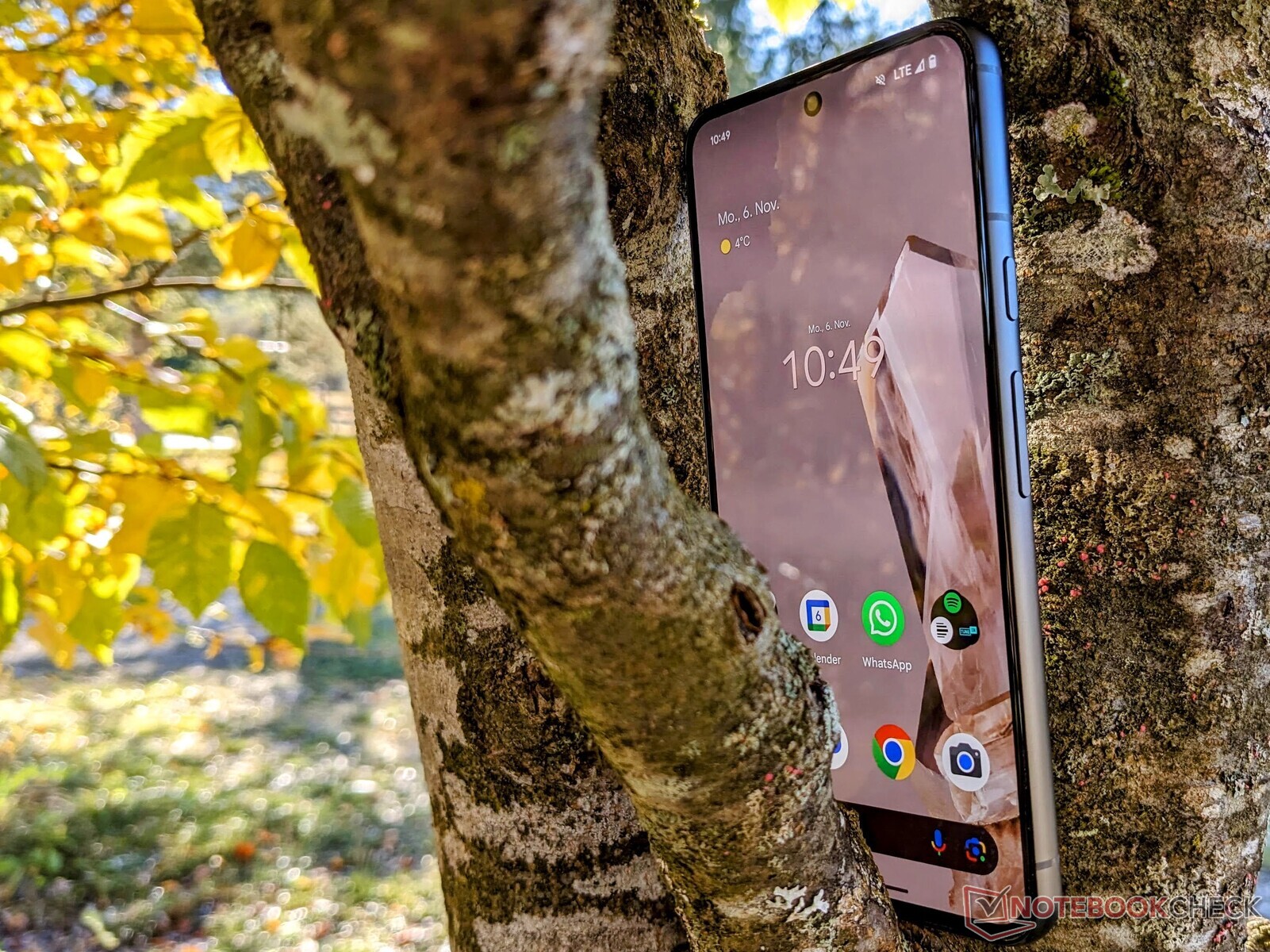
Google has long been lauded for its innovative use of artificial intelligence in its Pixel smartphone series. With pioneering advancements in computational photography and user-focused AI features, Google’s vision for the role of AI in smartphones has been both ambitious and influential. However, recent developments have revealed significant shortcomings in its AI strategy, particularly with the Pixel 8’s inability to support Gemini generative AI-based models.
Introduced last October, the Pixel 8 is equipped with the Tensor G3 chip, the same processor found in the Pixel 8 Pro. Unlike the Pro version, which boasts 12 GB of RAM, the Pixel 8 comes with only 8 GB of RAM. This decision seems to have resulted in a critical bottleneck that prevents the device from running Google’s on-device mobile Large Language Model (LLM), even in its more modestly sized versions of 1.8 billion and 3.6 billion parameters.
In comparison, Qualcomm has launched a new AI Hub featuring over 75 AI models that are compatible with Snapdragon chips. Their latest Snapdragon 8 Gen 3 chip can handle AI models with up to 10 billion parameters—a testament to the importance of both system RAM and the overall AI capabilities inherent in a smartphone’s silicon. The Tensor G3 chip, which Google has promoted as AI-centric, appears to fall short, not only in system RAM but also in handling sophisticated AI models.
Chip performance and AI capability are inextricably linked, especially when dealing with LLMs and multimodal models. Chips require robust processing power, including the CPU, GPU, and neural cores, to handle on-device processing of such models. Snapdragon’s ability to support larger AI models and its superior benchmark performance cast a shadow on Google’s Tensor G3.
It’s becoming evident that, in some cases, the Pixel 8 Pro must offload certain generative AI features to Google Cloud for processing due to the limitations of the Tensor G3. For Pixel 8 users, the situation is even more dire, as they lack the hardware capabilities to experience the generative AI features like Gemini Nano—revealing a gap between Google’s aspirations and the current reality of their hardware.
Furthermore, the recent problems with the Pixel 8 raise questions about Google’s ambitious promise of seven years of software updates. Not even a year into its lifecycle, and the Pixel 8 is showing signs of obsolescence in its AI capabilities, suggesting that future updates might be confined to security patches and minor tweaks.
Google’s partnership with Samsung LSI and Foundry has exposed difficulties in chip efficiency and overheating, which have restricted the true potential of the Tensor chips’ Arm-based architecture. However, recent advancements in Samsung’s technology suggest that the upcoming Tensor G4, set to be used in the Pixel 9 series, may offer improved performance. Google is also working on a fully custom Tensor G5 chip to be fabricated by TSMC.
For current Pixel 8 users, these developments offer little solace. The limitations of their device in terms of AI suggest that while Google’s vision for AI in smartphones remains clear, the execution, particularly with the Pixel 8, is lacking. Despite the Pixel 8 being a capable mid-range phone, its inability to support the latest generative AI features puts Google’s AI failings in the spotlight.


