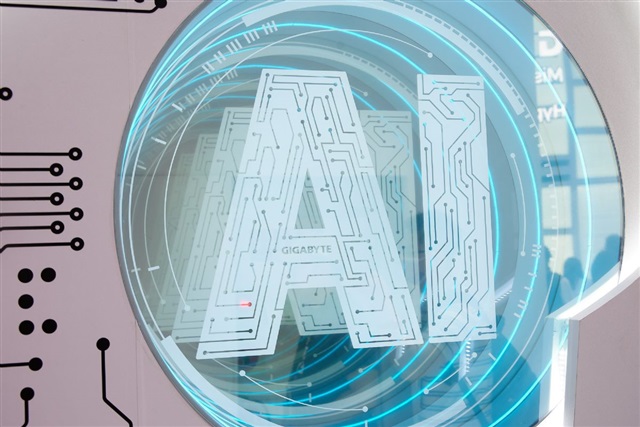
Amid a sluggish economy and dwindling demand in multiple industries, the investment landscape for artificial intelligence, particularly in cloud AI, continues to show remarkable vigor. The fervor for AI investments has led to growing apprehensions about an impending AI bubble. This raises the pressing question: are we on the brink of a genuine crisis, or is this concern simply overblown?
As more organizations pour resources into AI technologies, the stakes grow higher. On one hand, AI holds the promise of revolutionizing sectors from healthcare to finance, offering unprecedented efficiencies and new ways to solve complex problems. On the other hand, the rapid influx of capital into AI ventures could lead to inflated valuations and an unsustainable market similar to previous tech bubbles.
It’s important to note that AI isn’t just a fleeting trend. The technology is becoming increasingly integrated into everyday business operations, driving innovations that were once the realm of science fiction. With cloud AI, companies can leverage vast computational power and sophisticated algorithms to analyze large datasets, make predictive decisions, and automate processes. This scalability and accessibility make cloud-based AI solutions especially appealing, ensuring ongoing investment despite economic uncertainties.
Yet, the unmistakable fear of a bubble is ever-present. Many seasoned investors remember the dot-com crash, where exuberant investments in internet startups eventually led to a market collapse. Similar patterns of hyper-investment and speculation are causing some to draw parallels with today’s AI boom.
Navigating this landscape requires a balanced perspective. Investors need to differentiate between genuine advancements that offer long-term value and speculative ventures with inflated promises. True innovations in AI are likely to withstand economic pressures, while those built on hype may quickly dissolve when faced with financial scrutiny.
In conclusion, while there is substantial momentum in AI investments, the potential risks should not be ignored. Whether we are facing an actual crisis or a misconceived threat depends on careful evaluation and strategic investment in technologies that demonstrate sustainable growth and practical applications. Only time will level the playing field, separating the real game-changers from the fleeting fads.