Garmin Cuts Satellite Emergency Pricing, But Apple Still Makes It Look Expensive
Garmin has made an important change to its satellite communication pricing, and for many smartwatch owners, it could make emergency access more affordable. However, the update may not go far enough to avoid criticism, especially as Apple continues to offer satellite emergency features at no extra cost for an initial period.
The company now allows users to access emergency satellite communication at an effective price of $7.99 when an inReach subscription is paused. This option applies not only to Garmin’s dedicated inReach satellite devices, but also to compatible Garmin smartwatches with satellite connectivity, including models aimed at outdoor and adventure users. There is still a $39.99 activation fee, which means the feature is not exactly free or frictionless.
On paper, this is a welcome move. Satellite emergency communication can be a lifesaving tool when cellular coverage disappears, whether during hiking, trail running, mountaineering, sailing, or remote travel. Lowering the cost barrier makes sense, especially as more users buy premium Garmin wearables with safety features built in.
But Garmin’s pricing change also highlights a bigger problem: emergency satellite features are becoming mainstream, and consumers may not be willing to treat them like a traditional subscription add-on.
For years, Garmin’s inReach devices have been popular among serious outdoor enthusiasts. People who buy a dedicated satellite communicator usually understand why a subscription exists. They are often planning remote expeditions, backcountry trips, or professional outdoor work where two-way satellite messaging and SOS functions can be essential.
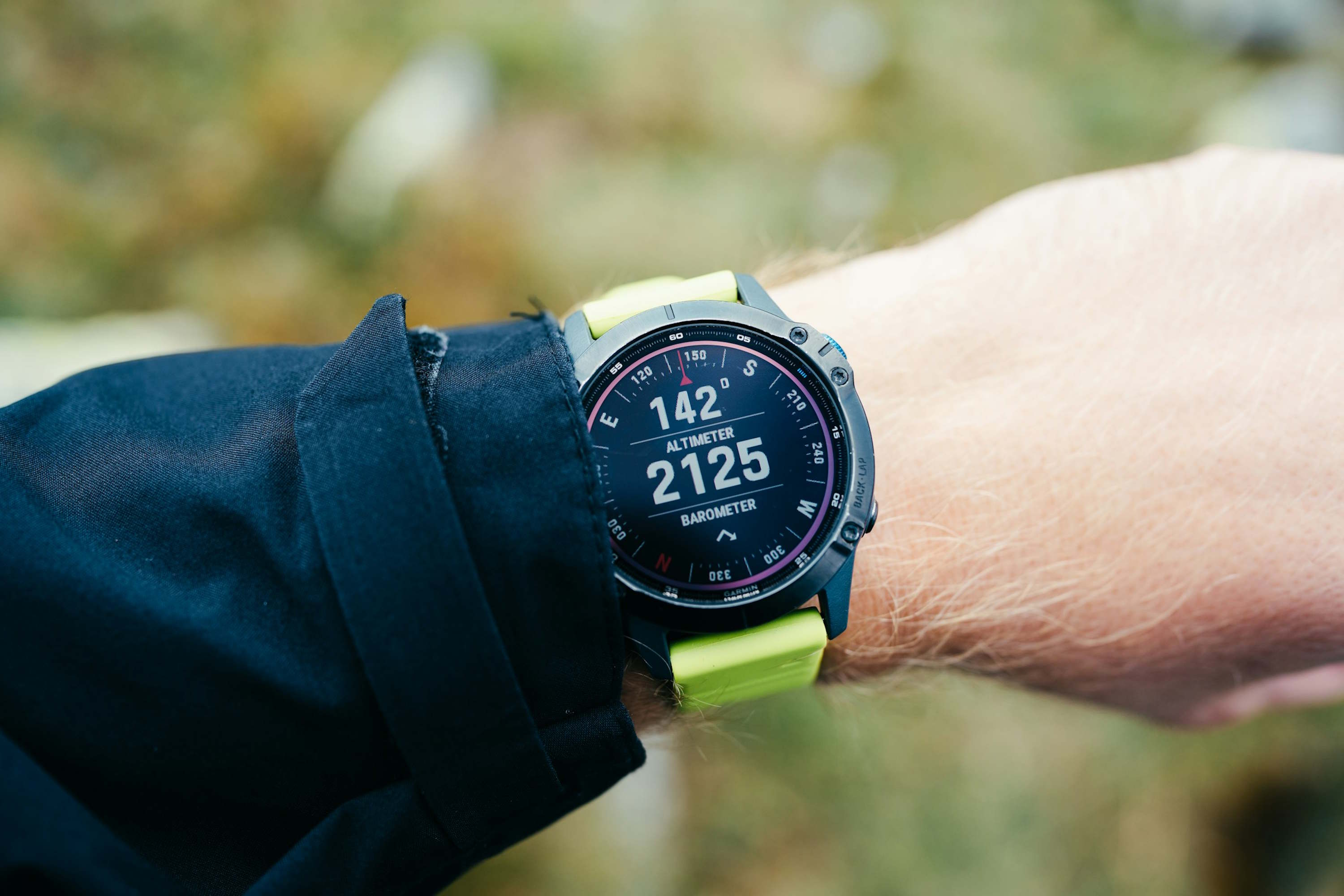
The situation is different with Garmin’s premium smartwatches. Models such as the Fenix 8 Pro and Quatix 8 Pro appeal to a much broader audience. Many buyers are fitness enthusiasts, weekend hikers, runners, cyclists, sailors, or travelers who may not think of themselves as expedition-level adventurers. They may see satellite emergency support listed as a key feature and assume it will be available when needed.
That assumption could become dangerous if users do not understand the pricing structure or fail to activate the service before heading into an area without mobile coverage.
A short hike can still go wrong. A diving trip can become risky if planning is poor. A mountain bike ride, trail run, or remote camping weekend can quickly turn serious after an injury, sudden weather change, or navigation mistake. In those moments, satellite SOS is not a luxury feature. It can be the difference between a quick rescue and a life-threatening emergency.
This is where Garmin’s approach looks weak compared with Apple.
Apple currently offers Emergency SOS via satellite free for the first two years after purchasing supported devices. While the long-term pricing strategy remains unclear, Apple has positioned satellite emergency access as a core safety feature rather than a paid outdoor subscription. That creates a strong contrast with Garmin, especially for casual buyers comparing premium wearables.
Garmin can argue that its satellite ecosystem is more advanced, particularly because inReach services offer broader outdoor-focused communication tools beyond basic SOS. For serious adventurers, Garmin’s platform still has major advantages. But the average smartwatch buyer may not care about the distinction between full satellite messaging and basic emergency access. They may simply ask one question: If the hardware supports emergency satellite communication, why is the lifesaving part behind a fee?
That question could become a marketing problem.
Garmin has built a strong reputation in the fitness, navigation, aviation, marine, and outdoor technology markets. Its watches are trusted by athletes and explorers around the world. But safety features carry emotional weight. If a user buys an expensive Garmin smartwatch and later discovers that emergency satellite access requires activation, payment, or a paused subscription arrangement, frustration is likely.
Worse, if a real emergency occurs and someone cannot use the feature because the service was not properly enabled, the reputational damage could be far greater than any subscription revenue Garmin protects.
The new $7.99 paused-plan emergency option is a step in the right direction. It makes Garmin satellite SOS access cheaper than before and may satisfy users who want a minimal safety net without paying for a full inReach plan every month. However, the activation fee and remaining complexity still make the system feel less consumer-friendly than it could be.
As satellite connectivity becomes more common in smartphones and smartwatches, companies will face growing pressure to make emergency features simple, transparent, and affordable. Garmin has the technology, the brand trust, and the outdoor expertise to lead this space. But if competitors make emergency satellite access feel easier and more generous, Garmin risks looking out of step.
For now, Garmin’s updated satellite pricing is useful, but it may not fully solve the bigger issue. In the premium smartwatch market, emergency communication is no longer just another feature on a spec sheet. It is a safety promise. And when lives may depend on it, users expect that promise to be as clear and accessible as possible.


