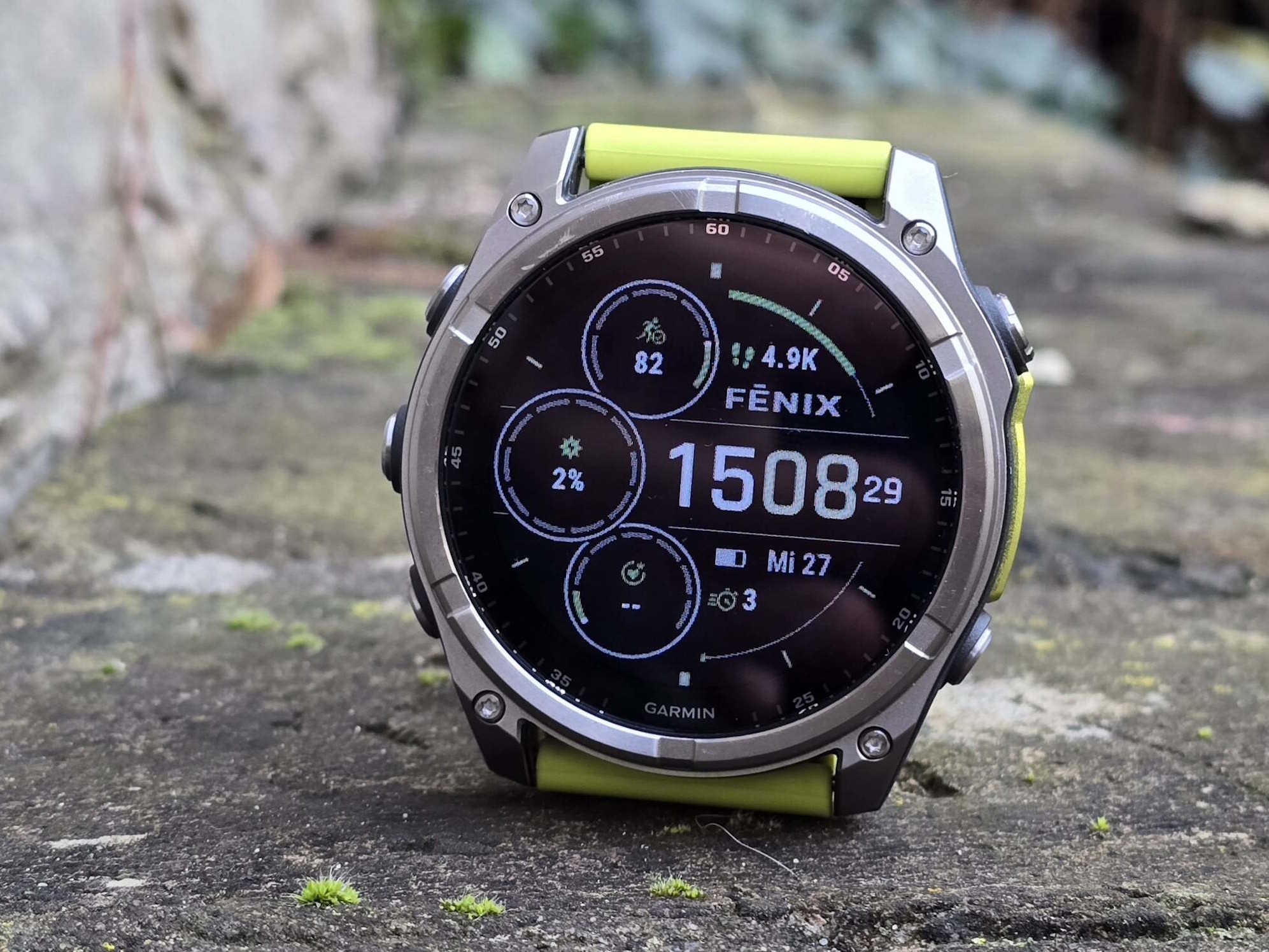
Garmin may be preparing a meaningful upgrade to one of the most overlooked parts of a smartwatch: the antenna. Newly surfaced patent filings suggest the company is exploring several fresh antenna designs that could improve GPS accuracy, strengthen signal reliability, and potentially enhance connectivity on future devices, including a next-generation Garmin Fenix 9.
Patents often offer an early glimpse into what product teams are experimenting with behind the scenes. They don’t guarantee a feature will ship, but they do reveal where engineering effort is going. In Garmin’s case, these recently published filings point to a clear theme: rethinking how antennas are placed and built into a compact wearable.
That challenge is bigger than it sounds. Smartwatches have extremely limited internal space, and they can’t rely on large external antennas like the ones you’d find on home networking gear. Yet expectations remain high—especially for outdoor and sports watches where dependable positioning and stable connections are essential.
The patents describe three related approaches:
One concept focuses on using two planar antennas. In practical terms, that could mean turning parts of the watch itself—such as the bezel and the underside of the case—into antenna surfaces. If implemented well, this could help improve reception without taking up valuable internal room.
Another idea involves integrating antennas directly into structural components that are already essential to the watch’s construction. Instead of treating the antenna as a separate piece squeezed into leftover space, the watch body itself could play a more active role in signal performance.
A third approach explores an antenna with an adjustable effective length. This would allow the device to tune antenna behavior to match different needs, potentially optimizing performance depending on what kind of signal is being used or what environment the wearer is in.
Importantly, these concepts don’t appear limited to just one feature. The same antenna improvements could be applied to GNSS positioning (the satellite systems used for GPS-style tracking) and also to wireless communications, including possible cellular connectivity. In other words, Garmin seems to be keeping its options open for multiple radios and multiple use cases.
For Garmin users, the biggest potential impact is better positioning—both higher accuracy and more consistent performance. Reliable GPS is a make-or-break feature for runners, hikers, cyclists, and anyone who trains or navigates outdoors. If tracking drops out under tree cover or becomes unreliable in challenging terrain, a premium sports watch quickly loses its value. Enhancing antenna design is one of the most direct ways to reduce those weak-signal frustrations and improve real-world tracking confidence.
There’s no official confirmation that these antenna designs will debut in the Garmin Fenix 9, but the alignment is easy to see. The Fenix line is built around performance outdoors, where GNSS reliability matters most. If Garmin turns any of these patents into production hardware, the result could be a future Fenix model with stronger reception, more robust location tracking, and improved connectivity—exactly the kind of upgrade that would matter every time you step outside.


