Samsung Galaxy S27 Ultra could finally get the upgrades fans have wanted for years
Samsung’s next major Ultra flagship may be shaping up to be one of the company’s most important upgrades in years. A new rumor suggests the Galaxy S27 Ultra, expected in early 2027, could bring several long-requested changes, including a redesigned camera system, a larger battery, and support for more advanced magnetic wireless charging accessories.
The timing would make sense. Apple is expected to push its iPhone 18 Pro and iPhone 18 Pro Max forward with major next-generation improvements in late 2026. If those upgrades are as aggressive as reports suggest, Samsung may need to make bolder moves with the Galaxy S27 Ultra to keep its top-tier phone competitive.
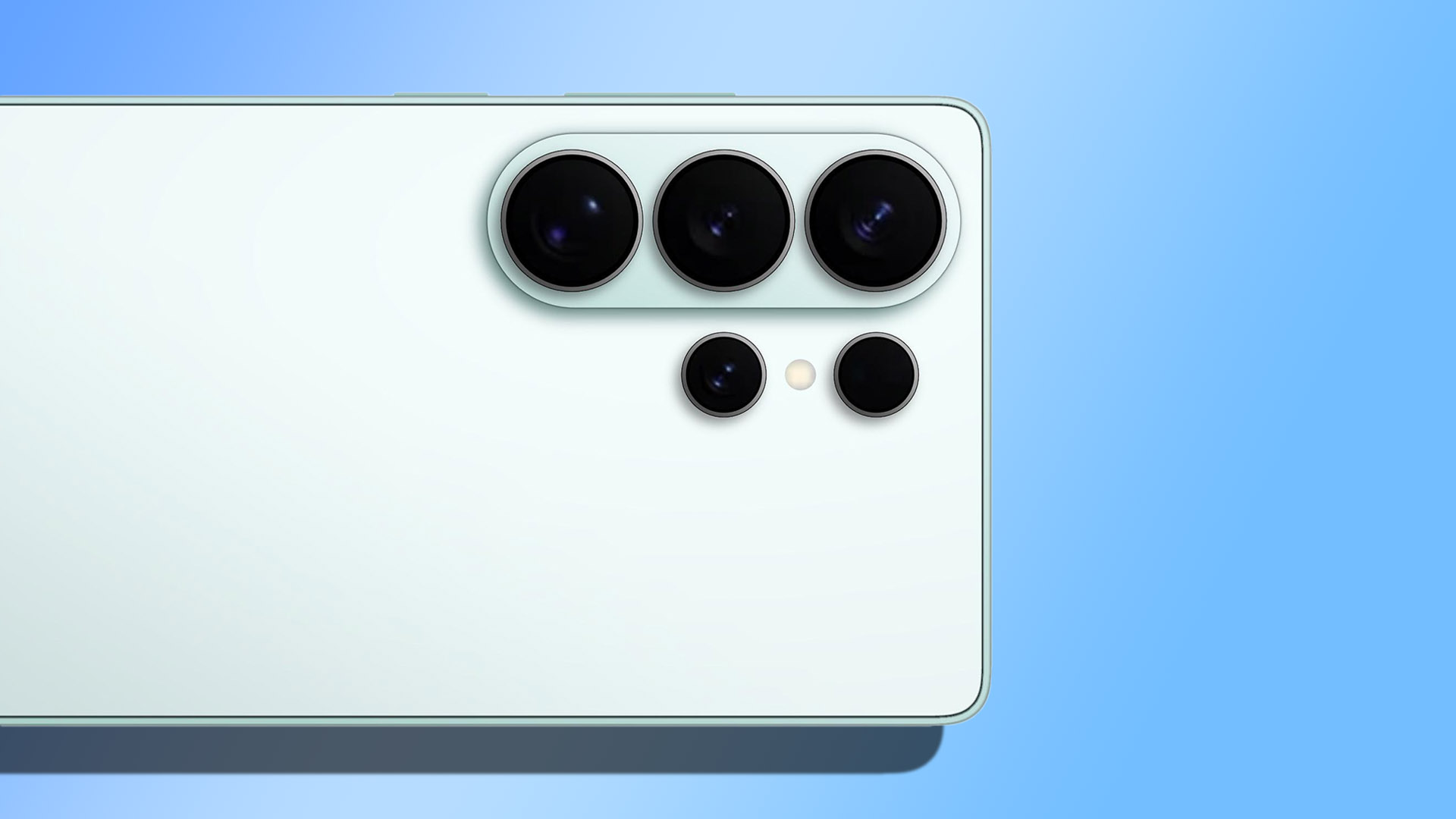
One of the biggest rumored changes involves the camera setup. Samsung may remove the 3x telephoto camera from the Galaxy S27 Ultra. This camera has been criticized by some users for not keeping pace with the rest of Samsung’s flagship hardware, especially as the 5x periscope zoom camera already delivers stronger image quality and better stabilization for long-range shots.
By removing the 3x telephoto unit, Samsung could free up valuable internal space. That extra room may allow the company to improve other areas of the phone, including battery capacity and possibly camera hardware. For a device as packed as the Galaxy Ultra series, even a small amount of extra internal space can make a meaningful difference.
Battery life could be another major focus for the Galaxy S27 Ultra. Samsung has kept its Ultra models around the 5,000mAh mark for several generations, and many users have been waiting for a bigger upgrade. According to the latest rumor, the Galaxy S27 Ultra may finally move beyond that 5,000mAh ceiling.
A larger battery would be a welcome improvement, especially as rival brands continue to push ahead with bigger cells and newer battery technology. Some Chinese smartphone makers have already adopted silicon-carbon batteries, which can offer higher capacity without dramatically increasing device thickness. It remains unclear whether Samsung will use that technology for the Galaxy S27 Ultra, but even a larger traditional lithium-ion battery would be a step in the right direction.
Battery performance also depends heavily on software optimization. If Samsung combines a bigger battery with improved power management, a more efficient processor, and better display tuning, the Galaxy S27 Ultra could deliver noticeably longer real-world usage. That would be especially important for power users who rely on the Ultra model for gaming, photography, video recording, navigation, and productivity.
Another major rumored design change is the possible introduction of a camera bar. This would be a noticeable shift from Samsung’s current individual camera ring layout. A camera bar could do more than change the phone’s appearance; it may also help Samsung make room for Qi2 magnetic wireless charging support.
Qi2 is becoming increasingly important in the smartphone accessory market because it enables easier magnetic alignment for wireless chargers, power banks, stands, car mounts, and other accessories. If the Galaxy S27 Ultra supports Qi2 properly, users could get a more reliable wireless charging experience and access to a wider range of magnetic charging products.
This would solve one of the biggest compatibility gaps for Samsung users. While wireless charging has been available on Galaxy flagships for years, magnetic alignment has not been as seamless as what some competing devices offer. Full Qi2 support could make the Galaxy S27 Ultra feel more modern and convenient in daily use.
Samsung may also be preparing changes to its broader Galaxy S27 lineup. The company is rumored to be considering a Galaxy S27 Pro model, which could help reduce the feature gap between the standard Plus model and the Ultra. In recent years, Samsung’s Ultra phones have received the most attention, but some buyers have complained that non-Ultra models feel too limited by comparison.
A Galaxy S27 Pro could give users a premium option without requiring them to choose the largest and most expensive Ultra model. However, Samsung still cannot afford to take attention away from the Galaxy S27 Ultra. The Ultra remains the brand’s most advanced non-foldable smartphone and is usually the model that showcases Samsung’s best display, camera, battery, and performance technologies.
For now, these details should be treated as rumors rather than confirmed specifications. The Galaxy S27 Ultra is still far from launch, and Samsung’s plans could change before the device enters mass production. Even so, the rumored upgrades line up with what many Galaxy fans have been asking for: better battery life, a cleaner and more useful camera system, and modern wireless charging compatibility.
If Samsung follows through, the Galaxy S27 Ultra could become a much more meaningful upgrade than recent Ultra models. With stronger competition expected from Apple and other smartphone brands, Samsung may need exactly that kind of bold refresh to keep its flagship lineup at the top of the premium Android market.


