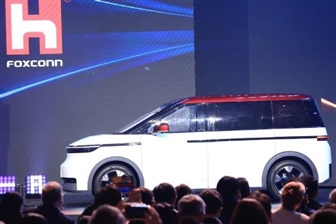
Foxconn unveils Model A reference EV tailored for Japan’s mobility needs
On the opening day of Hon Hai Tech Day, Foxconn introduced the Model A, a new reference electric vehicle that signals the company’s most focused push yet to build EVs tailored to specific industries and real-world use cases. Positioned as a flexible foundation rather than a one-size-fits-all car, the Model A underscores a strategy aimed at helping partners bring purpose-built electric vehicles to market faster—especially for Japan’s unique mobility landscape.
The Model A is presented as a reference platform, meaning it serves as a blueprint that manufacturers, fleet operators, and mobility providers can adapt to their own requirements. Instead of dictating a fixed design, Foxconn is highlighting adaptability, enabling businesses to prioritize what matters most for their operations—whether that’s compact dimensions for dense urban environments, efficiency for high-utilization fleets, or simplified serviceability to keep vehicles on the road. Jun Seki, the company’s chief strategy officer, outlined the broader vision behind this approach: aligning technology, scale, and customization so that EVs can be built around specific jobs, not the other way around.
Japan’s mobility ecosystem is a natural fit for this strategy. Cities with tight streets, evolving emissions goals, and shifting passenger and logistics patterns are driving demand for smarter, more adaptable EV solutions. A reference platform like the Model A is designed to reduce development complexity and help partners configure vehicles to local needs while maintaining quality and cost discipline. That could translate to faster deployment, easier updates over a vehicle’s life cycle, and more precise alignment with regulations and customer expectations.
By focusing on a reference EV rather than a single retail model, Foxconn is emphasizing modularity, integration, and speed. In practice, that typically means a platform-centric architecture where components, software, and body styles can be mixed and matched to meet different service profiles. It widens the field for automakers and non-traditional mobility players alike, opening doors for specialized fleets, new business models, and region-specific products without starting from scratch every time.
Hon Hai Tech Day has increasingly become a stage for Foxconn to showcase its EV ambitions, and the Model A is a clear marker of that momentum. It moves the conversation from concept cars to practical, scalable mobility solutions. For partners, the appeal is the ability to leverage Foxconn’s manufacturing expertise while tailoring vehicles to their own branding, features, and functional targets. For cities and consumers, the promise lies in more variety, more fit-for-purpose options, and potentially lower total cost of ownership as platforms scale.
While detailed specifications weren’t the focal point of the reveal, the message was clear: the future of electric vehicles will be shaped by platforms that can be tuned to task. In Japan, where reliability, safety, and space efficiency are critical, a purpose-built approach can help accelerate electrification without compromising on the everyday realities of urban mobility.
As the EV market matures, reference designs like the Model A could become the backbone of industry-specific innovation—supporting everything from people-moving to goods-moving in a way that’s cleaner, smarter, and more responsive to local needs. With this debut, Foxconn is signaling its intent to be more than a manufacturer; it wants to be an enabler of tailored mobility at scale.