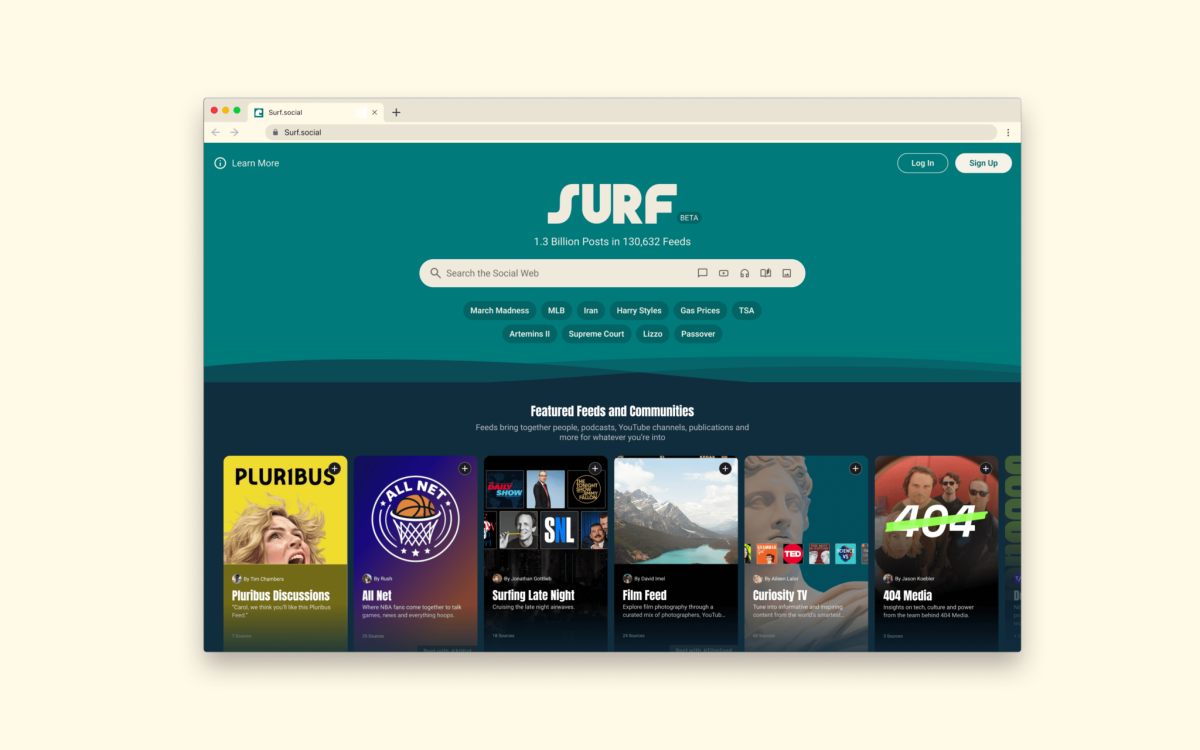
Flipboard has introduced social websites, a new way for creators and publishers to build their own spaces on the web by organizing the conversations already happening across the open social web.
Instead of asking audiences to follow along on yet another platform, these social websites are designed to pull together what’s already out there—posts and discussions from decentralized networks like Mastodon and Bluesky, plus other public web content—into a single destination controlled by the creator. Flipboard’s idea is simple: the community is already talking, sharing, and reacting across multiple networks, so why not bring those conversations into one home base that you own and shape?
According to Flipboard, social websites can combine social posts, videos, podcasts, newsletters, and more into one hub. Creators and publishers can consolidate profiles and updates from sources like Bluesky, Mastodon, Threads, YouTube, podcasts, blogs, and RSS feeds, making it easier for audiences to keep up without jumping between apps and tabs.
Flipboard is positioning social websites as a fresh model for social media—one focused on greater ownership and control for communities, including how content is organized and surfaced. CEO Mike McCue says the goal is to help podcasters, creators, and publications build communities around their work while controlling the experience, even down to the algorithm. Rather than starting from zero, a creator can gather the people and conversations already happening around their podcasts, videos, or newsletters across the social web and present it in one place.
This launch also expands Surf, Flipboard’s reader app built for browsing and exploring the open social web. Social websites are powered by Surf feeds, turning what used to be an in-app experience into something that can live on the broader web.
Flipboard says it has already partnered with publishers and creators who are building their own social websites. These hubs are meant to make it easier for readers to follow journalists, podcasts, videos, and ongoing conversations in one destination. One example highlighted is creator David Rushing’s All Net, a social website for NBA fans that collects basketball conversations, league news, videos, and real-time game commentary.
For those who want to build one, the process starts by creating a Surf feed. Users sign up at surf.social, choose “+ Create Feed” from the sidebar, then add sources, assign a community hashtag, and set filters to customize what appears. After the feed is ready, the owner can assign a custom domain through the feed header menu, turning the feed into a shareable social website.
Flipboard emphasizes that these social websites are built to extend beyond Surf. Because they can be shared across the web, they’re positioned as standalone destinations for any topic, community, or creator brand. Flipboard also notes that more customization tools are on the way, including custom headers, color options, and additional feed management features—hinting that today’s launch is the starting point for a broader push into creator-controlled community spaces.