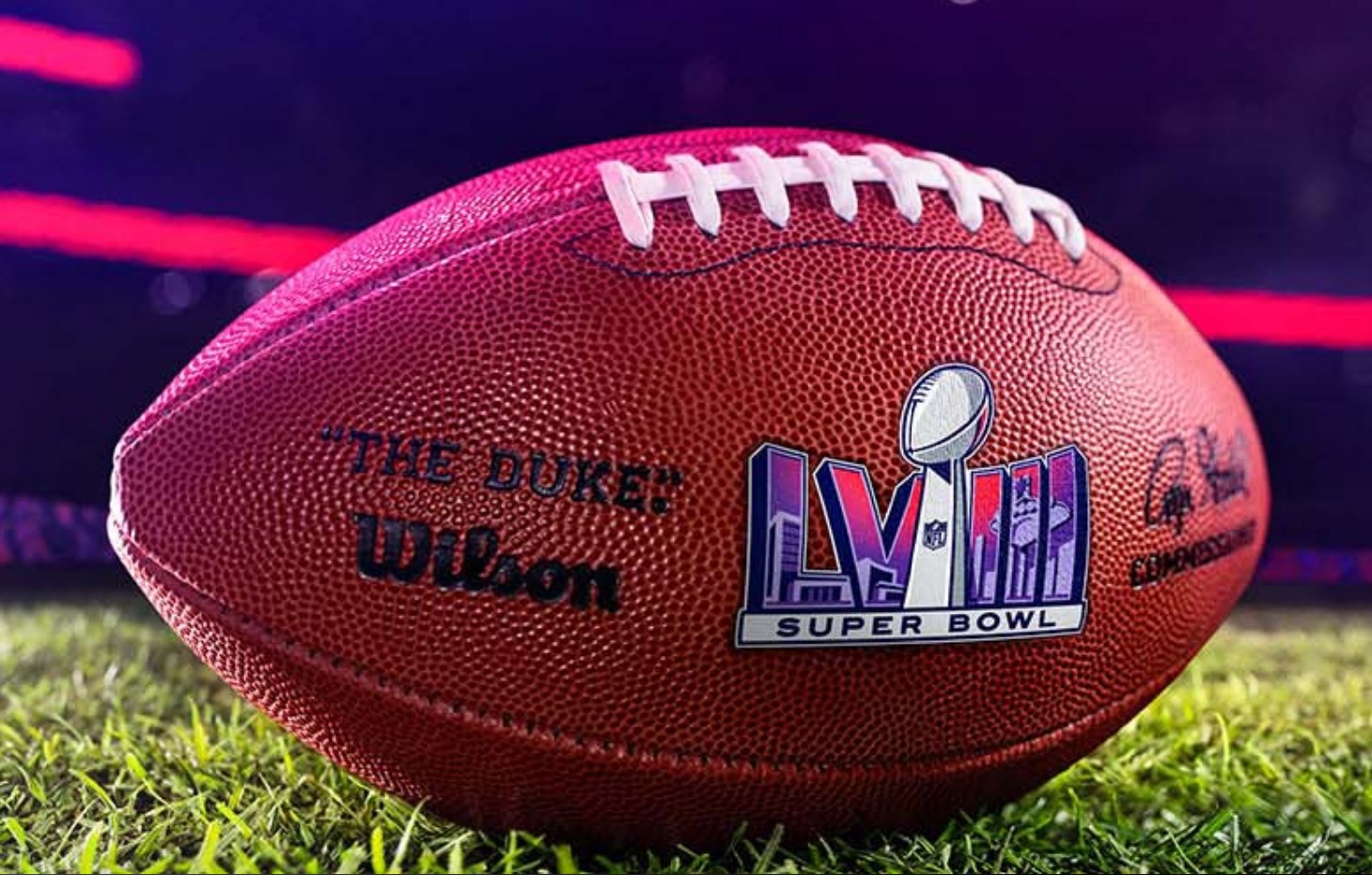
Super Bowl LVIII is setting new records, not just in sports but also in the application of cutting-edge technologies ranging from Augmented Reality (AR) to Artificial Intelligence (AI), sophisticated camera tech, and enhanced wireless communications. This year’s big game is poised to deliver an unparalleled experience both for the attendees at the stadium and viewers watching from home.
Upon arrival at the Allegiant Stadium, fans are greeted by the largest outdoor LED display in football, a colossal 27,600 square-foot screen, manufactured by Samsung. This feature is part of an array of 2,553 displays found throughout the venue, including a massive 12,250 square-foot scoreboard and two videoboards above the field, each spanning 5,978 square feet.
The event’s broadcast partner, CBS, is rolling out a crisp 4K HDR broadcast captured by an impressive lineup of 165 cameras. This includes 24 robotic cameras, 23 AR cameras, and three drones. Sony’s HDC-4800 cameras will be at the forefront, capturing high-frame-rate 4K HDR videos ideal for the most dramatic slow-motion replays. Enhancing last year’s setup, six new cameras will be added to the goal posts to capture any close calls.
Nickelodeon is enriching the live Super Bowl experience with a SpongeBob SquarePants-themed simulcast, featuring the beloved cartoon characters live via green screen and AR camera technology. These playful effects extend beyond the stadium, with an interactive Roblox collaboration and a special SpongeBob AR filter for at-home fans.
Player introductions will also see a technological twist. Utilizing the power of Unreal Engine – the same software behind hit games like Bioshock and Fortnite – athletes were filmed against an XR background, allowing for the creation of virtual scenes where they appear towering over the Las Vegas skyline.
In a leap forward for player health and safety, the NFL is introducing the Digital Athlete, an AI/ML initiative developed with Amazon Web Services. By capturing footage through 38 5K cameras at 60 fps and analyzing it in AWS Cloud, AI can construct virtual models of players to identify and predict injury risks, informing coaches about players who may need attention.
Snapchat is diving into the Super Bowl experience with several AR integrations, including team-themed lenses, jersey lenses that utilize Live Garment Transfer technology, and an AR mirror feature. Users can also engage with a Super Bowl-themed lens that integrates interactive elements like predicting the winners through head-tilt selections.
Addressing the increased data requirements, Verizon has outfitted the Allegiant Stadium with more than 200 5G mmWave radios, enhancing the connectivity infrastructure to accommodate the high volume of digital engagement expected during the game.
Cybersecurity remains a high priority to protect against data theft and game disruptions. The details remain confidential, but it’s known that over 100 agencies, including the FBI and NORAD, have been involved to fortify all possible threats. Las Vegas Fusion Center will spearhead game security using advanced bomb and terror detection technologies, while aerial patrolling will be provided by F-15 Eagle fighter jets from the 144th Fighter Wing.
This year’s Super Bowl promises to be a showcase of how technology can augment one of America’s most beloved sporting events. Reflecting on whether the innovation surpasses the extensive catalog of a certain pop star, it’s evident that Super Bowl LVIII is an ambitious blend of sports and technology spectacle.


