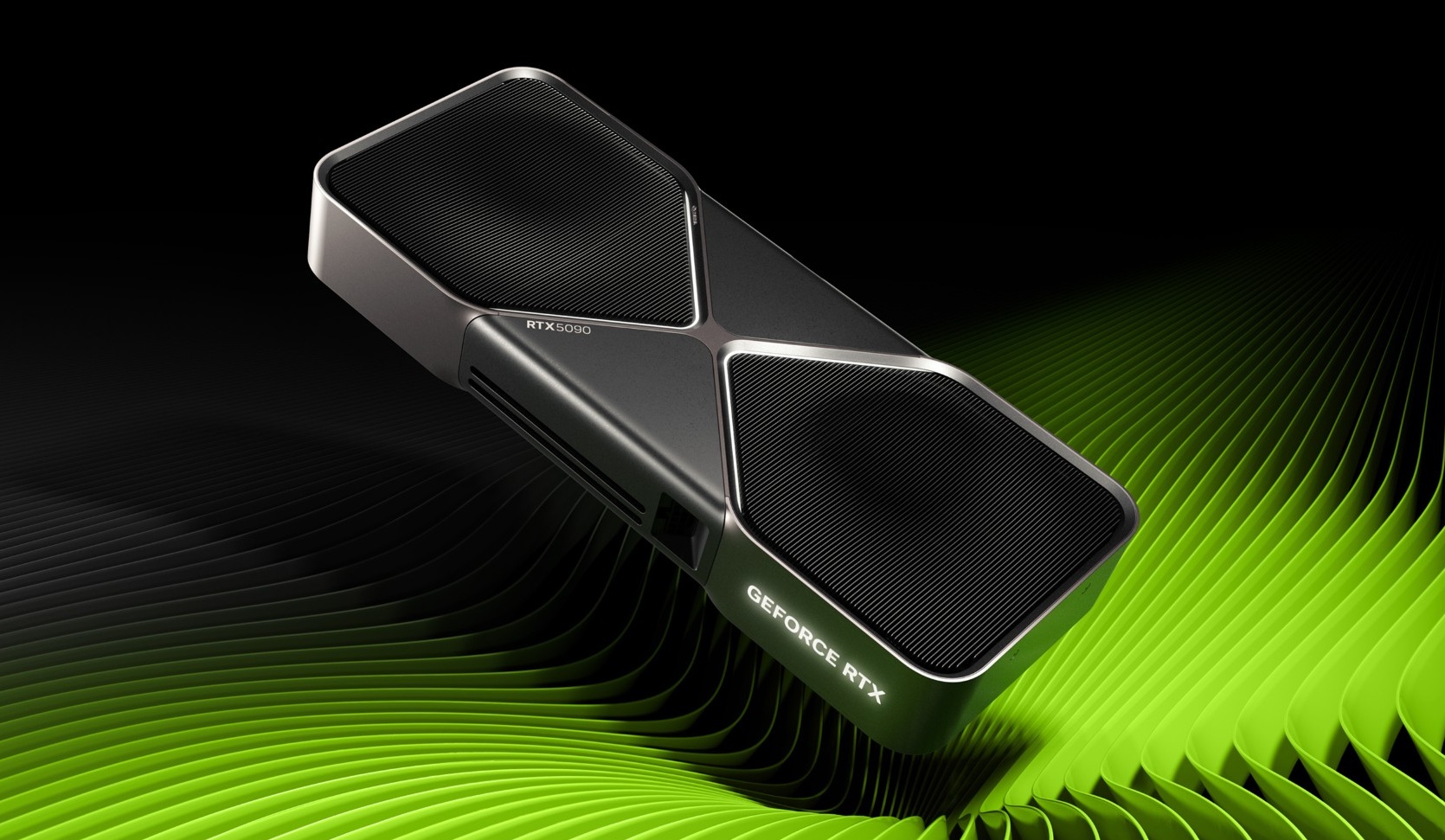
NVIDIA’s highly anticipated GeForce RTX 50 series is shaping up to be a tantalizing yet elusive release, especially for those eyeing the premium models. Despite the excitement around these powerful GPUs, getting them at the manufacturer’s suggested retail prices (MSRPs) seems like a fleeting dream. The reason? A mix of scarcity and tight profit margins for AIB (Add-In-Board) partners.
It’s no secret that electronic components have been in short supply, and the RTX 50 line is no exception. According to reports, NVIDIA’s profit margins for its AIB partners are so restricted that custom models are bound to be priced significantly higher than the official MSRPs. This situation paints a grim picture for consumers hoping to snag one of these high-performance GPUs at an affordable price.
Moreover, NVIDIA’s Founders Edition units are reportedly “100% out of stock,” with production numbers falling short of public demand. This shortage, coupled with the slim pickings for custom cards, indicates a challenging launch phase for the RTX 50 series.
Focusing on the GeForce RTX 5080 might offer insight into the broader series lineup; the high prices and low inventory aren’t isolated to this model alone. Other flagship cards will likely face the same hurdles, with a ripple effect on pricing for any custom versions. If history repeats itself, getting one of these GPUs at MSRP would be quite surprising.
Adding another layer to the challenge is the GeForce RTX 5090D, which reportedly suffers from the same “low demand, high price” dilemma. This is partly due to the costly GDDR7 memory, inflating the Bill of Materials (BoM) significantly. It’s worth noting that initial availability will be confined to select outlets, further constraining consumer access.
On the flip side, AMD’s upcoming RX 9070 series may emerge as a compelling alternative. Unlike NVIDIA’s offering, AMD is expected to launch with higher inventory levels. Their RDNA 4 architecture could present a better performance-to-price ratio, making them a worthy contender for gamers and tech enthusiasts.
As the official launch approaches, it remains to be seen how NVIDIA will manage these inventory and pricing challenges. In the meantime, consumers might find themselves turning to AMD’s offerings unless Team Green can swiftly address the availability issues post-launch. We’ll have to wait and see how this tech drama unfolds.