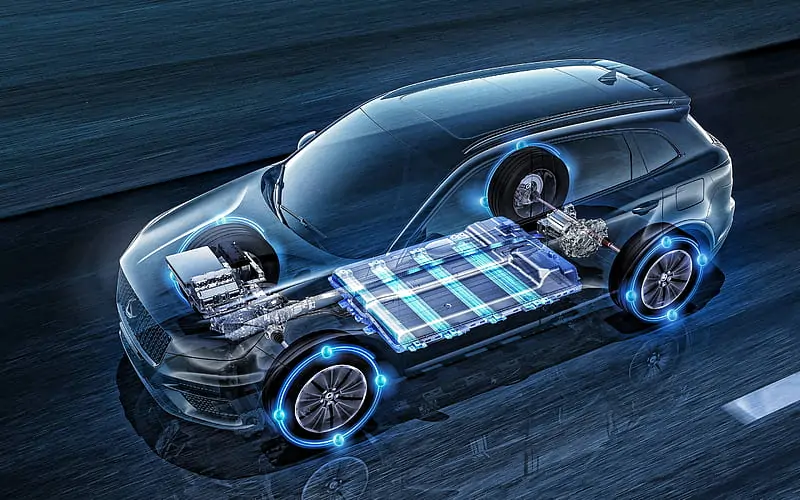
The myth that electric vehicle (EV) batteries are prohibitively expensive to replace has long been a talking point for critics of EVs, suggesting that traditional internal combustion engine (ICE) vehicles are superior in terms of maintenance costs. However, this notion overlooks the fact that modern EVs are designed to outlast their batteries, often rendering a replacement unnecessary. In reality, when considering long-term costs, EVs generally surpass their gas-powered counterparts in terms of affordability and ease of maintenance.
Of course, circumstances may eventually arise that necessitate a battery replacement. Yet, the outlook for EVs remains promising according to a recent report by Recurrent. This report predicts that, by 2030, the cost of replacing an EV battery will fall below the expenses associated with repairing an ICE vehicle.
The projection is based on analyses, including insights from Goldman Sachs, which indicate a significant drop in EV battery prices. By the end of 2026, the cost could reach $80 per kWh, a significant decrease from its 2023 level. There’s even speculation that by the decade’s end, the price could plummet to as low as $50 per kWh. This price reduction is attributed to several factors such as declining costs of raw materials and advancements in battery chemistry.
If these predictions materialize, the implications for EV adoption are substantial, particularly in the used car market. Currently, EVs are known for their impressive lifespan, often exceeding 200,000 miles. With future battery replacements becoming more affordable, this longevity is likely to increase, further enhancing the reliability and appeal of electric vehicles.