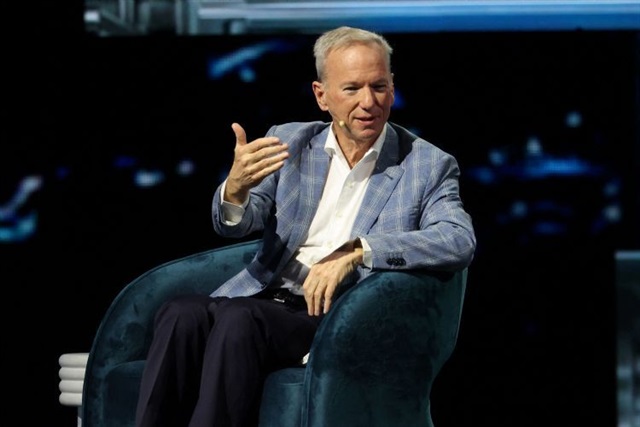
Eric Schmidt warns cost could make Chinese AI the default in developing nations
Former Google CEO Eric Schmidt is sounding the alarm on a growing AI divide. In a recent podcast appearance, he argued that many countries with tight tech budgets are gravitating toward Chinese AI models because they’re cheaper—or even free—while many leading U.S. systems remain closed-source and costly. If this trend continues, he cautions, Chinese AI could become the de facto global standard.
Why this matters
– Affordability drives adoption. Cash-strapped governments, schools, and startups often can’t afford premium licensing and usage fees, making low- or no-cost alternatives much more attractive.
– Standards and influence. The tools that spread first often set the rules. If Chinese models dominate emerging markets, they could shape norms for language, safety, data handling, and interoperability.
– Innovation and competitiveness. Easy access to AI can accelerate local innovation across public services, healthcare, education, and small business—whoever provides it at the right price gains long-term influence.
The affordability gap
– Closed-source pricing adds up. API charges, licensing, and scaling costs compound quickly for developing regions.
– Infrastructure is expensive. Running advanced models locally requires significant compute and energy resources.
– Low-cost Chinese offerings are compelling. Many Chinese systems are promoted with free tiers or low fees, reducing barriers to entry.
What developing countries need
– Budget-friendly access without hidden costs
– Strong support for local languages and on-the-ground use cases
– Clear safety, reliability, and data protections
– Options to customize and deploy models locally when needed
How the West could respond
– Expand open-source models and tooling that match real-world needs
– Offer affordable public-sector and startup tiers with transparent pricing
– Provide international compute credits, training, and capacity-building
– Focus on multilingual support and culturally relevant datasets
– Promote interoperable standards so countries aren’t locked into one vendor
The bottom line
Schmidt’s message is simple: price and access are deciding the AI race in many parts of the world. Unless more competitive, open, and affordable options are widely available, Chinese AI models could become the default choice for developing nations—shaping the next decade of global technology standards and influence.
Quick questions
– Why would Chinese AI dominate? Lower or no-cost access reduces adoption friction for budget-conscious users.
– Is this just about price? Cost is key, but language support, customization, and reliability also matter.
– What changes the trajectory? More open, affordable, and locally relevant AI from a broader range of providers.