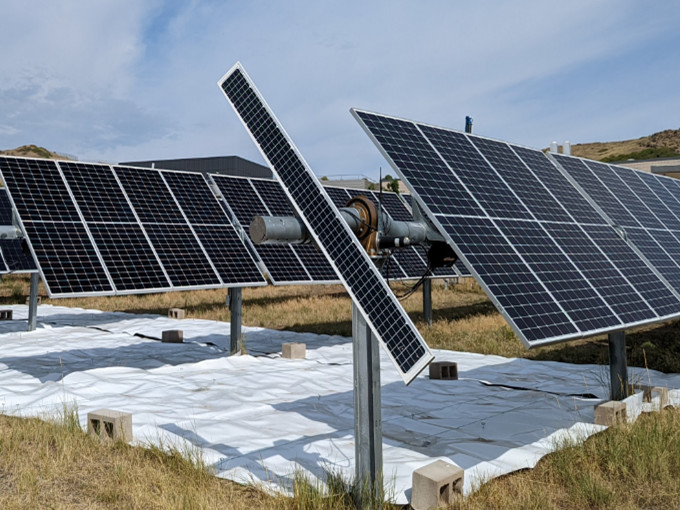
Bifacial solar modules offer a unique advantage in the renewable energy sector: the ability to harness light not only from the front but also from the reflected light on the back, increasing the energy yield per surface area. With an optimized east-west orientation, these modules can maximize electricity production during peak morning and evening times.
In regions where the surface beneath the panels is natively reflective, such as sandy or snow-covered areas, the benefits of bifacial solar technology are naturally amplified. However, for locations lacking such reflective grounds, innovative solutions have been formulated to enhance solar efficiency. According to recent research by the University of Ottawa, investing in reflective backgrounds can significantly increase the electricity generated, outweighing the costs.
Implementation of simple white films can mimic the light-reflecting properties of naturally light-colored environments. Remarkably, this adaptation can bolster electricity production by an average of 4 percent. Nevertheless, the improvements vary by location, with areas that already enjoy high solar yields experiencing less of an increase.
In Seattle, a city known for its limited sunshine, the yield from bifacial solar cells leapt by 6 percent. Such findings underscore the substantial potential for tailored solar installations, especially in regions with less favorable light conditions. It’s crucial that the reflective surface is directly underneath the solar arrays, as opposed to an angled or offset position, which might intuitively seem more effective. Additionally, maintaining an appropriate height from the ground to the module is essential for optimal gains.
The strategic selection of installation locations is thus essential. Ideally, regions with highly reflective sandy soils, which account for approximately 4 percent of global land, offer prime conditions for maximizing energy yields. In urban areas where space is limited, angling modules on flat, white rooftops could provide a pragmatic and highly effective solution.
Assessing the broader implications, adopting additional reflective layers across current global solar installations could result in millions of extra kilowatt hours annually, bolstering renewable energy contributions and advancing sustainability efforts. This revelation points to the importance of considering both the type and the placement of solar modules to optimize the generation of clean energy, particularly in less sunny locales. By making informed decisions regarding the surrounding environment of solar systems, we can effectively increase their productivity and make strides toward more efficient and sustainable energy production.