Crucial Warranty Dispute Puts DDR5 RAM Refunds Under the Spotlight
A Crucial customer says Micron offered only $259.99 as compensation for a failed 128 GB DDR5 memory kit, even though an equivalent replacement now reportedly costs far more on the open market. The case has sparked fresh debate over how tech companies handle warranty claims when product prices rise sharply after purchase.
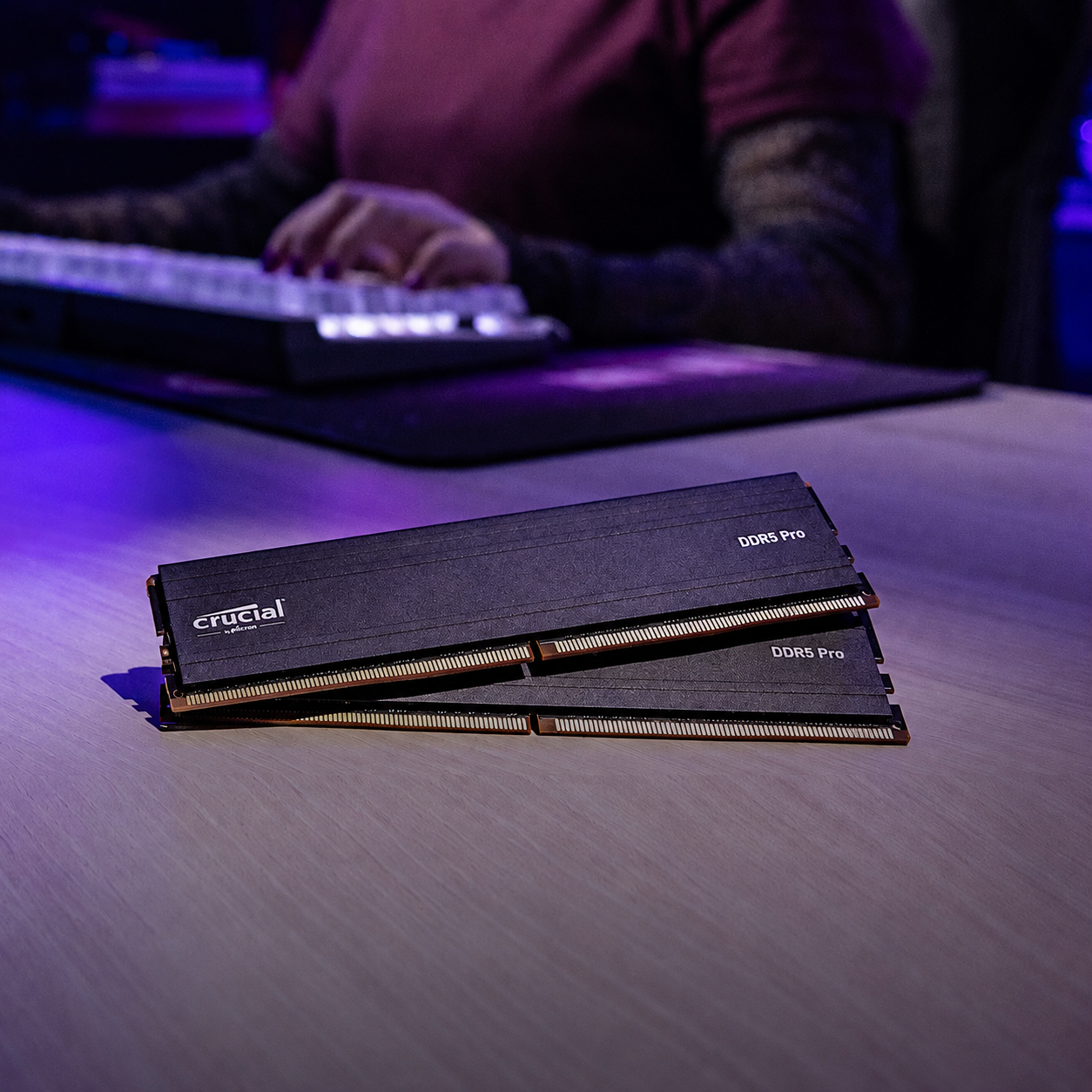
According to a Reddit user, the issue involved a Crucial Pro 128 GB DDR5-5600 kit with two 64 GB modules. The customer claims Crucial initially approved a warranty replacement after one of the modules failed. However, the replacement process later changed direction, and the company allegedly offered a refund based on the original purchase price instead.
That refund amount, $259.99, is where the controversy begins. The same or similar 128 GB DDR5 kit has recently been seen selling for around $1,800, meaning the proposed refund would not come close to covering the cost of buying comparable RAM today.
The situation became even more frustrating for the customer because only one 64 GB stick had reportedly failed. As part of the RMA process, the entire two-stick kit had to be returned, which meant the user also gave up a working 64 GB module. If the returned memory has already been processed or discarded, the customer may be left without the original kit and with a refund that cannot realistically replace it.
The customer reportedly rejected the offer and asked for either an equivalent replacement or enough compensation to buy comparable DDR5 memory at current market pricing. They also requested the original RAM kit back, but Crucial allegedly said it would first need to check whether the hardware was still available.
This is not the first recent complaint involving Crucial warranty claims. Another Reddit user previously described sending in a faulty Crucial 48 GB DDR5 kit and being offered a refund of $241.86, again based on the original purchase price. At the time, a comparable 48 GB DDR5 kit was said to cost around $650. In that case, Micron later changed its response and reportedly sent three 16 GB Crucial Pro DDR5-6400 modules as a replacement.
These disputes are drawing attention because Micron announced the end of Crucial’s consumer memory and storage retail business in December 2025, while also stating that existing product warranties would continue to be honored. The problem is that honoring a warranty through an old purchase-price refund may not feel meaningful if the customer can no longer buy an equivalent product for anything close to that amount.
The issue also echoes a recent warranty debate involving right-to-repair advocate Louis Rossmann and Samsung. Rossmann said a failed 4 TB 990 Pro SSD could not be replaced, and Samsung initially offered a refund close to what he originally paid before SSD prices increased. He argued that if a company cannot replace a product under warranty, it should provide enough money for the customer to buy an equivalent replacement at current prices. The matter was resolved before a lawsuit was filed, with Samsung eventually refunding an amount closer to the drive’s then-current market cost.
The Crucial case raises a broader question for PC builders, gamers, workstation users, and anyone buying high-capacity RAM: what is a warranty worth if a refund cannot replace the failed product?
For buyers, the lesson is clear. When filing an RMA for expensive computer hardware, it may be worth documenting current replacement prices, saving all communication, and asking directly whether the company will provide an equivalent product rather than a purchase-price refund. For manufacturers, these cases show how quickly customer trust can be damaged when warranty support does not match real-world replacement costs.
With DDR5 memory prices shifting dramatically, especially for high-capacity kits like 96 GB, 128 GB, and beyond, warranty policies are likely to face even more scrutiny. Customers do not just want a refund that matches what they paid years ago. They want the product they were promised, or enough compensation to replace it.