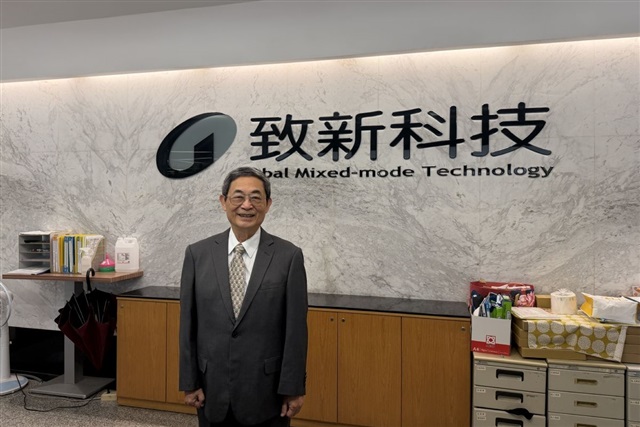
Taiwanese power management IC supplier Global Mixed-mode Technology is preparing to raise prices as the semiconductor industry continues to deal with tight chip supply and shifting capacity priorities.
The company, widely known as GMT, is expected to join other chipmakers in pushing for higher pricing from customers. The move reflects ongoing pressure in the power management IC market, where demand remains strong while available production capacity is still limited.
Power management ICs, or PMICs, are essential components used to control and regulate power in electronic devices. They are found in smartphones, computers, consumer electronics, automotive systems, industrial equipment, and many connected devices. As more products become smarter and more power-efficient, demand for these chips continues to grow.
The current supply situation has made capacity allocation a major issue for chip suppliers and their customers. Foundry space remains valuable, and manufacturers are prioritizing products that can support better margins or stronger long-term demand. This has created room for PMIC suppliers like GMT to renegotiate prices as production costs and demand pressures rise.
Price increases in the PMIC sector could affect a wide range of electronics manufacturers. Since these chips are used across many types of devices, higher component costs may gradually influence pricing strategies throughout the supply chain. Companies that rely heavily on power management chips may need to adjust procurement plans, secure longer-term supply agreements, or absorb additional costs to maintain production stability.
GMT’s expected price adjustment highlights a broader trend in the semiconductor market. While some areas of the chip industry have seen demand cool, specialized components such as power management ICs remain important because they are critical to device performance, battery life, and energy efficiency.
As global electronics demand continues to evolve, chip suppliers with in-demand components are gaining more leverage. For GMT, tighter supply conditions could provide an opportunity to improve pricing while strengthening its position in the competitive PMIC market.
The development also shows that semiconductor supply chain challenges are not limited to advanced processors or memory chips. Smaller but essential components, including power management ICs, continue to play a major role in the cost, availability, and performance of modern electronics.