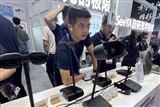
Chinese AI Glasses Startups Gain Speed as Taiwan Races to Keep Up
The smart glasses market is entering a new phase, and the competition is heating up fast. Instead of chasing futuristic concepts that feel too far from everyday use, many brands are now focusing on practical designs, lighter hardware, better comfort, and features that make sense for real consumers.
At the center of this shift is the rise of AI glasses. These wearable devices are no longer just about displaying information in front of the user’s eyes. The newest models are being built around voice interaction, real-time assistance, image recognition, translation, navigation, and hands-free access to digital services. This makes them more useful for daily life, work, travel, fitness, and content creation.
Chinese startups are gaining noticeable momentum in this space. Backed by a strong electronics supply chain, fast product development, and growing investor interest, these companies are moving quickly to launch AI-powered eyewear that targets mainstream users. Their strategy is clear: make smart glasses more affordable, more comfortable, and more interactive.
This rapid progress is increasing pressure on Taiwanese companies, which have long played an important role in the global technology supply chain. Taiwan has deep expertise in semiconductors, displays, sensors, and device manufacturing, all of which are essential for the development of smart glasses. However, as Chinese brands accelerate product launches and capture attention in the wearable AI market, Taiwanese firms are being pushed to move faster and become more innovative.
One of the biggest changes in the smart glasses industry is the shift toward user-friendly design. Earlier smart glasses often struggled because they were bulky, expensive, or lacked clear everyday value. Today’s companies are learning from those challenges. Newer AI glasses are being designed to look closer to normal eyewear while still offering intelligent features powered by artificial intelligence.
Interactivity is also becoming a key selling point. Consumers want devices that can respond naturally, understand context, and support daily tasks without requiring constant touch input. Voice commands, AI assistants, gesture controls, and camera-based recognition are becoming increasingly important. This trend gives startups a chance to stand out by offering smarter software experiences, not just better hardware.
For Taiwanese companies, the opportunity remains significant. As demand for AI wearables grows, Taiwan’s strengths in high-quality manufacturing and component production could help it remain a major player. Companies that can combine advanced hardware with strong software ecosystems may be able to compete effectively in the next wave of smart glasses.
The market is still young, but the direction is becoming clearer. AI glasses are moving from experimental gadgets toward practical wearable devices. Brands that can balance design, performance, battery life, comfort, privacy, and price will have the best chance of winning consumers.
As Chinese startups continue to push aggressively into AI-powered eyewear, the competition across Asia is expected to intensify. Taiwan’s technology sector now faces a critical moment: adapt quickly, build stronger product strategies, and take advantage of its supply chain expertise, or risk losing ground in one of the fastest-growing areas of wearable technology.
The smart glasses race is no longer just about who can create the most advanced device. It is about who can make AI glasses useful, stylish, accessible, and ready for everyday life.