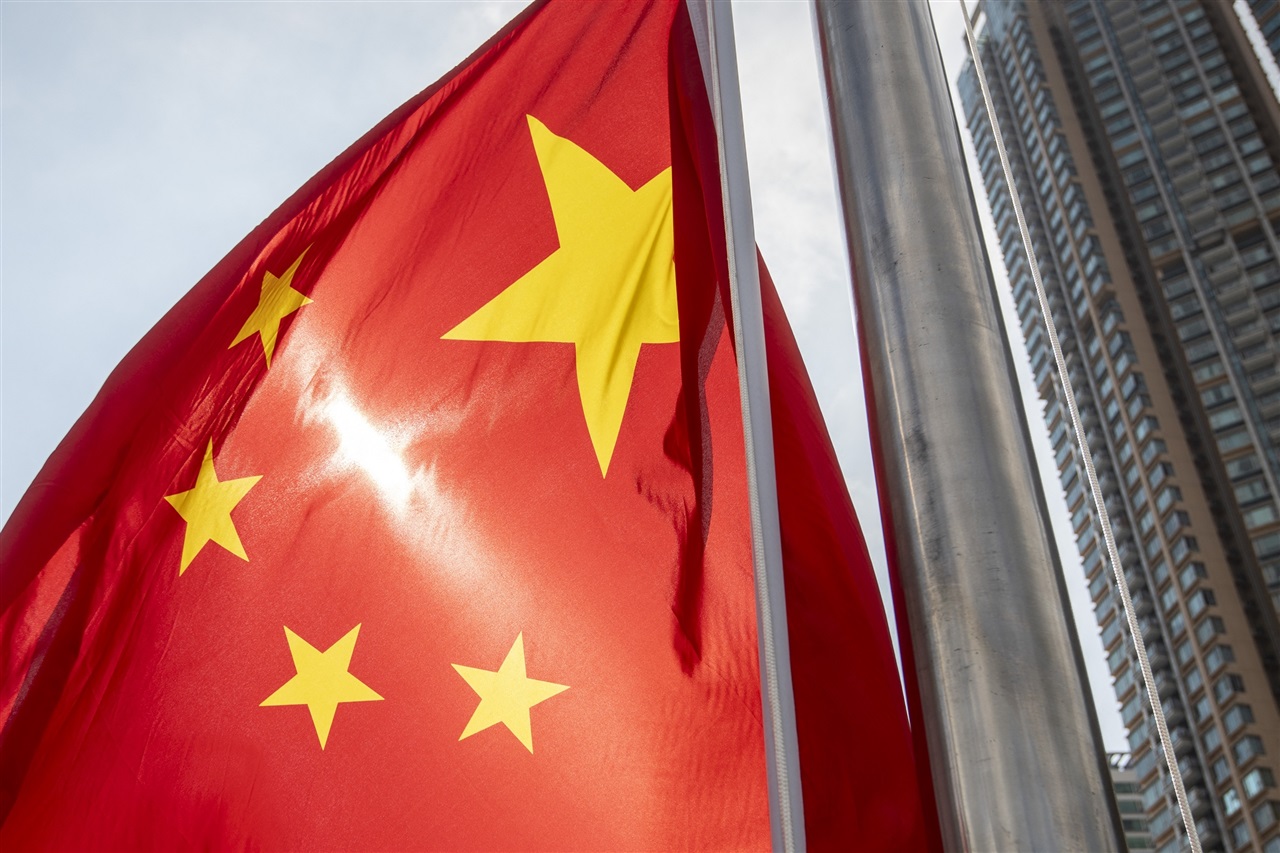
In the latest development on the global trade stage, tensions between the United States and China are heating up once again. On February 1, 2025, the U.S. government announced a 10% tariff on all Chinese exports, attributing this move to concerns over fentanyl-related issues. These new tariffs are set to take effect on February 4, signaling a significant escalation in the trade frictions between the two economic giants.
In a quick response, China’s State Council revealed plans for counter-tariffs ranging from 10% to 15% on U.S. imports, focusing on vital sectors like natural gas, crude oil, and automobiles. China criticized the U.S. tariffs, claiming they breach World Trade Organization regulations and disturb the usual trade balance without effectively dealing with U.S. domestic concerns.
China has also taken additional steps by imposing further duties on U.S. imports, as sanctioned under its Customs, Tariff, and Foreign Trade Laws. These new tariffs, taking effect from February 10, 2025, include a 15% increase on coal and liquefied natural gas (LNG), and a 10% increase on products such as crude oil, agricultural machinery, and various vehicles.
In addition, the State Administration for Market Regulation in China has commenced an antitrust probe into Google, citing breaches of China’s Anti-Monopoly Law. This marks a significant regulatory action alongside the trade measures.
Beijing has urged Washington to tackle its fentanyl crisis in a more constructive manner and to engage in trade discussions grounded in mutual respect. It warned that escalating the trade dispute could endanger the broader economic stability between the two nations.
By broadening its response strategy, China aims to send a clear message about the potential consequences of ongoing trade tensions, urging for a dialog that could foster cooperation rather than conflict. With both countries deeply entwined in global trade systems, the international community watches closely as events unfold, pondering the possible impacts on global economic dynamics.