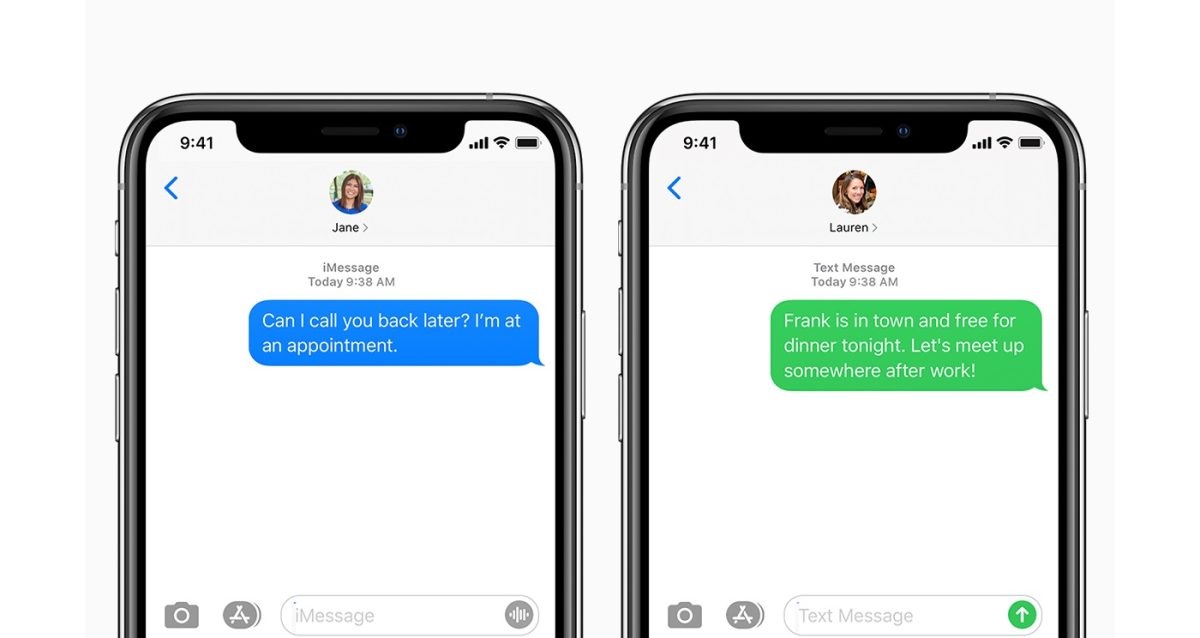
Apple’s initial hesitance to embrace the RCS messaging protocol marked a turning point when they finally adopted it, largely due to persistent nudging from Google. Since then, the number of RCS messages sent daily in the United States has soared to nearly a billion. This dramatic increase underscores the influential role of iPhones in the transition. Google’s relentless campaign for RCS adoption was not without reason. The goal was to rival Apple’s iMessage by creating a universal messaging standard that could enhance the experience across different devices.
Despite the impressive rise of RCS, traditional SMS and MMS still dominate in terms of sheer volume, with over 6 billion messages sent daily in the U.S. This dominance highlights ongoing gaps in carrier support for RCS, particularly on the iPhone.
The iPhone’s popularity in the U.S. meant that Google had a vested interest in pushing RCS, aiming for seamless cross-platform communication. RCS not only facilitates text exchanges but also supports media sharing, voice notes, and reactions—bridging the features gap between Android and iOS users. This push led to RCS gathering a billion monthly users by 2023, with an even more prominent rise expected by 2025.
Currently, Google reports that more than a billion RCS messages are exchanged daily in the United States. This average, calculated over the past 28 days, suggests improved connectivity and communication quality, with users able to share high-resolution photos and videos and maintain stable group chats.
Nonetheless, the complete takeover of SMS and MMS by RCS hinges on broad carrier adoption. Many carriers have yet to update their systems to support RCS fully, especially for iPhone users. When they do, a significant rise in RCS adoption is anticipated. Do you use RCS on your Android device daily? Share your thoughts on how it compares to traditional SMS/MMS in the comments.