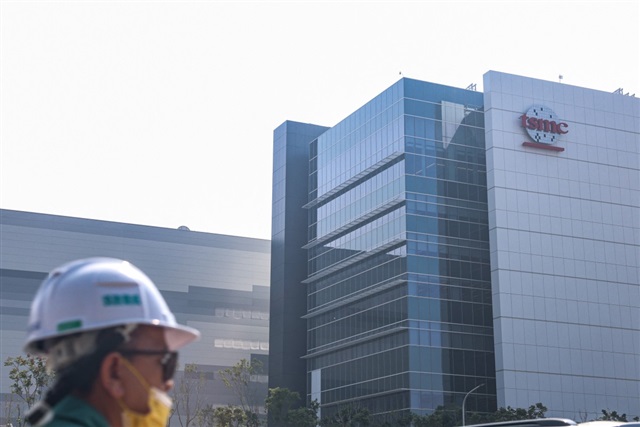
Taiwan Semiconductor Manufacturing Co. (TSMC) has hit a major milestone in its U.S. expansion: its Arizona subsidiary has posted an annual profit for the first time. After years of heavy investment and startup costs, the company’s move into the American desert is beginning to show financial traction—an important signal that the project is shifting from a costly buildout phase to a more sustainable operating reality.
This first profitable year is significant not just for TSMC, but for the broader push to expand advanced semiconductor manufacturing in the United States. Building leading-edge chip capacity outside of Taiwan has been seen as both an economic opportunity and a strategic necessity, especially as global demand for chips continues to rise and supply chain resilience remains a top priority for governments and major tech manufacturers.
TSMC’s Arizona efforts have attracted intense attention because semiconductor fabrication plants are among the most complex and capital-intensive industrial projects in the world. Reaching profitability suggests the subsidiary has made progress in key areas that typically take time to stabilize: operational efficiency, production readiness, workforce scaling, and the ability to manage high fixed costs. For investors and industry watchers, profitability can also be read as a sign that the Arizona operation is moving closer to becoming a long-term pillar of TSMC’s global manufacturing network.
The timing matters, too. The U.S. semiconductor landscape is in the midst of a transformation, with significant efforts to expand domestic chip production and reduce reliance on overseas manufacturing. TSMC’s progress in Arizona supports that goal by demonstrating that advanced chipmaking can move from concept to commercial viability on U.S. soil—even in a region where water, infrastructure, and specialized talent are constant challenges that require careful planning and ongoing investment.
For the local economy, the development is another indication that large-scale semiconductor manufacturing in Arizona isn’t just a construction story—it’s evolving into an operating business with real financial performance behind it. As chip fabrication ramps and supporting supply chains mature, profitability can help reinforce long-term confidence among partners, suppliers, and policymakers who are betting on the region becoming a durable hub for semiconductor production.
In a sector where profitability often arrives only after long lead times, TSMC’s first annual profit for its Arizona subsidiary stands out as a turning point. It suggests the company’s U.S. manufacturing ambitions are starting to translate into results, marking a new chapter in America’s push to strengthen advanced chip production at home.