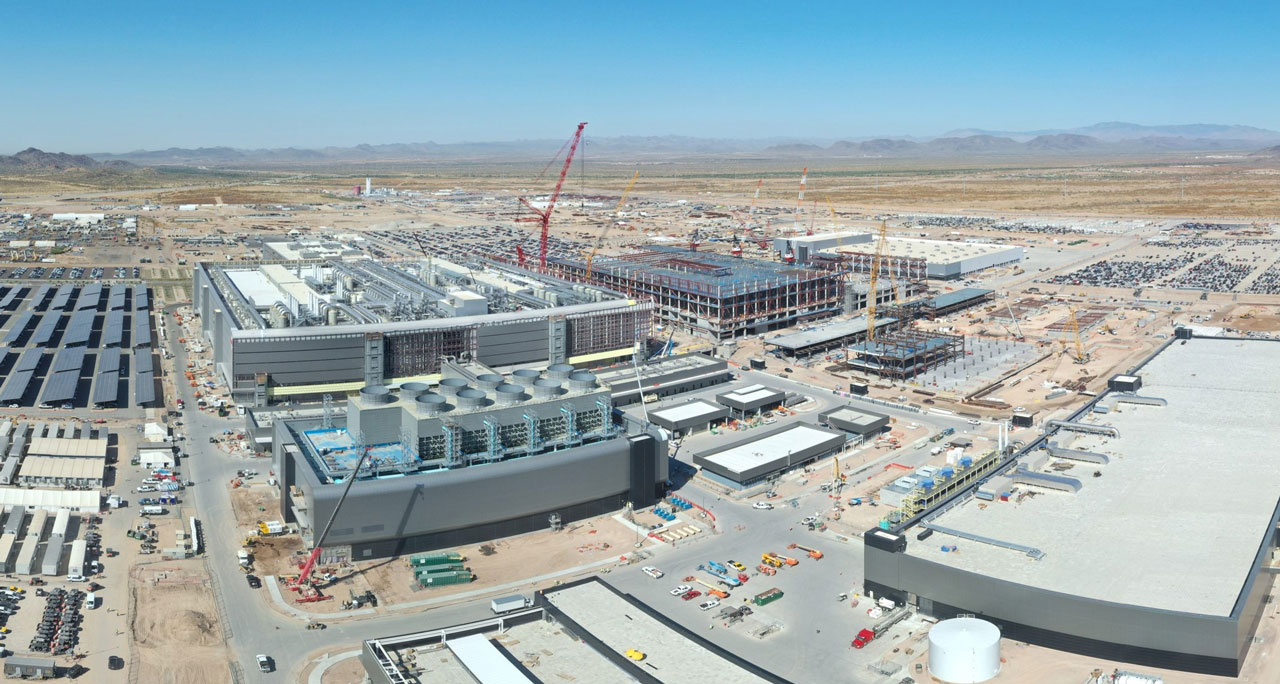
In a significant development from 2020, TSMC, the world’s largest semiconductor manufacturer, earmarked a whopping $65 billion for constructing three state-of-the-art chip-production facilities in Phoenix, Arizona. This strategic initiative was not just about boosting U.S.-based wafer manufacturing but was also meant to create a wealth of job opportunities for thousands locally. However, TSMC now finds itself embroiled in controversy, facing a lawsuit over alleged bias favoring its Taiwanese workforce, sparking accusations of unlawful favoritism.
The tensions began when it was revealed that more than half of the personnel at the Arizona plant hailed from Taiwan, potentially leading to strained workplace dynamics and dipping morale among local staff. According to a report, this lawsuit originated in August when Deborah Howington, a talent acquisition executive at TSMC, filed a complaint in California’s Northern District Court. Alongside Howington, twelve more employees joined the legal battle, all alleging discriminatory practices skewed towards Taiwanese workers.
Morris Chang, TSMC’s founder, attributed the controversy to the apparent shortage of manufacturing talent in the U.S. Currently, there are approximately 2,200 workers based at the Arizona facility, with a significant number from Taiwan. Howington accused TSMC of covertly collaborating with an ‘Asian headhunter’ to recruit Taiwanese talent for U.S. roles, suggesting that these employees might receive more favorable pay in the U.S. compared to Taiwan, thereby exacerbating discontent among American workers.
Daniel Kotchen, an attorney representing the plaintiffs, emphasized the importance of TSMC adhering to U.S. federal discrimination laws, especially after benefiting from $6 billion in federal funding. His law firm has a notable history, having successfully litigated a case against Cognizant for similar favoritism issues involving Indian workers on H-1B visas.
Despite the brewing legal storm, TSMC has remained reserved in its public response. A company spokesperson reiterated TSMC’s strong belief in fostering a diverse workforce, underscoring their commitment to equal employment opportunities irrespective of gender, nationality, or political affiliation.
Adding to the tensions, the lawsuit alleges TSMC’s preference for Mandarin Chinese speakers, leading to operational challenges for English-speaking employees. This language barrier reportedly persisted even during U.S.-based training sessions in Taiwan, where some workers were encouraged to learn Mandarin via language apps. The plaintiffs also brought to light concerns over better performance reviews and job prospects for Taiwanese workers in the U.S. and exclusive healthcare benefits unobtainable by American staff, potentially involving unlicensed medical practitioners.
As TSMC faces these serious allegations, its standing as the preeminent semiconductor firm may be under threat in the critical U.S. market. Whether the company will swiftly rectify these issues remains to be seen, but such developments could undeniably influence its future business relations with the United States.