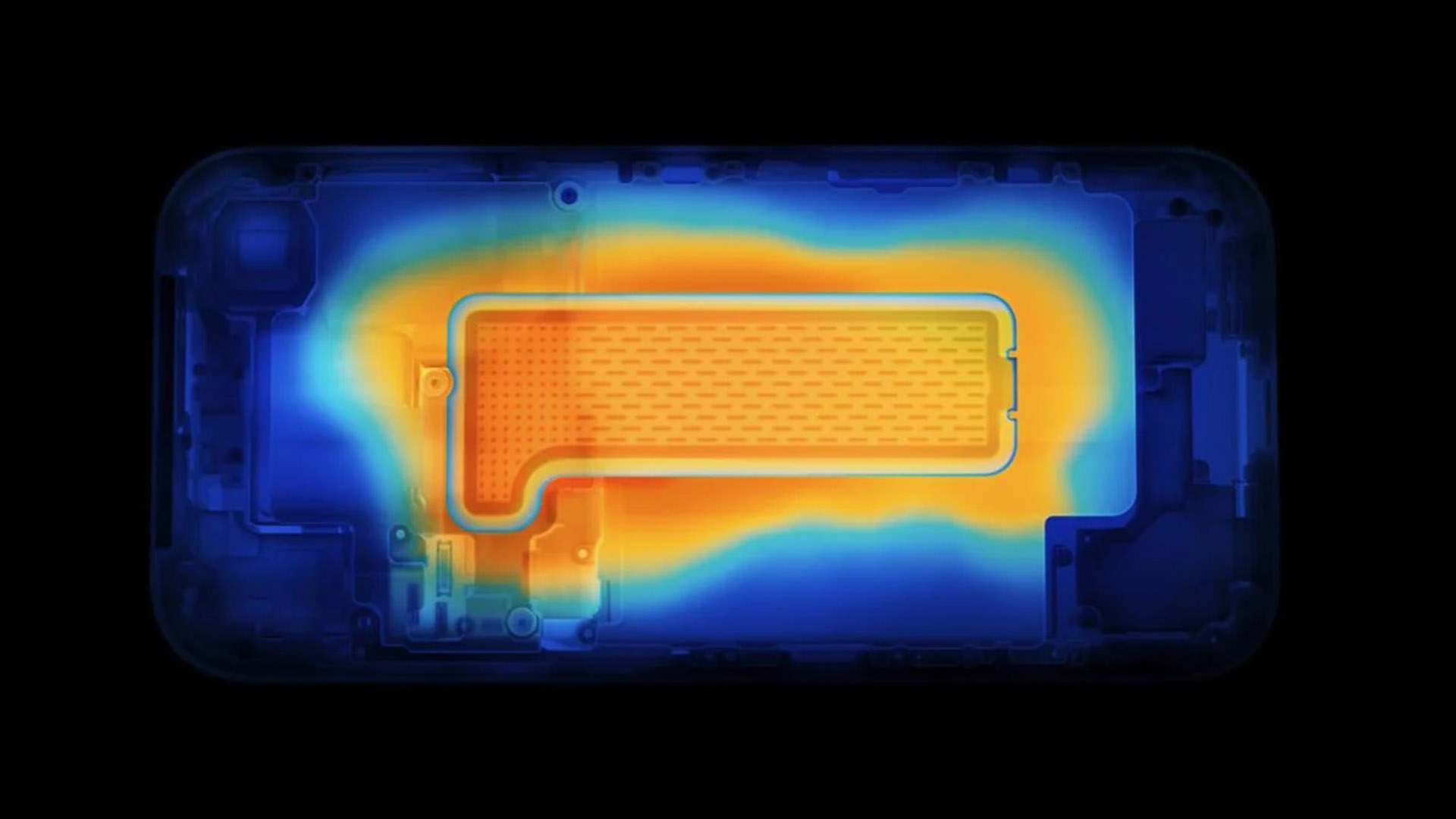
Smartphone Chips Are Getting Too Hot, and Better Cooling May Be the Next Big Battle
Smartphone processors are now powerful enough to run demanding apps, console-style games, advanced AI features, and high-end camera processing that would have seemed impossible just a few years ago. Every new flagship chip promises faster speeds, higher benchmark scores, and smoother gaming performance.
But there is a growing problem hiding behind those impressive numbers: heat.
As mobile chipsets become more powerful, they are also becoming harder to cool inside thin smartphone bodies. Performance is improving quickly, but power consumption and temperature control are becoming major challenges for phone makers. The result is a new thermal limit that could shape the future of flagship smartphones.
Recent testing and user reports suggest that even premium devices with vapor chamber cooling can struggle when pushed hard for long periods. That matters because sustained performance is what users actually feel during gaming, video editing, AI processing, and other heavy workloads.
The problem with modern smartphone cooling
A smartphone is not a laptop. Even though some flagship mobile chips can reach power levels that would not look unusual in a notebook computer, phones have far less room to manage heat.
Some next-generation chipsets have reportedly reached peak power levels around 30W under stress. In a laptop, that may be manageable with larger heatsinks and active fans. In a slim smartphone, however, that amount of heat is difficult to move away from the processor without making the device uncomfortable to hold.
Vapor chambers have become one of the most common cooling solutions in high-end phones. They help spread heat across a larger surface area, reducing hot spots and improving short-term performance. But even vapor chambers have limits. When a processor continues to draw high power for an extended period, heat builds up faster than the phone can release it.
That is when thermal throttling begins.
Thermal throttling happens when the chip reduces its performance to prevent overheating. This protects the device, but it also means users may see lower frame rates, reduced benchmark scores, slower processing, and even automatic display dimming during heavy use.
Why benchmark performance can be misleading
Many flagship phones deliver excellent results in short benchmark runs. The first test often looks impressive because the chip boosts to a high power level for a limited time. Apps open quickly, games load fast, and initial performance appears outstanding.
The issue appears during longer stress tests. When demanding workloads continue, the phone’s cooling system becomes overwhelmed. Scores begin to drop, gaming performance becomes less stable, and the device may feel noticeably warm.
This is why sustained performance is becoming more important than peak performance. A chipset that performs extremely well for one minute but slows down heavily after five or ten minutes may not deliver the best real-world experience.
Modern smartphone chips are often designed to briefly operate around 15W or higher to complete tasks quickly. But a thin smartphone body may only be able to comfortably dissipate around 6W of heat over time before surface temperatures become unpleasant. That gap between peak power and sustainable cooling is the heart of the problem.
Gaming phones are taking a more aggressive approach
Some gaming-focused smartphone brands are already experimenting with more extreme cooling systems. Certain devices include active fans, liquid cooling concepts, and internal designs built specifically to keep powerful chips cooler for longer.
This approach makes sense for gaming phones, where buyers may accept extra weight, thicker designs, and more aggressive styling in exchange for better performance. Chips such as Qualcomm’s latest flagship platforms can reportedly reach power levels in the 20W to 24W range under heavy stress, making advanced cooling extremely useful.
However, mainstream brands face a tougher challenge.
Companies that focus on slim, elegant, and minimalist designs cannot easily add visible fans, bulky cooling loops, or thicker bodies without changing the identity of their products. For premium phones aimed at a broad audience, comfort, weight, battery size, camera layout, and durability all compete for the same internal space.
That means the solution cannot rely only on bigger cooling hardware. Chip efficiency has to improve too.
Efficiency may matter more than raw speed
The next stage of smartphone performance may not be about pushing clock speeds higher. Instead, the real breakthrough could come from making chips do more work while using less power.
Advanced manufacturing nodes, such as 2nm technology, are expected to improve power efficiency. Smaller and more advanced chip designs can reduce energy waste, improve transistor performance, and help processors run cooler. But manufacturing alone is not enough.
Architecture is just as important.
Apple has been placing heavy emphasis on efficiency, especially with its performance and efficiency core designs. The A19 Pro is said to improve efficiency-core performance significantly compared with the previous generation while keeping power draw nearly unchanged in some workloads. That suggests Apple is working to increase real-world speed without dramatically raising heat output.
Qualcomm, on the other hand, appears to be pushing performance more aggressively. Rumors surrounding future Snapdragon chips point to very high clock speeds, potentially reaching around 5.00GHz in testing. While that could improve peak performance, it may also increase power consumption and heat if not carefully managed.
This creates a clear divide in strategy. One path focuses on reducing power draw and maximizing efficiency. The other pushes higher frequencies to win performance comparisons. For smartphones, the efficiency-first approach may become increasingly important as thermal limits tighten.
Samsung is also exploring new cooling ideas
Samsung is working on new ways to improve heat transfer in mobile chips. One example is Heat Pass Block technology, which places a copper heatsink over the silicon die to help move heat more effectively. This design also changes the placement of memory, moving the DRAM chip to the side rather than stacking it directly on top of the processor die.
That kind of layout can help reduce heat concentration and improve thermal behavior.
Samsung is also said to be developing side-by-side cooling architectures that may improve memory bandwidth by 30 to 40 percent while helping with sustained performance. Future Exynos chips could benefit from these changes if the technology reaches mass production successfully.
These developments show that phone makers and chip designers understand the problem. The industry is no longer only chasing higher benchmark scores. It is also trying to solve the physical limitations of heat inside compact devices.
Could smartphones become thicker again?
One obvious solution would be to make phones thicker. A thicker body could allow for larger vapor chambers, better heat spreaders, bigger batteries, and more advanced internal cooling.
But there is a limit.
Thicker phones are usually heavier. Heavier phones can be less comfortable to hold, especially during long gaming sessions or one-handed use. Bigger cooling systems also compete with camera modules, battery capacity, wireless charging coils, speakers, and other components.
Smartphone brands know that most buyers still want sleek designs. A phone that performs well but feels bulky may not appeal to mainstream users. As a result, manufacturers have very little room to simply make devices larger.
That is why future progress will likely come from a combination of smarter chip architecture, better manufacturing processes, improved heat transfer materials, and more efficient software optimization.
The future of flagship phones depends on thermal innovation
The smartphone industry is approaching a thermal wall. Chips are becoming incredibly powerful, but slim devices cannot endlessly absorb more heat. Vapor chambers help, but they are not magic. Active fans and liquid cooling may work for gaming phones, but they are unlikely to become standard in every premium device.
This means the next major smartphone battle may not be about which chip has the highest peak score. It may be about which phone can maintain strong performance without overheating, dimming the display, draining the battery, or becoming uncomfortable to hold.
For users, this shift is important. The best flagship phone will not simply be the one that is fastest for a few seconds. It will be the one that stays fast, cool, and efficient during real use.
As mobile gaming, AI processing, advanced photography, and on-device computing continue to grow, thermal management will become one of the most important parts of smartphone design. The companies that solve this problem first could define the next generation of premium mobile devices.