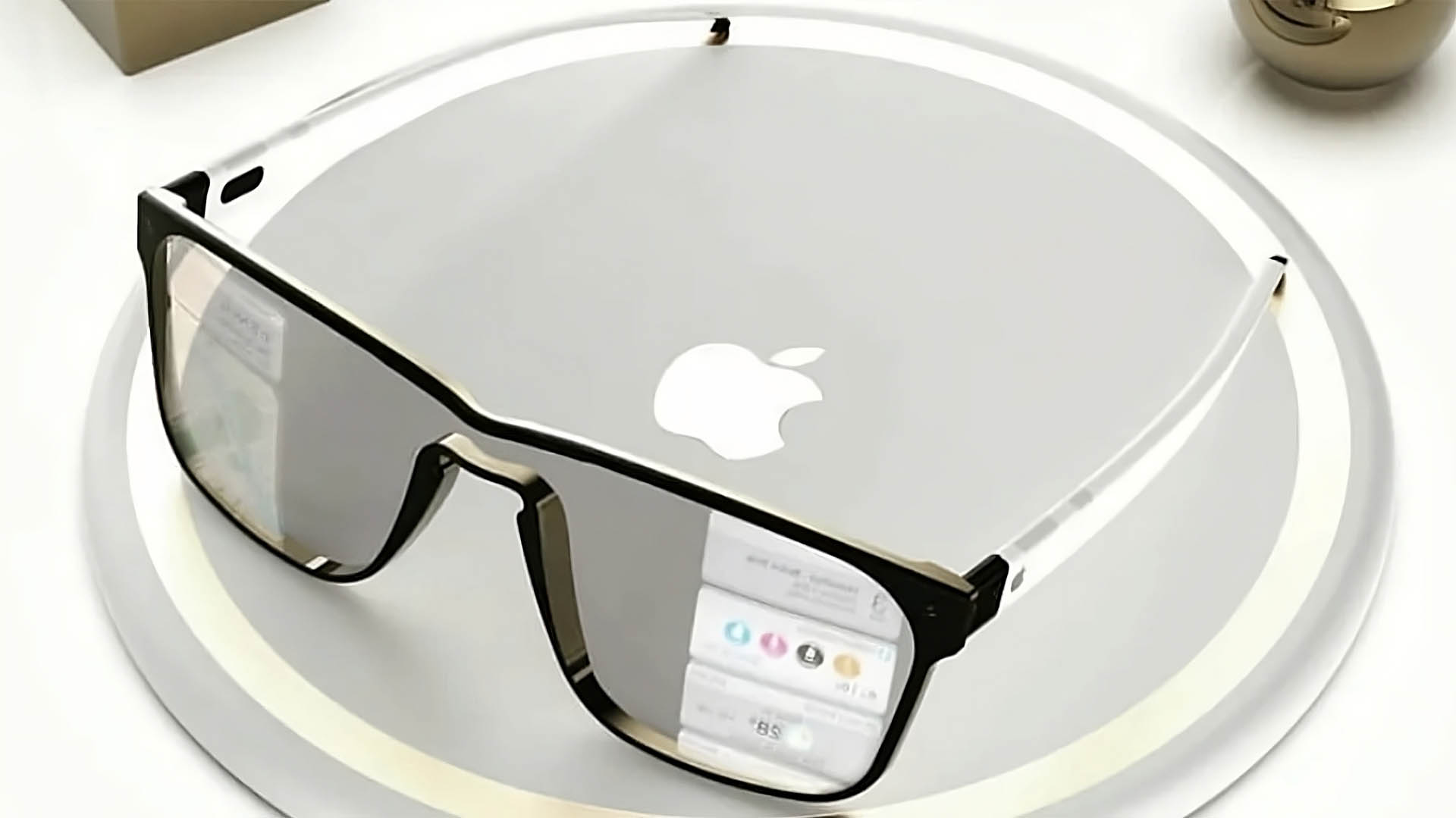
Apple’s journey into the world of augmented reality (AR) glasses is taking a turn towards caution and calculated development. Initially, the tech giant had plans for a version of these glasses that would connect to an iPhone to handle some of the processing power. However, those plans have been shelved in favor of creating a standalone product that promises greater functionality without needing a secondary device. While this may delay the product’s release by a few years, Apple aims to avoid a misstep and prioritize quality and innovation.
At the helm of this cautious approach is John Ternus, the new leader of Apple’s Vision Products Group. He’s determined to ensure that when Apple’s AR glasses do hit the market, they are met with success and approval. This is a lesson learned from the Apple Vision Pro, a technically impressive product that, unfortunately, did not achieve widespread consumer acceptance. The limited projection of just 500,000 units shipped in 2024 indicates that even the most advanced technology must resonate with users.
The ultimate goal for Apple is to develop glasses powered by a standalone system, likely running on a version of visionOS. However, the main obstacle remains the hardware. The glasses require a chip that matches the performance of an A18 or A18 Pro while using significantly less power to maintain a compact design and adequate battery life. Current technological limitations haven’t yet provided this capability, as Apple’s partner, TSMC, is still developing more efficient processes.
Apple’s meticulous method reflects its commitment to innovation, and while the wait may be longer than anticipated, it’s aimed at delivering a refined, successful product. When Apple finally showcases its AR glasses, excitement and anticipation among tech enthusiasts are sure to peak. The future of AR holds great potential, and Apple is setting the stage for an exciting technological breakthrough.