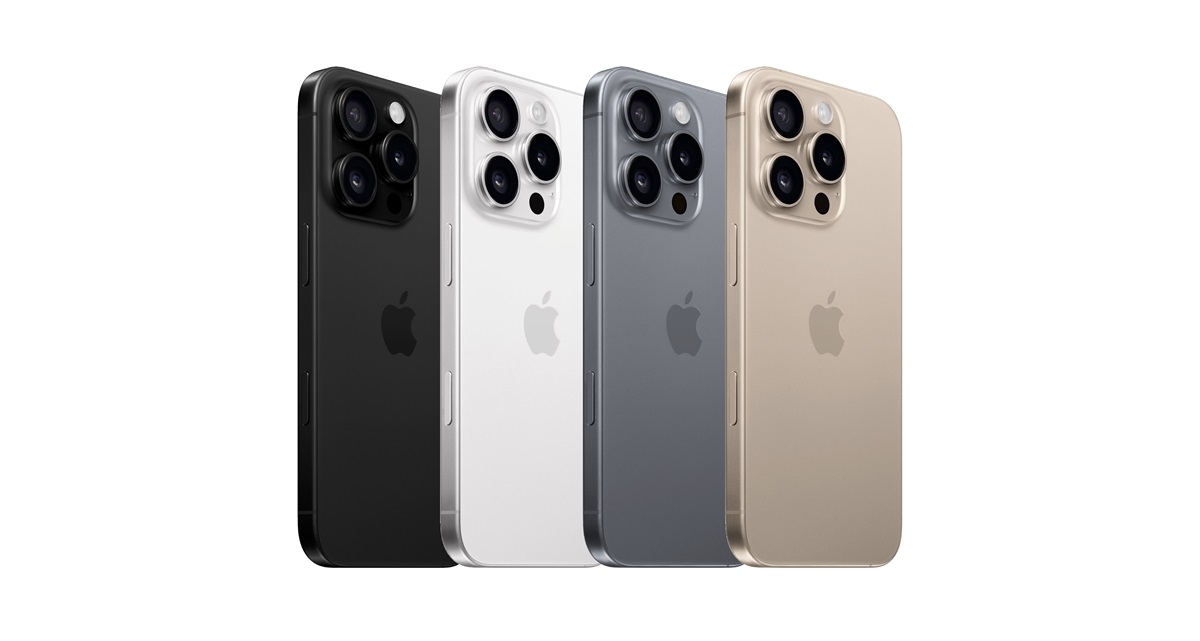
Apple has always been at the forefront of technology, consistently enhancing the iPhone experience with each new iteration. Historically, iPhones have been designed to stay relevant for several years, minimizing the need for yearly upgrades. Over the past few years, many users have chosen to hold onto their iPhones for over two years, as the incremental updates between models seemed only marginal. However, this trend appears to be reversing, with more frequent upgrades beginning to take place. So, what’s driving this change?
Recent analysis reveals that the rate at which users upgrade their iPhones is accelerating. Data up to December 2024 indicates that a significant 36% of people who purchased new iPhones had used their previous model for just two years or less. This marks an increase from the prior year’s 31%. Meanwhile, 33% of users preferred to hang onto their older iPhones for at least three years.
Several factors may be influencing this shortened upgrade cycle. One compelling reason could be Apple’s introduction of Apple Intelligence, a feature exclusive to newer models such as the iPhone 15 Pro and subsequently, the iPhone 16 series. This technology, unveiled last September, potentially provides enough appeal for users to consider upgrading earlier than they might have planned.
Moreover, carrier promotions and other incentives further entice users to transition to the latest models sooner. Despite these influences, it’s worth noting that Apple’s overall iPhone sales have seen a downward trend, hinting at possible variances between tech enthusiasts eager to upgrade and more general consumers.
While the reasons for this shift are multifaceted, Apple Intelligence emerges as a significant catalyst potentially altering the traditional iPhone upgrade timeline. As updates unfold, it will be interesting to see how this trend develops and what further impact it may have on future iPhone releases. Stay tuned for more insights as additional information becomes available.