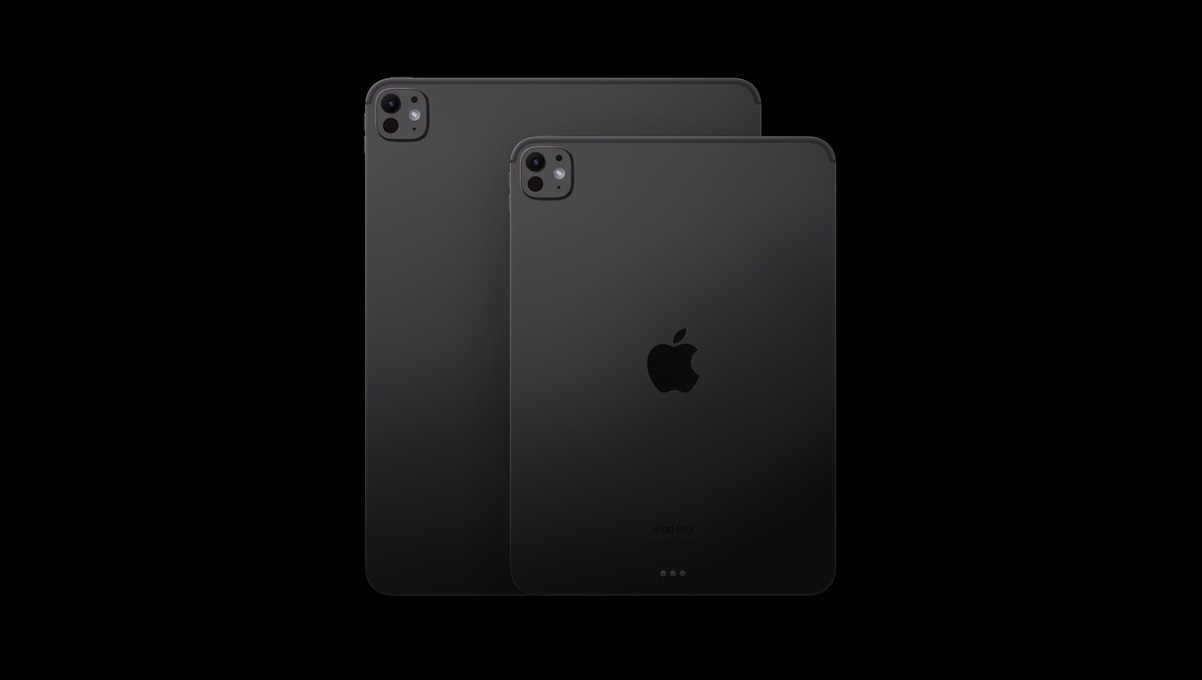
Apple is evolving the iPad’s design, reflecting its ambition to position the device as a true computer replacement. The iPad, traditionally used in a portrait orientation, now seems set to embrace a landscape-centric future. This shift is noticed in Apple’s tendency to redesign not only the hardware of the iPad but also its iconic Apple logo positioning.
In the ongoing journey of the iPad, especially since the introduction of the powerful iPad Pro line, Apple has been subtly nudging its usage from a portrait handheld device to something more akin to a laptop. The company has previously shown its flexibility by rotating the Apple logo on its MacBook products and may be considering a similar change for the iPad.
The launch of new iPad models, including those equipped with M2 and hypothetical M4 chips, marks a shift in design—the repositioning of Face ID and front-camera components to the device’s side. This indicates that Apple is encouraging users to embrace landscape mode usage, which aligns with how most users naturally interact with the device, especially when paired with accessories like the Magic Keyboard.
In a recent interview with Numerama, a French publication, Apple’s team discussed the newest iPad Pro and iPad Air releases. Senior Apple executives highlighted that landscape mode is becoming the norm for how the device is used, and it makes sense for navigational elements like Face ID to follow suit. Product designer Molly Anderson suggested that the iPad’s Apple logo could potentially shift to support this landscape orientation, stating that Apple is considering such a move.
Already, users will notice that the Apple logo appears in landscape mode during the device’s boot-up sequence, indicating an intentional decision to prompt the landscape use case. This detail aligns with Apple’s broader vision of transforming the iPad into a machine that can stand in for a computer.
While these modifications are indicative of a design ethos in some iPad models, it remains to be seen if the iPad mini will undergo similar changes. Given its smaller size and the common use of the iPad mini in portrait mode, the impact of a landscape-focused redesign could vary for different models within the iPad family. At this stage, these discussions represent plans for the future, with no confirmed release timelines for such design updates.
By embracing a landscape-centric design, Apple is reinforcing the iPad’s status as a multi-functional device, challenging conventional perceptions of tablets and further blurring the line between tablet and computer. Users may expect to see these ergonomic and orientation adjustments extend across the iPad range as Apple continues to innovate and redefine user experience.
**Share this story on social media platforms like Facebook and Twitter to encourage further discussion about the continuously evolving design of Apple’s iPad and its position as a computer substitute.**