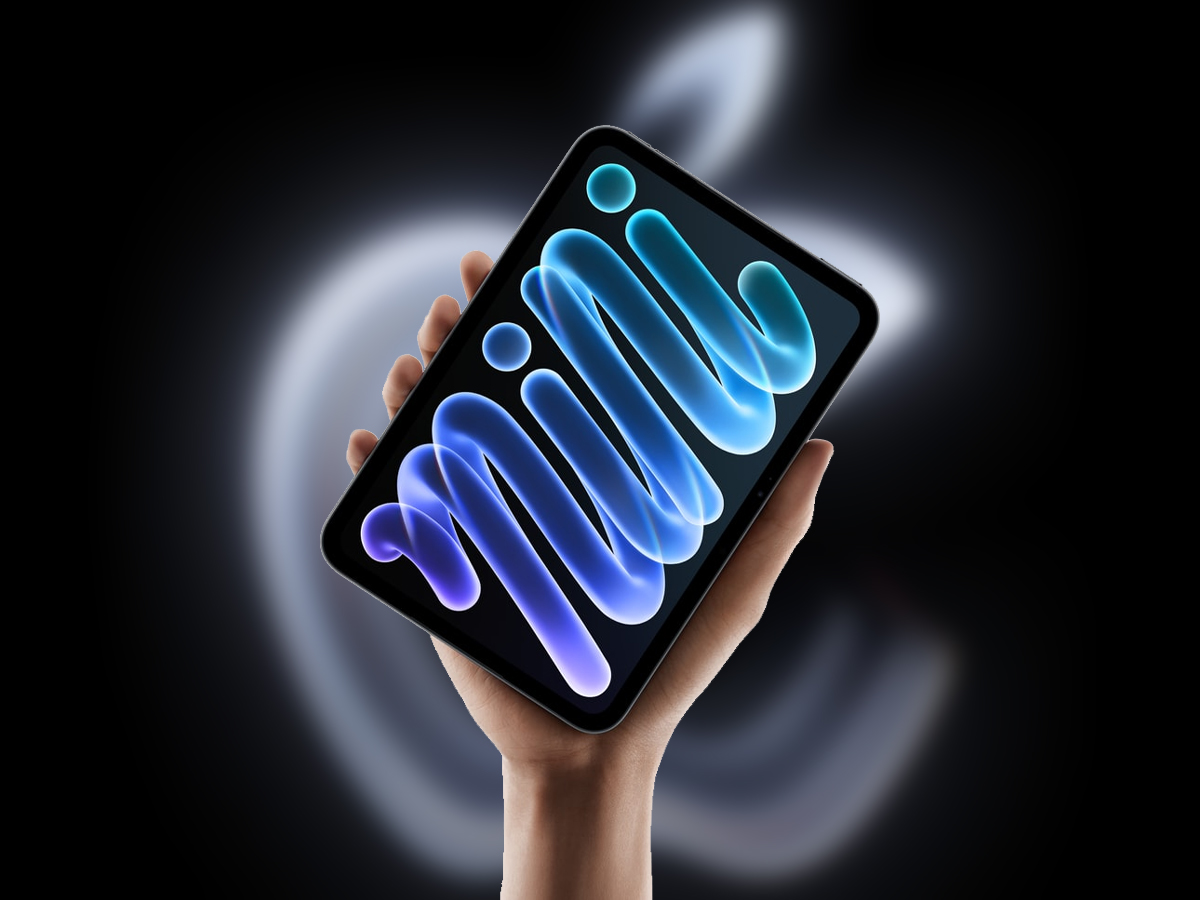
Apple’s new iPad mini 8 brings OLED display and slimmer design, but with a smaller battery
Apple has refreshed its compact tablet lineup with the new iPad mini 8, and this update brings several meaningful upgrades over the previous generation. The biggest change is the move to an OLED display, giving the small iPad a brighter, sharper, and more vibrant screen than the IPS panel used before.
For users who want a portable tablet for streaming, reading, browsing, gaming, note-taking, or travel, the iPad mini 8 looks like a more premium option than ever. However, there is one trade-off hidden behind its thinner and lighter design: a slightly smaller battery.
The new iPad mini 8 features an OLED panel with improved brightness and higher pixel density, which should make text, images, and videos look crisper on the compact screen. OLED technology also brings deeper blacks and better contrast, making the tablet more appealing for media consumption.
That said, one detail may disappoint some users. Despite the display upgrade, the iPad mini 8 still has a 60Hz refresh rate. Many modern tablets and smartphones now offer 90Hz or 120Hz panels for smoother scrolling and animations, so the lack of a higher refresh rate may feel like a missed opportunity, especially for a premium compact device.
Performance should be one of the iPad mini 8’s strongest areas. Apple has equipped the tablet with the A20 Pro chip, making it a powerful device for its size. The new processor should deliver faster app performance, improved gaming capabilities, better multitasking, and stronger long-term software support.
The design has also been refined. Apple says the iPad mini 8 measures just 5.4mm thick, making it noticeably slimmer than the previous model, which was 6.3mm thick. It is also lighter, weighing 0.56 pounds compared to 0.65 pounds for the last-generation version.
Those changes should make the tablet easier to hold for long reading sessions, more comfortable to carry in a bag, and better suited for one-handed use. For a device built around portability, the thinner and lighter body is a welcome improvement.
However, the more compact design appears to have affected battery capacity. Regulatory information required for the European market reveals that the iPad mini 8 comes with a 4,900mAh battery. That is slightly smaller than the 5,034mAh battery used in the iPad mini 7.
On paper, this is a battery downgrade. But the practical impact may not be significant. Apple still claims the iPad mini 8 can deliver up to 10 hours of battery life for video playback or web browsing, matching the previous model’s rated endurance.
This could be due to a combination of improved power efficiency from the A20 Pro chip and the OLED display. OLED screens can be more efficient in certain scenarios, especially when displaying darker content, because individual pixels can turn off completely to produce true black.
The real-world battery performance remains to be seen, as the iPad mini 8 is currently available for pre-order and has not yet reached most users. Once buyers begin testing it in daily use, it will become clearer whether the smaller battery makes any noticeable difference.
Overall, the iPad mini 8 looks like a strong upgrade for fans of small tablets. It brings a better display, faster performance, a slimmer build, and a lighter body while keeping Apple’s claimed battery life unchanged. The only major drawback is the continued use of a 60Hz screen, which may be disappointing for users hoping for a smoother display experience.
For those looking for a compact iPad with premium performance and an OLED display, the iPad mini 8 could be one of the most attractive small tablets available. But anyone upgrading mainly for battery life may want to wait for real-world reviews before making a decision.