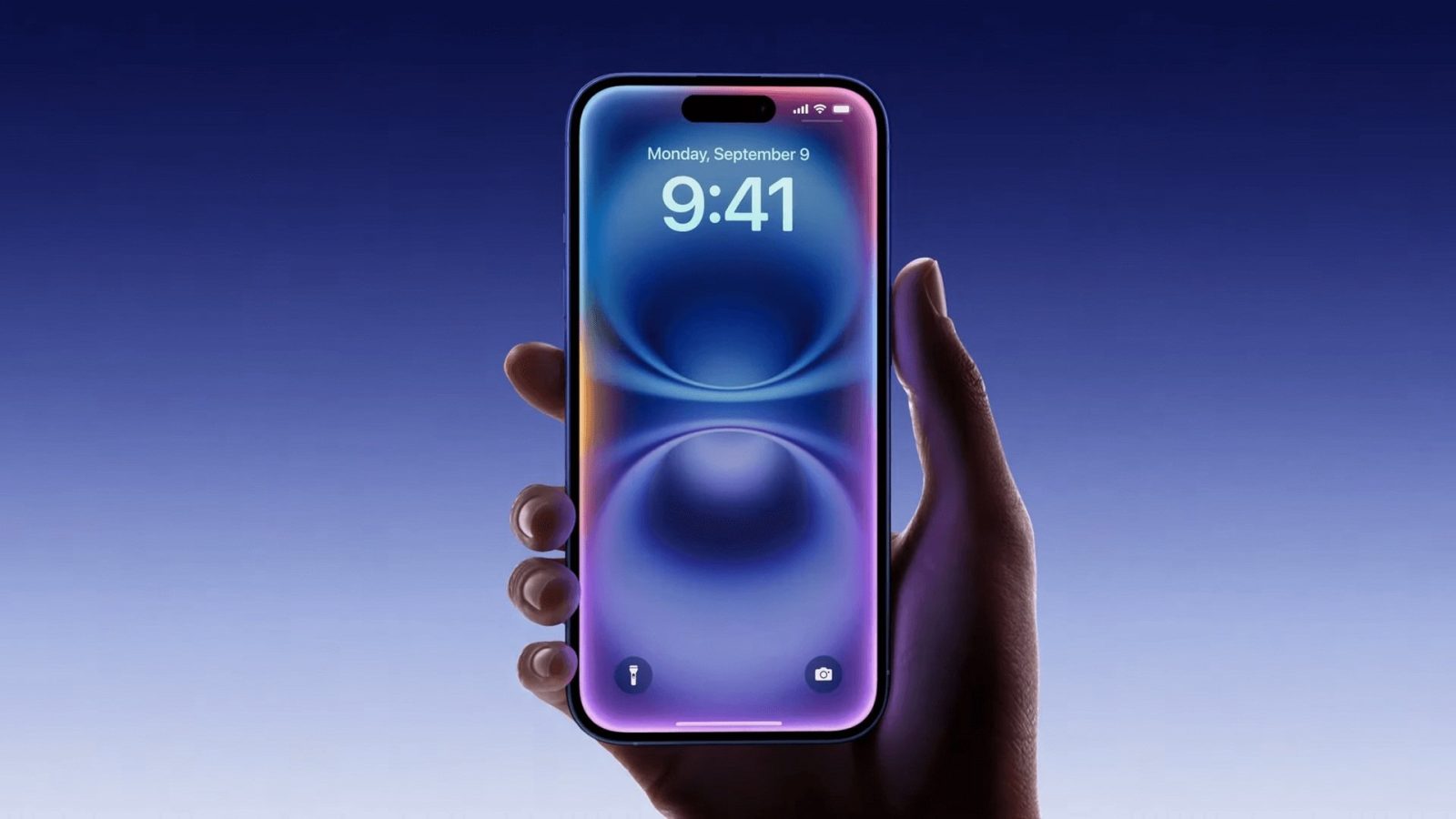
Apple’s AI Strategy Could Turn a Weakness Into a Major Advantage
Apple has often been criticized for moving more slowly than rivals in artificial intelligence, especially when compared with companies spending enormous sums on AI infrastructure. But that perceived weakness may actually become one of Apple’s biggest advantages.
According to Evercore ISI analyst Amit Daryanani, Apple may be in a strong position precisely because it does not need to match the massive capital spending of other major technology companies. While many industry giants are pouring billions into data centers, chips, and large-scale AI infrastructure, Apple appears to be taking a more selective and ecosystem-driven approach.
The idea is simple: Apple may be able to benefit from AI without needing to build everything itself.
Daryanani believes Apple still has several powerful growth drivers that could support the company over the coming years. One of the most important is its deeply integrated ecosystem. The iPhone, Mac, iPad, Apple Watch, AirPods, and services all work together in a way that keeps users engaged and makes switching to a competing platform less attractive.
That ecosystem is also closely tied to Apple’s fast-growing services business. Revenue from subscriptions, cloud storage, payments, apps, entertainment, and other digital services continues to play a larger role in Apple’s overall financial performance. A healthier services mix gives Apple more recurring revenue and helps reduce its reliance on hardware upgrade cycles.
Another key factor is the continued premiumization of the iPhone. The expected arrival of a higher-end iPhone Ultra could push Apple’s average selling price higher, especially among customers willing to pay more for advanced features, better cameras, improved displays, and premium materials. If Apple can successfully position the iPhone Ultra as the ultimate flagship device, it could unlock another layer of profit growth.
Apple is also expected to benefit from upcoming product launches, including the iPhone 17 lineup. Despite a difficult macroeconomic environment, the company may continue gaining market share in China, one of the most important smartphone markets in the world. At the same time, a more affordable MacBook Neo could help Apple compete more aggressively in the budget laptop segment, potentially bringing more users into the Mac ecosystem.
But the most interesting part of Apple’s future may be artificial intelligence.
Instead of trying to outspend rivals in the AI race, Apple appears focused on bringing AI features directly into its devices and software in a way that feels useful, private, and deeply integrated. The upcoming iOS 27 update is expected to introduce a broader set of AI-powered tools, including major improvements to Siri.
Apple’s approach seems less about winning a headline-grabbing AI arms race and more about making AI practical for everyday users. Rather than building every model internally, Apple could rely on carefully selected outside AI models for certain cloud-based features while continuing to control the user experience.
That strategy could be especially important for the future of Siri. A more advanced, chatbot-style Siri powered by a tailored AI model could finally make Apple’s virtual assistant feel modern and competitive. If Apple can combine stronger AI capabilities with its privacy-focused brand and seamless device integration, Siri could become far more useful across the iPhone, Mac, iPad, and other Apple products.
This is where Apple’s AI strategy becomes particularly compelling. AI models are becoming increasingly commoditized, meaning the underlying technology may become less unique over time. If that happens, the real value may not come from owning the biggest AI model, but from having the best platform to deliver AI to users.
Apple already has that platform.
With hundreds of millions of active devices around the world, Apple can introduce AI features at massive scale almost instantly through software updates. The company does not necessarily need to spend as aggressively as cloud infrastructure giants because its strength lies in the relationship it has with users, the loyalty of its customer base, and the premium nature of its hardware and software ecosystem.
In that sense, Apple’s decision to use external AI models when needed is not unusual. The company already sources key components from partners across its supply chain while still delivering products that feel unmistakably Apple. The same logic could apply to AI. Apple can choose the best available models, customize them for its needs, and deliver them through its own software experience.
This gives Apple significant flexibility. If one AI model becomes better than another, Apple could potentially adapt and use the strongest option available. That is very different from being locked into a single in-house AI system that may require constant and costly investment to remain competitive.
For investors and Apple users alike, the bigger question is whether the company can turn this AI optionality into real monetization. AI could strengthen iPhone upgrade demand, improve services revenue, make Siri more valuable, and create new premium software experiences over time. It could also make Apple devices feel more personal, more intelligent, and harder to leave.
Apple may not be trying to dominate AI through brute-force spending. Instead, it appears to be betting that the combination of smart partnerships, powerful hardware, trusted software, and a loyal ecosystem will be enough to capture the benefits of artificial intelligence without taking on the same level of financial risk as its rivals.
If that strategy works, Apple’s slower start in AI may not matter nearly as much as critics once thought. The company’s real advantage may be that it does not need to win the AI infrastructure race to make AI profitable. It only needs to make AI work better for the people already using its products every day.