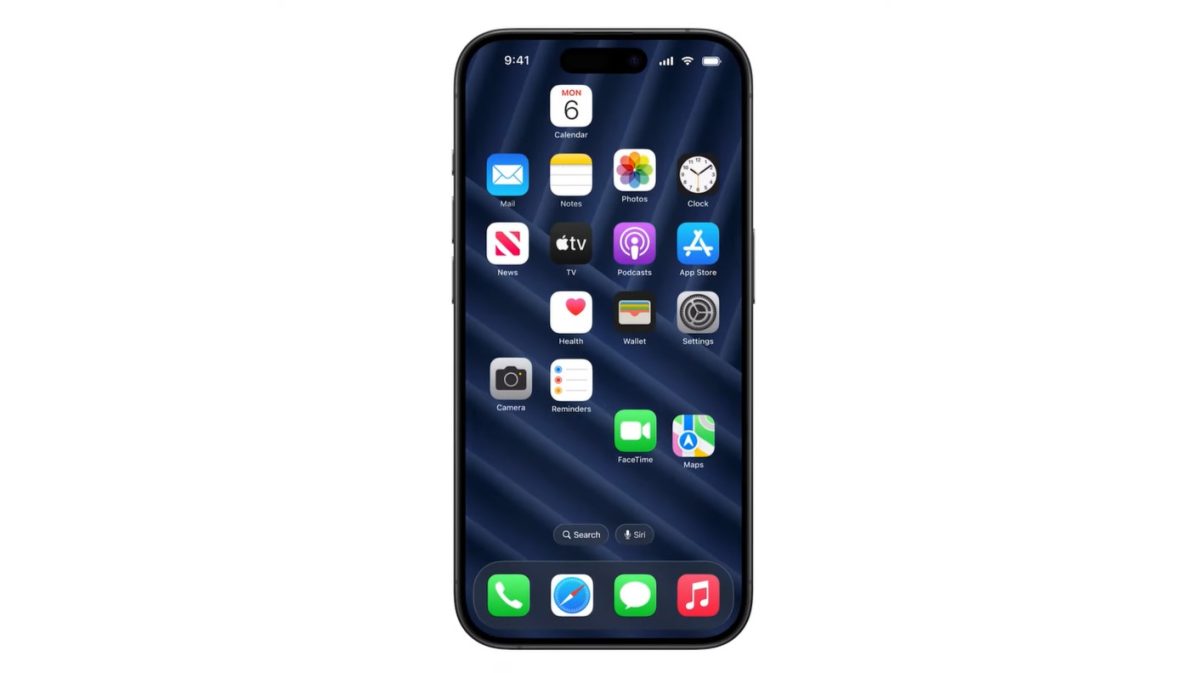
As generative artificial intelligence (AI) gains momentum across various sectors, Apple is carefully weaving this revolutionary technology into its ecosystem. With a user-centric approach, the tech giant is set to introduce advanced AI features in its upcoming iOS 18 update. However, unlike its competitors, Apple is emphasizing user choice by providing these capabilities as an opt-in service to stave off potential controversies.
Apple’s decision to cautiously roll out AI in iOS 18 is a response to the growing public expectation for sophisticated AI functionalities on their devices. To achieve this leap in technology, Apple has reportedly been in discussion with major AI-driven companies like OpenAI, intending to enhance its virtual assistant, Siri, and develop its unique AI chatbot.
However, Apple’s strategy diverges from the norm by insisting on user consent before enabling advanced AI features. This opt-in service approach seeks to build trust among users by giving them the autonomy to decide whether they wish to engage with the AI chatbot. Such transparency is a tactical move by Apple, which aims to mitigate the reputational risks associated with potential AI errors or lapses in judgment that could lead to a “rogue chatbot” scenario.
The innovative move also demonstrates how Apple is prioritizing its reputation and user satisfaction over the rapid deployment of AI features. By introducing these services as optional, Apple positions itself as a responsible tech leader that values consent and respects users’ preferences.
Anticipated to be a competitor to the likes of Google Assistant and Amazon Alexa, Apple’s AI-powered Siri is gearing up for a significant evolution with iOS 18. While excitement grows around these developments, it’s essential to remember that early iterations may come with teething issues as part of the adaptive journey in AI integration.
Apple’s foray into generative AI through a consent-based model not only addresses user concerns but also contributes to the broader conversation on ethical AI use. Users interested in leveraging the potential of AI can do so on their terms, with the reassurance that they retain control over their digital experiences.
As we await more details on the capabilities and implications of Apple’s AI chatbot, this strategy of choice and caution serves as a reminder of the delicate balance companies must strike while navigating the frontiers of emerging technologies.
In light of the upcoming AI features, users are encouraged to stay informed on the developments and make educated choices about integrating these advanced functionalities into their daily lives. With Apple setting the stage for an opt-in AI future, the anticipation for iOS 18 and its intelligent offerings grows by the day, highlighting a pivotal moment in the intersection of technology, trust, and personal empowerment.


