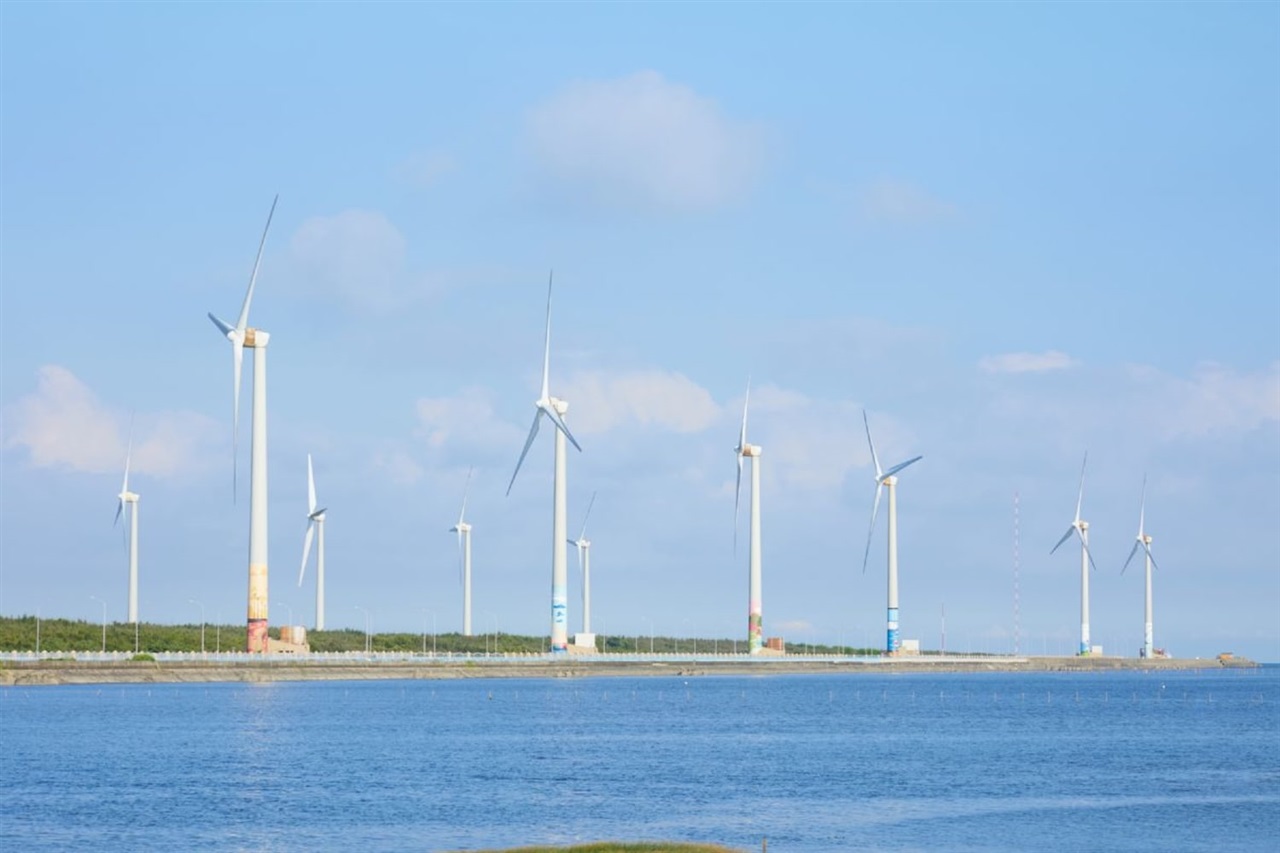
Taiwan’s chip industry is under growing pressure to secure more green electricity as major technology customers, including Apple and Google, tighten their net-zero requirements across the supply chain.
The shift is creating a new challenge for one of the world’s most important semiconductor hubs. Chip manufacturing is highly energy-intensive, and as global brands push toward carbon reduction goals, suppliers in Taiwan are being asked to prove that more of their operations are powered by renewable energy.
The pressure is moving through the supply chain in stages. Large end customers set climate targets first, then major foundries such as TSMC must align with those expectations. From there, the same requirements extend to upstream suppliers, including companies involved in materials, chemicals, packaging, testing, components, and equipment services.
For Taiwan’s semiconductor sector, access to stable and affordable renewable power is becoming just as important as advanced manufacturing capacity. Companies are no longer competing only on technology, yield rates, and production scale. They are also being measured by how quickly they can reduce emissions and secure long-term green electricity contracts.
This creates a difficult balancing act. Taiwan’s chipmakers need enormous amounts of electricity to support advanced process technologies, data-driven manufacturing, and expanding production lines. At the same time, the available supply of renewable energy remains limited compared with the fast-rising demand from global electronics and semiconductor customers.
Apple and Google have been among the companies pushing suppliers to adopt cleaner energy as part of broader carbon neutrality plans. Their influence matters because many Taiwanese semiconductor firms are deeply connected to global consumer electronics, cloud infrastructure, artificial intelligence hardware, and high-performance computing markets.
As a result, green energy procurement is becoming a strategic priority across Taiwan’s technology ecosystem. Suppliers that can secure renewable electricity may gain an advantage when competing for orders from global brands with strict environmental standards. Those that fall behind could face greater scrutiny, higher compliance costs, or reduced competitiveness in future supply agreements.
The issue also highlights a broader transformation in the semiconductor industry. Advanced chips are essential for smartphones, electric vehicles, AI servers, data centers, and next-generation computing. However, producing those chips requires massive power consumption, making sustainability a central concern for customers, investors, and governments.
For TSMC and other key players in Taiwan, meeting climate expectations will likely require a combination of renewable energy purchases, power-saving production improvements, carbon management systems, and closer cooperation with suppliers. Smaller companies in the supply chain may face the toughest burden because they often have fewer resources to negotiate green power deals or upgrade facilities.
The demand for clean electricity could also influence future investment decisions. Semiconductor companies may increasingly consider energy availability, renewable infrastructure, and carbon regulations when choosing where to expand production. This means energy policy and industrial policy are becoming more closely linked than ever.
Taiwan remains a critical center of global chip production, but the race to secure green power is becoming a major test for the island’s semiconductor supply chain. As Apple, Google, and other global customers raise their sustainability expectations, suppliers will need to adapt quickly.
The next phase of semiconductor competition will not be defined only by smaller nodes and faster chips. It will also depend on which companies can manufacture advanced technology while meeting the world’s rising demand for cleaner, lower-carbon production.