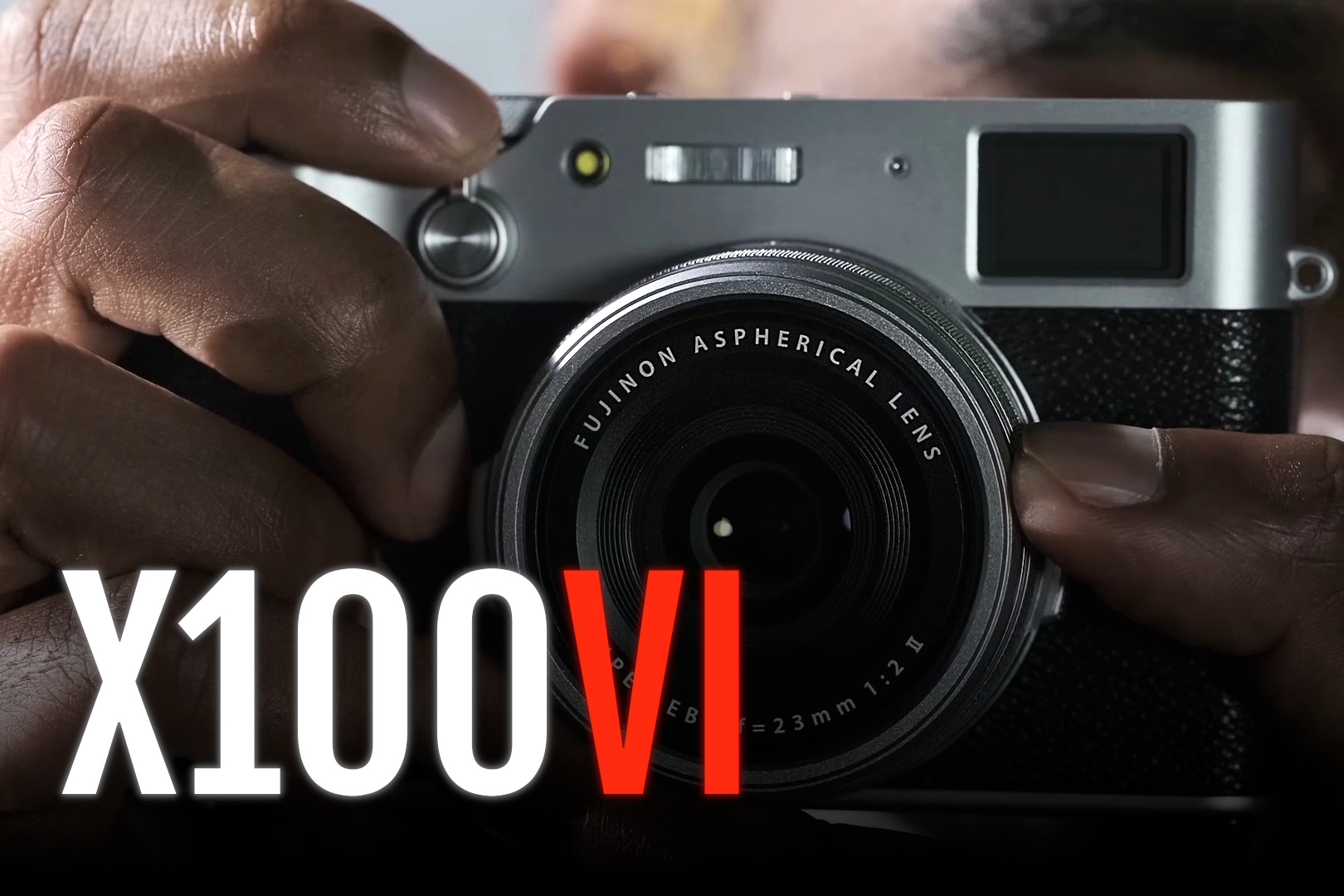
Photography enthusiasts have eagerly been tracking the developments surrounding Fujifilm’s X100V, a crowd favorite for its exceptional features and design. Now, it seems that the next iteration, the Fujifilm X100VI, is about to make its debut, generating palpable excitement. The cessation of sales for the X100V at Japanese retailers, as reported by sources like Fuji Rumors, has reinforced the speculation that the new model will premiere in the first quarter of 2024.
Consumers with pending orders for the X100V from these Japanese stores face abrupt cancellations, leaving them the choice of seeking out other vendors or turning to the secondhand market if they still wish to purchase the X100V.
The upcoming Fujifilm X100VI is widely anticipated to be fitted with a 40 MP X-Trans CMOS 5 sensor, identical to the one used in the Fujifilm X-T5. Technological advancements may also bring a spanking new processor to the table. Although initial hopes were for an upgraded lens or in-body image stabilization (IBIS), rumors currently indicate the carryover of the beloved 23 mm f/2 lens from the X100V.
The decision to reuse the lens seems logical, given its acclaim in the X100V. However, compared to competitors such as the Ricoh GR III, which boasts optical image stabilization, the X100VI could miss out unless it introduces sensor-shift IBIS—which remains a possibility independent of the sensor being used.
The official unveiling of the Fujifilm X100VI is projected to occur during the anticipated X Summit event scheduled for February 20. At this moment, Fujifilm has largely succeeded in keeping the camera’s full specifications a secret. Nevertheless, the photography world is abuzz with anticipation for what promises to be a significant upgrade in Fujifilm’s camera lineup.
Authored by Julian van der Merwe, who has contributed over 545 articles to Notebookcheck since 2022, he brings a wealth of knowledge and a passionate perspective on technology. Van der Merwe’s tech journey began in high school and has evolved tremendously, influencing his choice to study product design. His philosophy is that technology should enhance the lives of its users, and his expertise spans across laptops, smartphones, software, and tech trends.