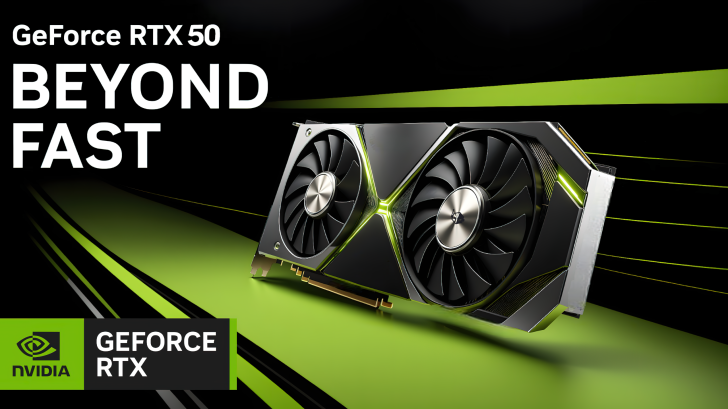
The world of gaming GPUs is buzzing with anticipation for NVIDIA’s upcoming generation of graphics cards. The NVIDIA GeForce RTX 5090 and RTX 5080, part of the “Blackwell” series, are tentatively slated for release in the fourth quarter of 2024. As NVIDIA continues to innovate and dive deeper into the AI sector, its new line of GPUs is expected to reshape the high-end gaming market.
At the dawn of 2024, NVIDIA introduced the GeForce RTX 40 “SUPER” series, which raised the bar with its improved performance in the Ada Lovelace architecture-based GPUs. Following that success, NVIDIA is poised to make strides with the Blackwell architecture in its forthcoming RTX 50 series cards. Although Blackwell architecture has primarily been rooted in AI and high-performance computing to date, it’s been confirmed that it will also be powering the next-gen RTX graphics cards, promising cutting-edge gaming experiences.
The launch plan indicates that NVIDIA will prioritize its high-end models, with the GeForce RTX 5090 expected to lead the pack, followed by the RTX 5080. The release of these advanced GPUs is likely to benefit board partners by enhancing their product offerings and potentially fostering growth in their shipments. Market insiders anticipate that the new GPUs could trigger a notable escalation in the average selling price of graphics cards, as gamers look to upgrade to more powerful and sophisticated options.
The NVIDIA Blackwell GPUs are reportedly incorporating two flagship dies, designated GB202 and GB203. The GB202 die is anticipated to be the backbone of the GeForce RTX 5090, with the GB203 poised to equip the RTX 5080. It is rumored that the two dies will differ significantly in size, with the latter representing a scaled-down version of the GB202. Both are expected to feature the latest GDDR7 memory interface, supporting a wide range of memory configurations across different SKUs, offering maximum bandwidths from 448 GB/s to an impressive 1792 GB/s.
This progression follows NVIDIA’s previous launch patterns, with the significant updates of Ampere and Ada Lovelace architectures also occurring towards the end of the third or beginning of the fourth quarters in past years. While the proposed Q4 2024 release window seems consistent with these past releases, it’s subject to change based on market dynamics.
The table below outlines the various generations of NVIDIA GeForce GPUs, highlighting their respective process nodes and launch years, from Pascal to the upcoming Blackwell series:
Each generation includes a range of SKUs fulfilling different market segments from ultra-enthusiast to entry-level graphics cards.
As anticipation grows for the next-gen RTX 50 series, the gaming community eagerly awaits further announcements that will illuminate the specific features and capabilities of these future powerhouse GPUs. Enthusiasts and gamers alike are looking forward to seeing how NVIDIA will once again push the boundaries of gaming graphics technology with the launch of this line.
With continuous innovation and a market awaiting the next big leap, the RTX 5090 and 5080 GPUs are undoubtedly one of the most highly awaited technological developments in the gaming industry for the near future.