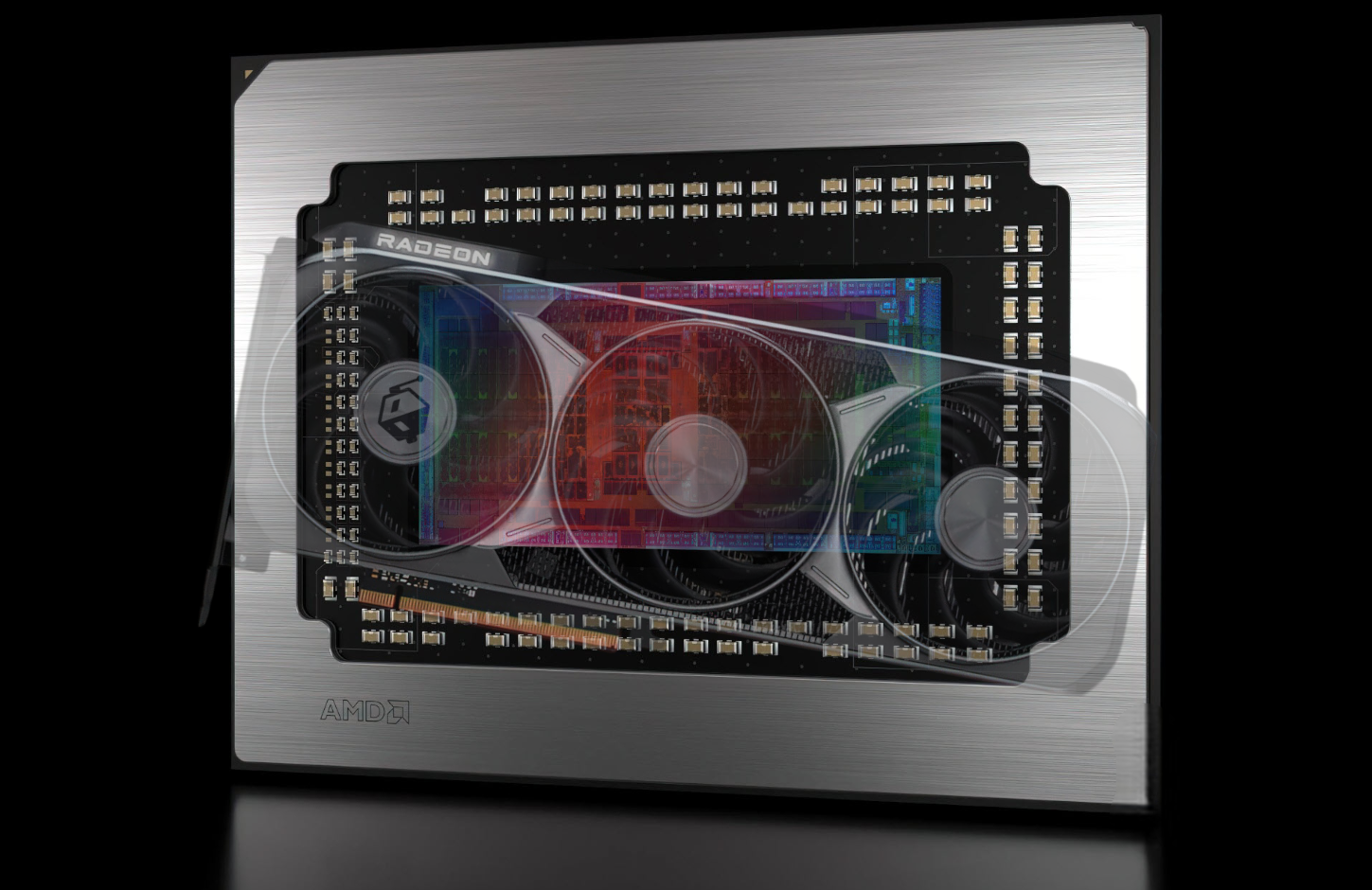
Fresh rumors suggest AMD’s next major graphics architecture, RDNA 5, could still deliver a true Radeon gaming flagship—though if it happens, it may arrive as a limited-release product rather than a widely available, high-volume launch.
RDNA 5 is widely expected to land around 2027, and details about the eventual Radeon lineup remain murky. Even so, new chatter points to AMD’s top RDNA 5 GPU, reportedly codenamed AT0, potentially making it to consumers in a gaming-focused Radeon graphics card. The big caveat is availability: the claim is that it could launch in limited quantities, similar to how Radeon VII appeared—an enthusiast-friendly product that didn’t stick around long and wasn’t produced in massive volume.
There’s also conflicting noise in the rumor mill about the AT0 flagship being canceled. At this stage, nothing is confirmed, and it’s still too early to treat any single claim as settled fact. AMD hasn’t publicly detailed RDNA 5 plans, and next-generation product roadmaps can change multiple times before launch.
Another theme that keeps coming up is pricing and positioning. Several reports suggest AMD may avoid the ultra-premium $2,000+ graphics card tier where NVIDIA traditionally places its most expensive halo products. If that strategy holds, even a powerful RDNA 5 card might be aimed more at “high-end enthusiast” rather than “no-compromises, money-no-object” pricing.
AMD’s recent approach helps explain why this is such a big deal for PC gaming fans. The company’s last major enthusiast-class Radeon was the Radeon RX 7900 XTX back in 2022. RDNA 3 didn’t land the way many hoped, and AMD’s RDNA 4 strategy appeared more focused: a more grounded flagship tier designed around strong performance-per-dollar. The Radeon RX 9070 XT has been framed as the top RDNA 4 gaming option, and it’s been competitive with similarly positioned rivals—though real-world pricing can fluctuate above its original target.
If AMD does bring an enthusiast-grade Radeon to market using the rumored RDNA 5 AT0 silicon—and if that chip really scales up to around 96 compute units—it would signal a serious attempt to re-enter a top performance tier in a market that’s been heavily dominated at the very high end. If a limited flagship doesn’t happen, the more likely outcome may be a “tier above” today’s upper-midrange pricing—something positioned roughly in the $700 to $1,000 zone rather than chasing extreme prices.
The circulating configuration talk for RDNA 5 also hints at a broad spread of options, from a potential flagship-tier part down through mid-range and entry-level designs, with varying compute unit counts, memory bus widths, and VRAM capacities. As always with early specs, these numbers should be treated as tentative until real products are announced.
In the nearer term, expectations are muted for big gaming GPU launches. Ongoing memory supply and pricing pressures have complicated timelines across the industry, and multiple next-gen or refresh products rumored for 2026 have reportedly faced delays. On Intel’s side, the most powerful Battlemage silicon is expected to lean more toward professional use, while talk of a gamer-focused release at the top end has cooled.
All of that makes the next wave of desktop CPUs especially interesting, with major releases anticipated later in the year as both Intel and AMD prepare their next-generation consumer processor plans.
For gamers watching the GPU space, the big question remains: does AMD turn RDNA 5 into a widely available Radeon flagship generation, or does it test the waters with a limited-run enthusiast card that’s difficult to find? Either way, RDNA 5 is already shaping up to be one of the most closely watched future Radeon releases.