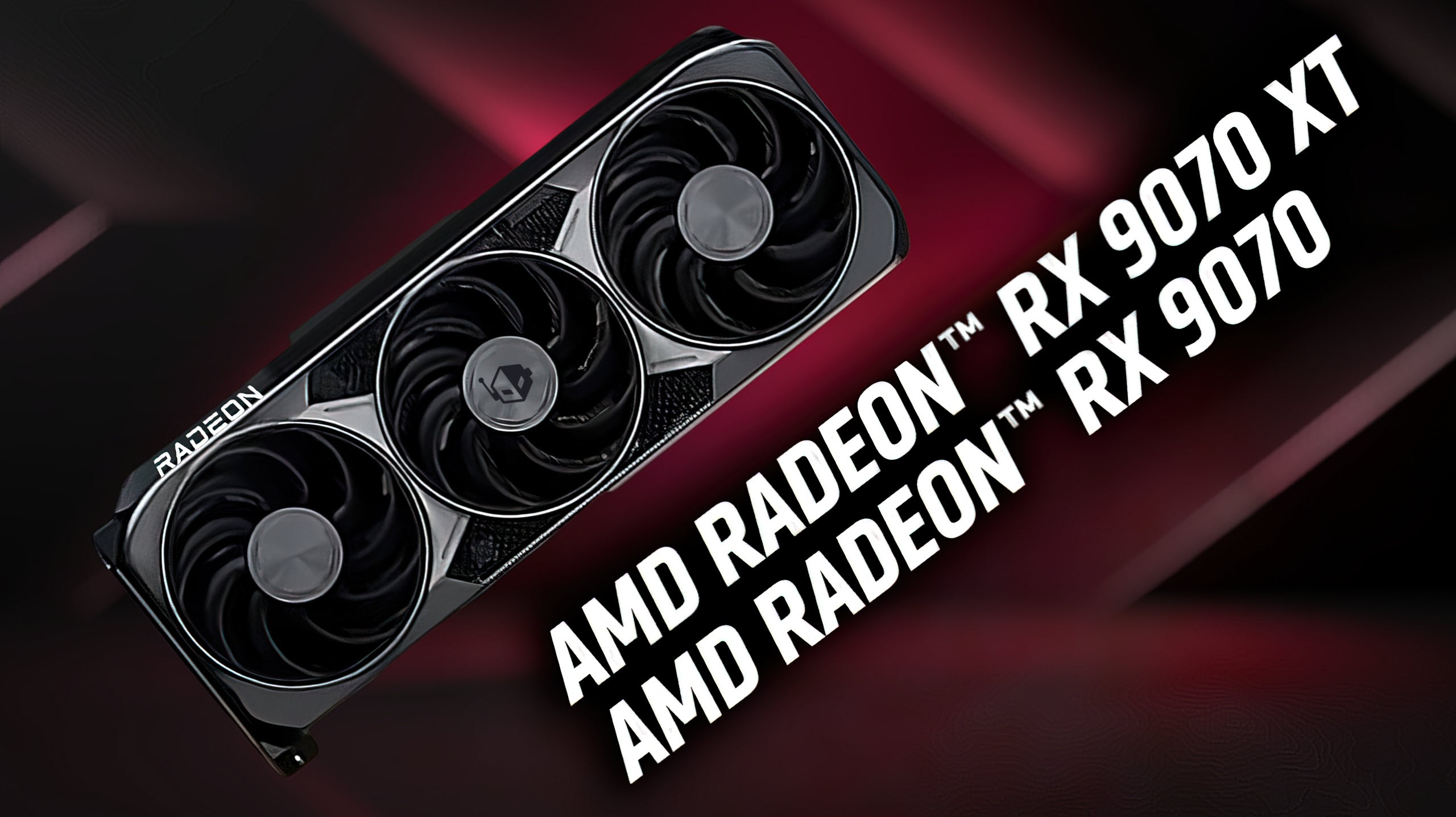
AMD is once again preparing to raise graphics card prices, and this time the reason is familiar: memory is getting more expensive. According to a new report, AMD has notified its board partners and suppliers that GPU pricing across its lineup is expected to increase by at least 10%, driven largely by rising DRAM and graphics memory costs.
This move could quickly undo the brief period of relief PC gamers have recently enjoyed. After weeks of inflated street pricing, AMD’s Radeon RX 9000 series had only just started to drift back toward its original MSRP levels, and some seasonal deals even pushed a few models below MSRP. If this new increase rolls through as expected, that “back to normal” pricing window may close fast.
Why memory prices are pushing GPU costs up
Modern consumer graphics cards rely on GDDR memory chips, and those chips are tied to the broader DRAM market. Even when the GPU silicon itself doesn’t change, shifts in memory pricing can significantly impact the total bill of materials for a graphics card.
Right now, the industry is dealing with a tight supply situation. The ongoing surge in AI-related demand is widely seen as a major factor, pulling huge amounts of memory capacity into data center and AI hardware. At the same time, reports suggest some memory suppliers have reduced output instead of expanding production, making availability even tighter and pricing even more volatile.
NVIDIA, AMD, and Intel all depend on graphics memory to ship consumer GPUs. While memory types may differ by generation, the pressure is industry-wide: higher memory costs tend to translate into higher graphics card prices at retail.
What a 10% AMD GPU price increase could mean for buyers
If AMD’s partners implement a 10%+ increase across the board, Radeon pricing could rise noticeably, especially on midrange and higher-end cards where memory configuration and overall component costs are substantial. For shoppers, that likely means:
1) Fewer Radeon RX 9000 series models available at MSRP
2) Higher day-to-day street prices even when supply looks “normal”
3) Discounts becoming less frequent or less aggressive, since the baseline cost is higher
4) Popular partner models from major add-in-board brands moving up in price first
The report indicates that well-known AMD board partners have already been informed, which suggests these changes could appear in listings and store pricing in the coming weeks rather than months.
If you’re planning a GPU upgrade soon, the key takeaway is timing. The recent dip toward MSRP may turn out to be temporary if memory pricing continues to climb and manufacturers pass those costs down the chain.
In the bigger picture, this is another reminder that GPU prices aren’t driven only by gaming demand or new product launches. Memory supply constraints, AI market pressure, and decisions by DRAM manufacturers can all ripple into the cost of graphics cards—even when the GPU generation itself hasn’t changed.