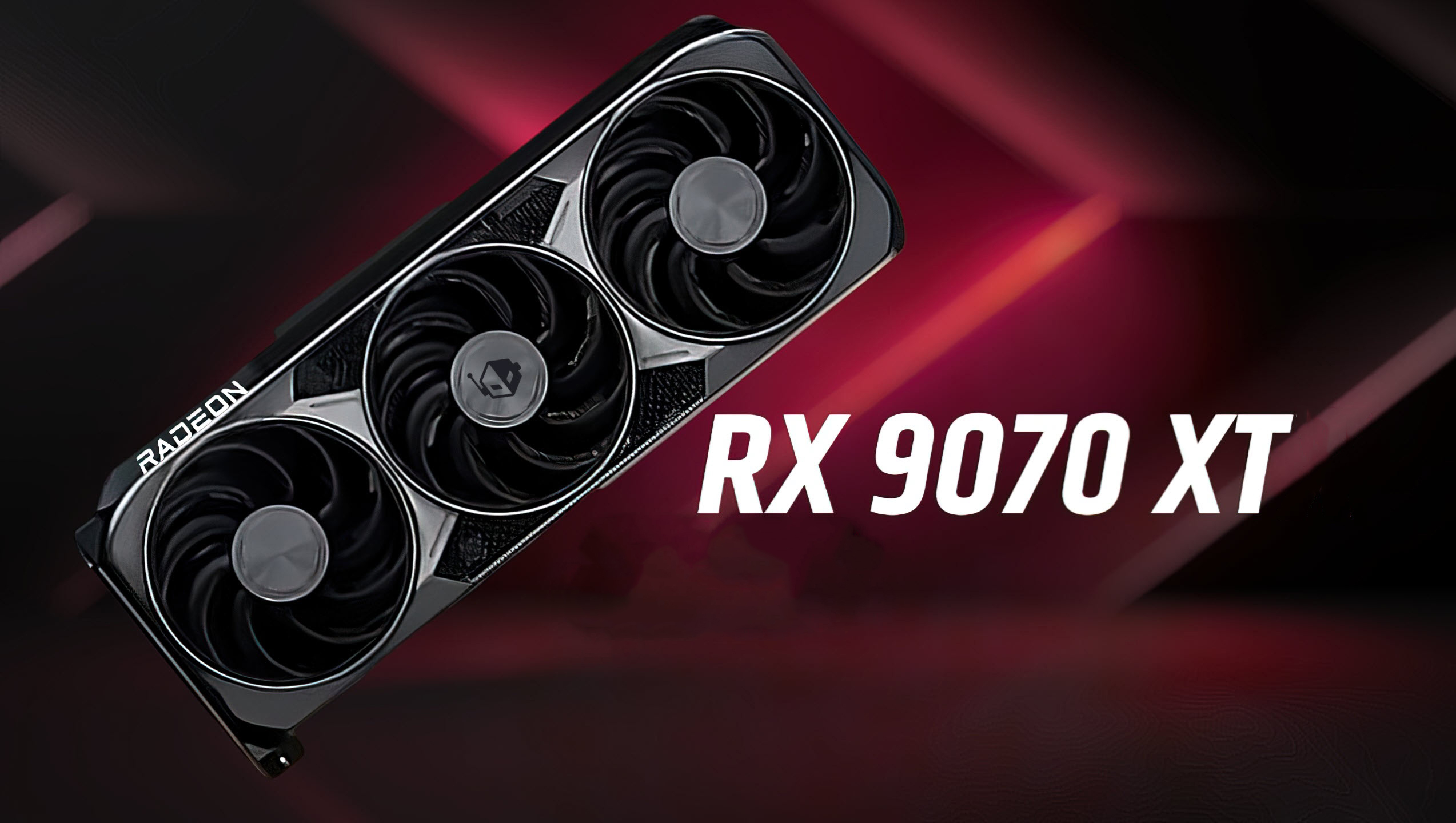
AMD’s RDNA 4 graphics card lineup could be heading toward a supply shake-up, and it all comes down to one expensive component: GDDR6 memory. With DRAM pricing and availability under pressure, GPU makers are increasingly forced to choose which models are easiest to keep on shelves without constantly reworking prices. A new report suggests AMD may be preparing to prioritize the Radeon RX 9070 XT over the standard Radeon RX 9070 for exactly that reason.
Over the past several months, pricing across modern graphics cards has been anything but stable. The Radeon RX 9070 XT, positioned as the flagship RDNA 4 option, reportedly took a long time to reach its official MSRP—and once it did, it didn’t stay there. As memory costs climbed and supply tightened, prices rose again, affecting the RX 9070 XT and other RDNA 4 GPUs.
One major factor driving demand is VRAM capacity. In AMD’s current RDNA 4 stack, multiple models feature 16GB of GDDR6, a spec many PC gamers actively seek out for higher-resolution gaming, heavier textures, and better longevity. The problem is that 16GB cards cost more to build when memory prices spike, making it harder for manufacturers to keep these models at their original price points.
According to the report, AMD’s Radeon RX 9070 is a tougher card to manage under these conditions. While it may have reached MSRP earlier than the RX 9070 XT, that also means there’s less room to adjust pricing upward without the increase being immediately noticeable to shoppers. By contrast, the Radeon RX 9070 XT has often been sold at higher real-world prices, roughly in the $650 to $800 range, which makes pricing flexibility easier when memory gets more expensive. In other words, if costs rise, it’s simpler to “hide” those increases in a product that already sits higher on the price ladder.
That’s why AMD is reportedly shifting more production focus toward the Radeon RX 9070 XT rather than the non-XT model. The report does not claim that the RX 9070 will be discontinued, but it suggests supply may increasingly lean toward the XT version—potentially leaving fewer standard RX 9070 cards available over time.
There’s also another important piece to this puzzle: the Radeon RX 9060 XT 16GB. The report notes that this model doesn’t have a direct substitute in the current lineup, which could make it and the RX 9070 XT especially important for AMD to keep producing. If consumers specifically want 16GB VRAM at different performance tiers, AMD may not have many alternatives to meet that demand without those two cards.
AMD has previously indicated it will try to keep costs down where possible, but the market reality is harsh: when component costs rise, product strategies usually shift toward the models that protect margins and require fewer awkward price corrections.
For buyers, the takeaway is simple. If you’re shopping RDNA 4 and specifically want a Radeon RX 9070 (non-XT), availability could become more limited if this reported production strategy plays out. Meanwhile, the Radeon RX 9070 XT may become the more common option on store shelves—though not necessarily the most affordable one.